

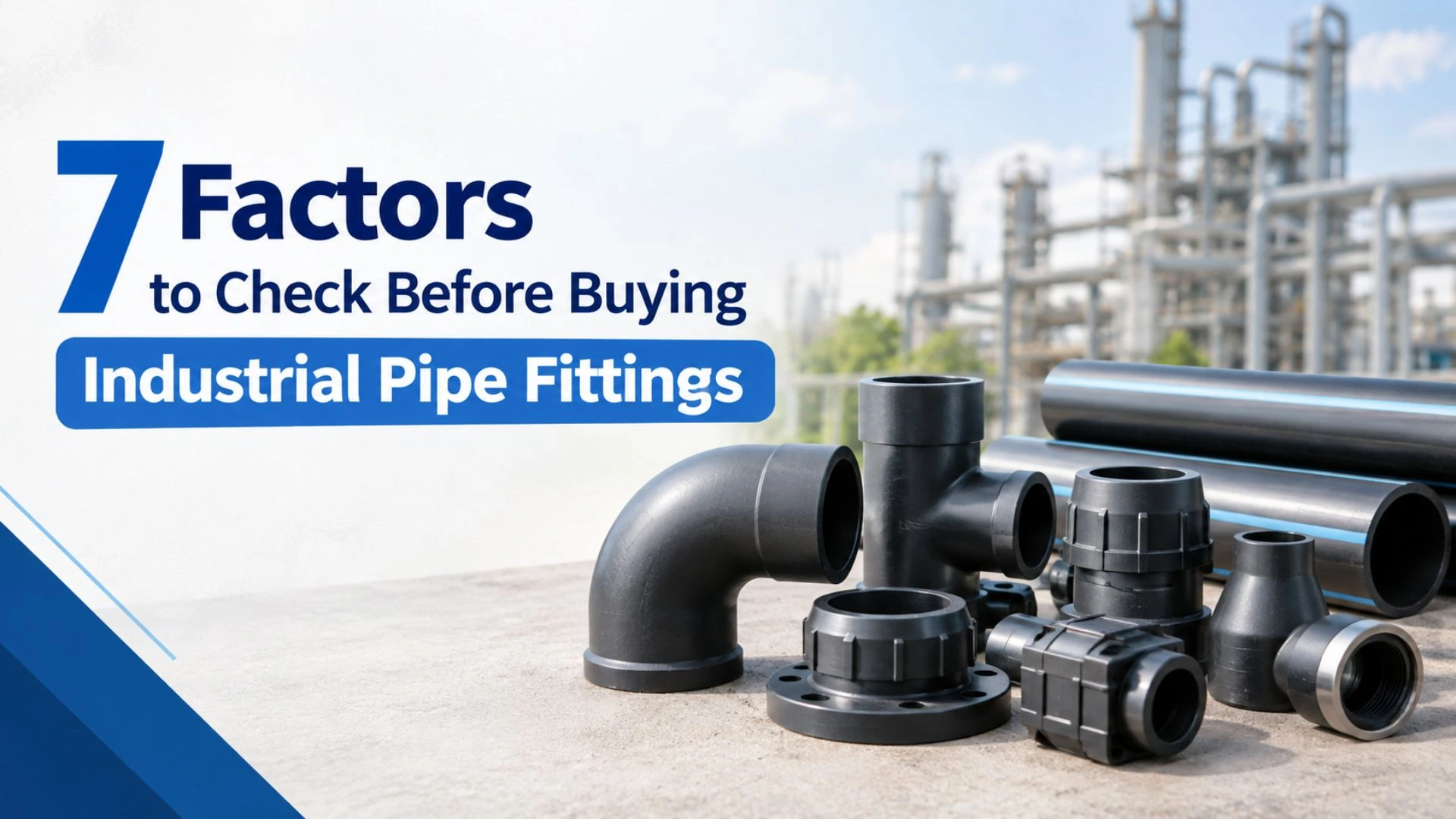
A fitting accounts for maybe two percent of what a pipeline costs. It causes most of what goes wrong with one.I’ve seen how this plays out. A chemical unit lost four days of production because a 90° elbow on a 40°C caustic line was bought on price against a spec written for ambient water. The pipe was fine. The joint wasn’t.Buying industrial pipe fittings well isn’t complicated, but it is specific. Seven things to check before the purchase order goes out.
Quick answer
Before buying industrial pipe fittings, verify: material grade against the actual fluid, pressure rating at operating temperature rather than ambient, the dimensional standard and jointing method, test certificates and batch traceability, the manufacturer’s in-house capability, resistance to the installed environment, and total delivered cost.
1. Match the material to the fluid -not to the budget
Material is the decision every other decision inherits. Get it wrong and no wall thickness saves the line.
| Material | Works well for | Avoid when |
| HDPE (PE 100) | Water, slurry, effluent, buried lines | Sustained service above 60°C; hydrocarbons |
| Carbon steel (A234 WPB) | Steam, compressed air, oil, utilities | Aggressive chemicals without lining |
| SS 304 | Food, dairy, pharma, potable water | Chlorides -pitting starts fast |
| SS 316 | Chlorides, offshore, acid service | Where 304 would do, on cost grounds |
| PP / PVDF | Acids, plating lines, DM water | High-pressure or impact-loaded runs |
The chloride line is where substitutions go wrong. A 304 fitting looks identical to a 316 one and costs less, which is exactly why it ends up in coastal and brine service. The molybdenum in 316 resists pitting, and there is no visual substitute for it.
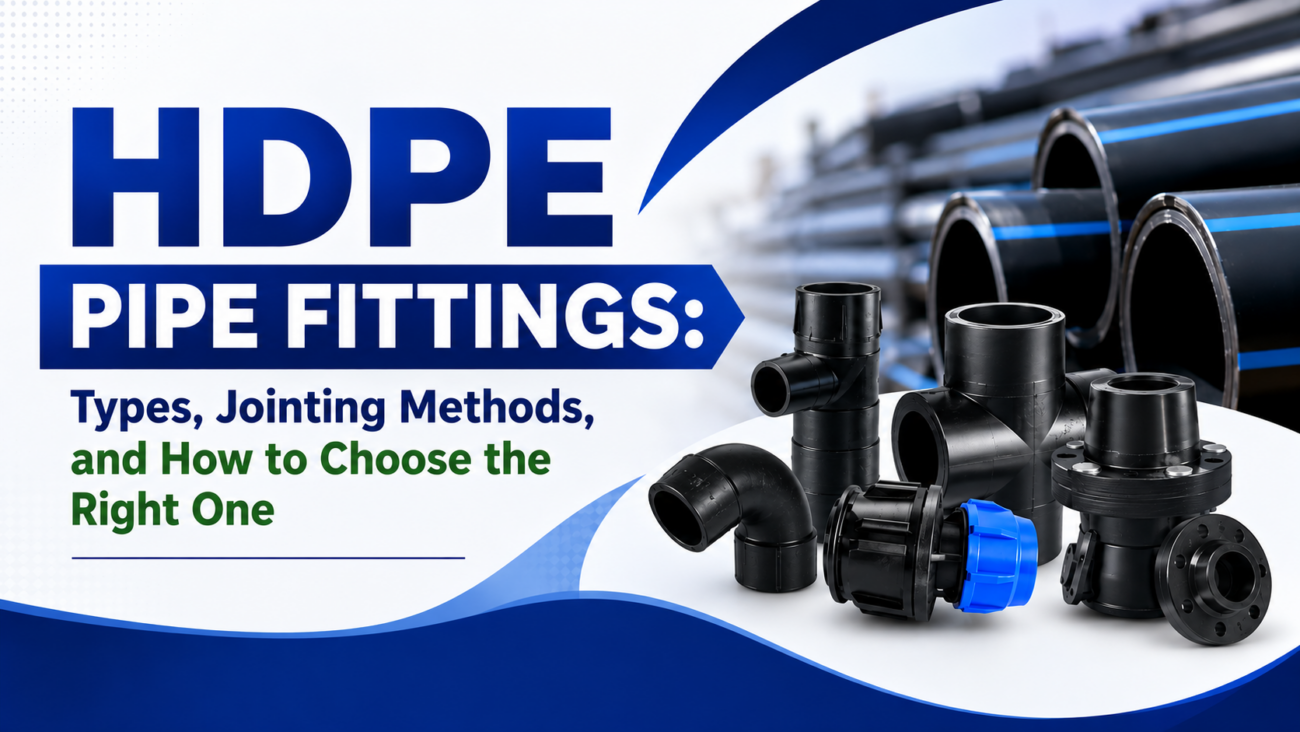
For HDPE pipe fittings for industrial use, grade marking matters as much. PE 100 carries a 10 MPa design stress against PE 80’s 8 MPa -about 25% more pressure capacity in the same wall. If the body is unmarked, assume the lower grade.
2. Read the pressure rating at your temperature
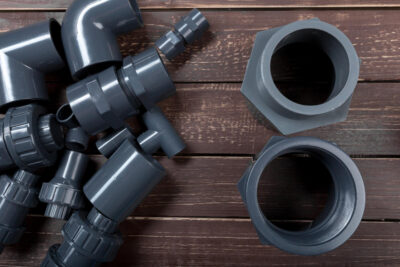
Image Source-Freepik
Every catalogue rating is quoted at 20°C. Plants don’t run at 20°C.For industrial HDPE pipe fittings, pressure class comes from the SDR -outside diameter divided by wall thickness:
| SDR (PE 100) | Rating at 20°C | Approx. at 40°C |
| SDR 17 | PN 10 | ~PN 6.3 |
| SDR 13.6 | PN 12.5 | ~PN 8 |
| SDR 11 | PN 16 | ~PN 10 |
| SDR 9 | PN 20 | ~PN 12.5 |
Polyethylene loses roughly a third of its rated capacity between 20°C and 40°C -which explains a surprising share of field failures on effluent and process-water lines that run warm.Metal is not exempt. Forged steel fittings are sold as Class 3000, 6000 and 9000, and those numbers tie to a pipe schedule: Class 3000 socket weld matches Sch 80, not Sch 40. For high pressure pipe fittings, confirm the rating covers the body and the end connection -threaded ends often derate the assembly below the body’s capability.
3. Confirm the dimensional standard and the jointing method
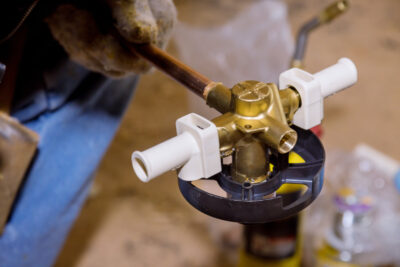
Image Source – Freepik
A fitting that doesn’t mate is scrap, however good it is. Ask which standard it is built to, in writing: IS 4984 and IS 8008 for moulded HDPE, IS 8360 for fabricated HDPE, ISO 4427 or EN 12201 for export work, ASME B16.9 for butt-weld metal fittings, B16.11 for forged, B16.5 for flanges.
Then settle the joint:
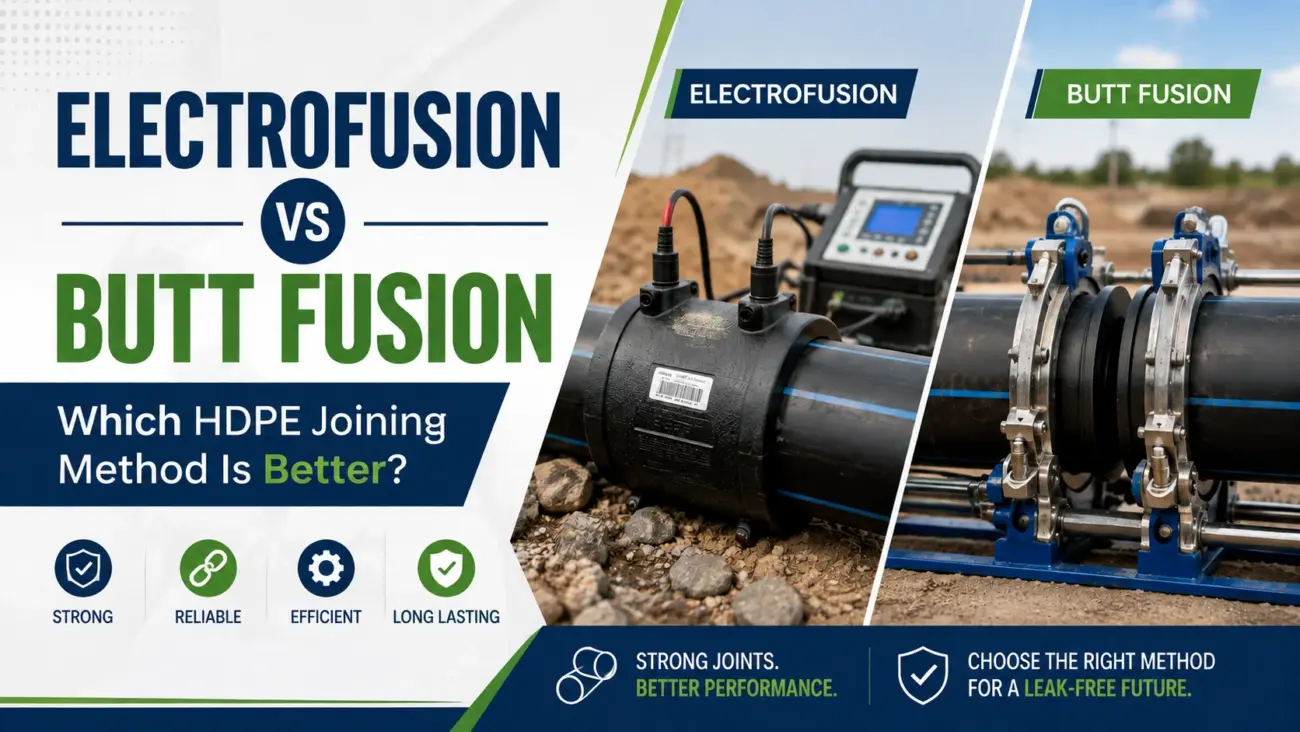
- Butt fusion -economical above 110 mm, needs a clean site and a trained operator
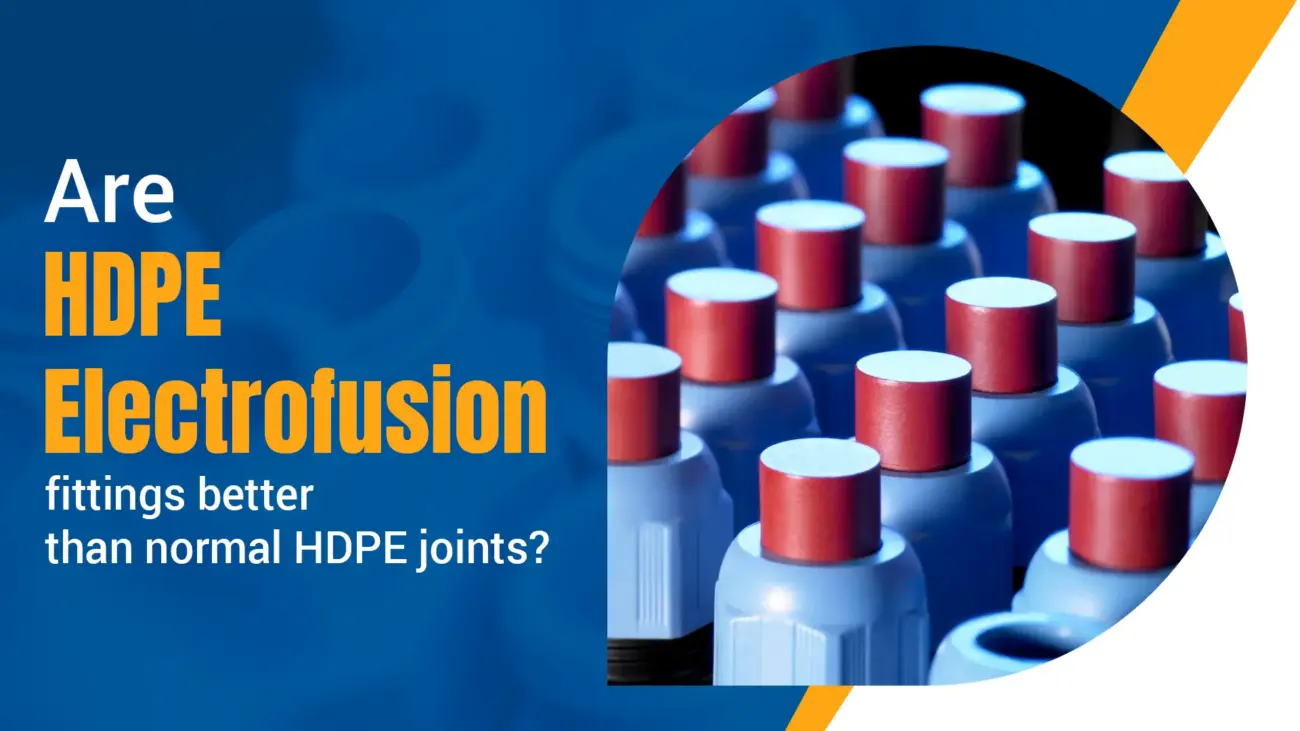
- Electrofusion -costlier per joint, far more forgiving, right for trenches and repairs
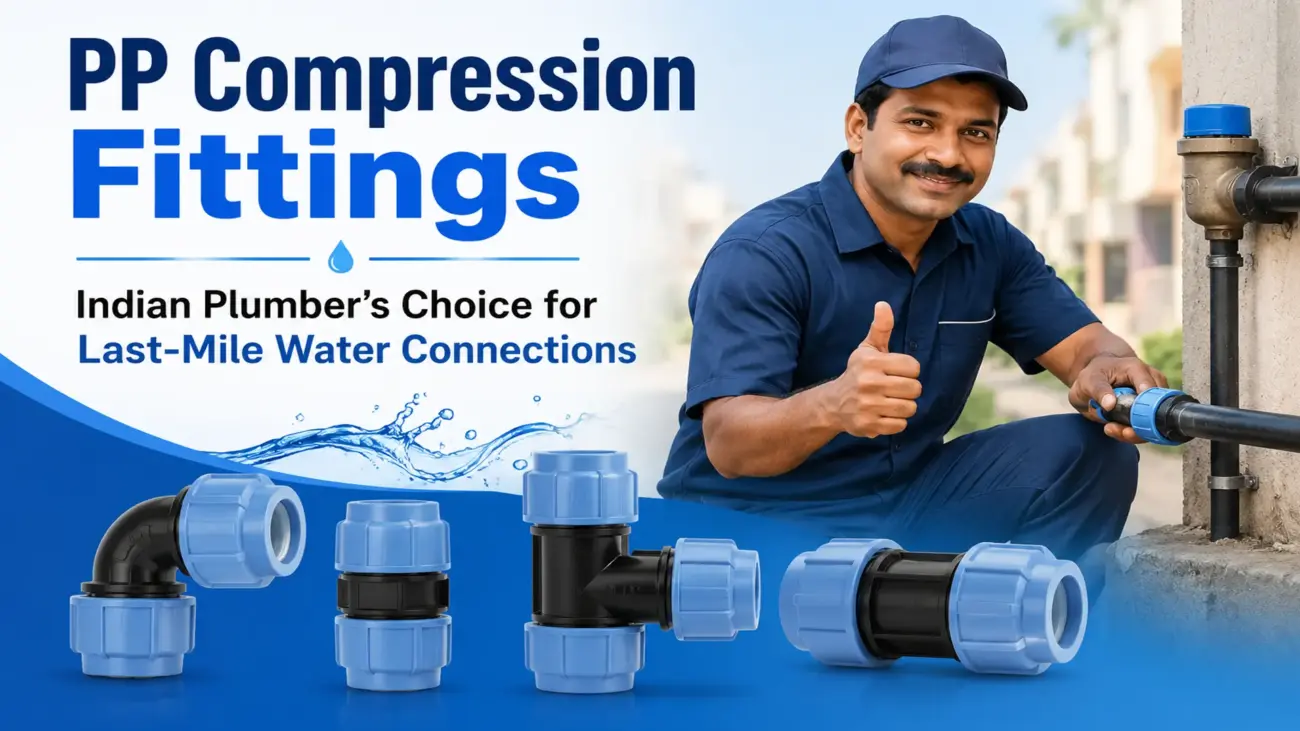
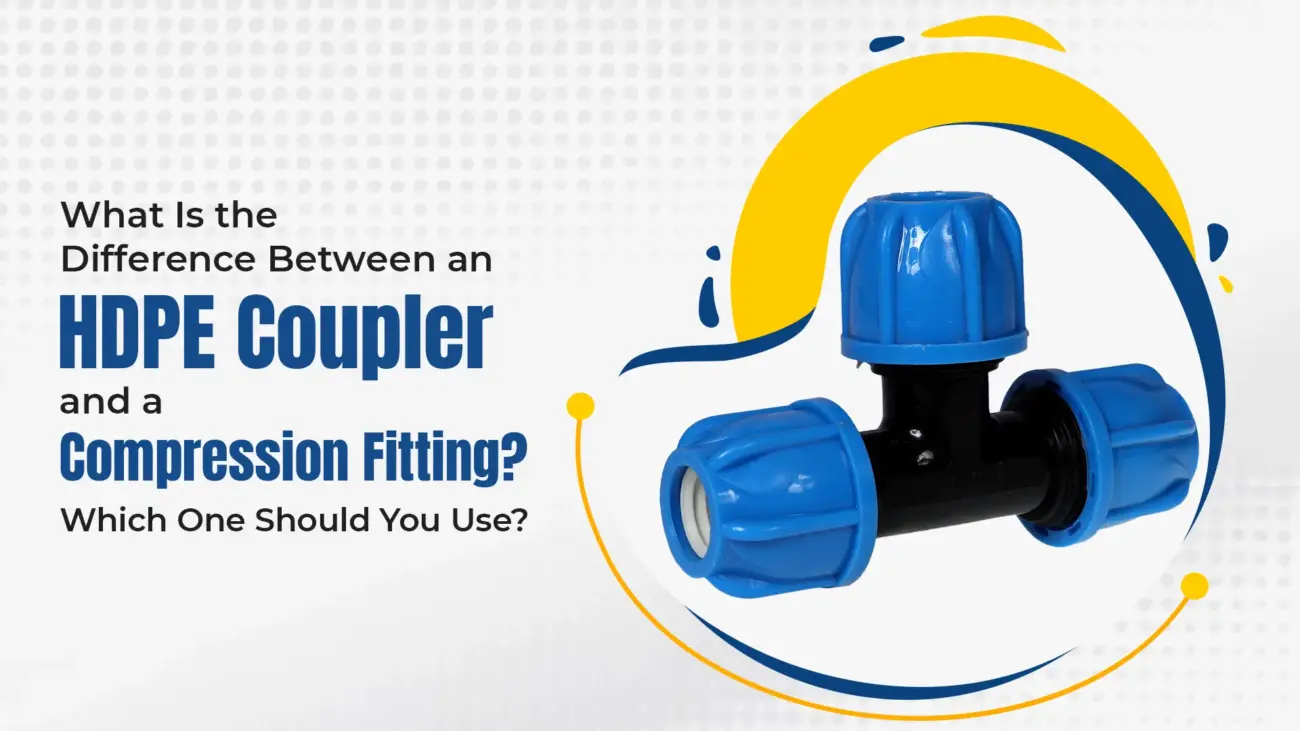
- Compression -fast and serviceable below 110 mm
- Flanged -wherever the line must be broken for maintenance
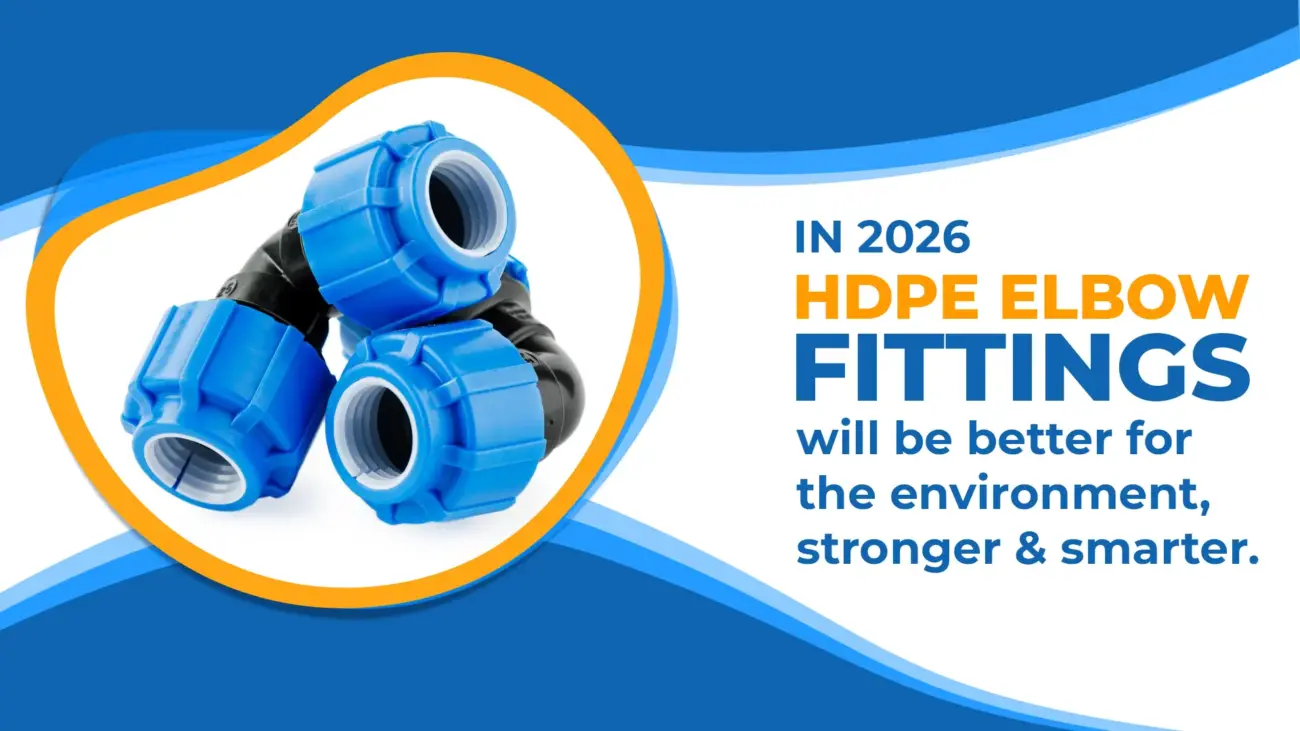
One practical check for fabricated HDPE: segmented elbows made from mitred pipe sections carry a lower pressure rating than moulded ones of the same SDR. Suppliers rarely volunteer this. Ask.
4. Demand the paperwork -and read it
This is where a serious industrial pipe fitting manufacturer separates from a trader with a warehouse.
Insist on:
- Material test certificate, EN 10204 Type 3.1 for metals -against your heat number, not a generic PDF
- Hydrostatic test report -for PE, the 80°C / 165-hour test is what predicts 50-year life
- Batch and heat traceability marked on the fitting body, not only the carton
- ISO 9001, plus a BIS licence for Indian water-supply work
- Third-party inspection on critical lines -TPI costs little against a shutdown
Cross-check the certificate number with the issuing lab. Ten minutes, and it catches recycled documents.
5. Look past the catalogue at the plant behind it
Two suppliers can quote the same part number and deliver very different products.A capable industrial pipe fittings supplier will tell you without hesitation what they mould in-house versus buy in, what resin they use and from whom, and what their rejection rate is. Ask for the resin brand -reprocessed or blended material is the commonest cost-cutting move in HDPE, and it shows up as brittleness three years later, not on delivery day.A factory visit, or a video walkthrough of the moulding shop and test lab, tells you more than any brochure -not least whether the lab equipment is being used or displayed.
6. Check the environment the fitting will live in
The fluid inside is only half the service condition.Buried industrial pipeline fittings face soil chemistry, water table movement and traffic loading. Above ground they face UV, and unstabilised polyethylene chalks and cracks within a couple of years. Carbon black stabilisation of 2–2.5% prevents it, and belongs on the datasheet.Coastal plants should worry about external chloride attack on stainless as much as internal, and insulated metal lines fail through corrosion under insulation -which is why coating specification belongs in the fitting enquiry, not the insulation contractor’s.
7. Price the total cost, not the unit rate
Compare landed cost: unit price, freight, joints needed, installation labour, maintenance interval.An electrofusion coupler may cost three times a compression fitting and still win on a buried line, because it is the joint that doesn’t get dug up. Equally, durable industrial pipe fittings from a maker with a two-week lead time and a technical helpline beat a cheaper import arriving in nine weeks with nobody behind it. Ask what happens when one fails -a supplier who names a person and a response time is worth the premium.
FAQs
What is the most important factor when choosing pipe fittings for industrial applications?
Material compatibility with the process fluid, checked at operating temperature and pressure. Every other specification depends on it.
How long do HDPE fittings last?
Fifty years at rated pressure and 20°C, extrapolated from hydrostatic test data. Running warmer consumes that margin considerably faster.
Can I mix HDPE fittings from different manufacturers?
Only when SDR, PE grade and melt flow index are compatible. Matching nominal size is not enough -mismatched melt characteristics produce weak fusion joints.
What pressure rating should I specify?
Maximum operating pressure plus surge allowance, derated for temperature -typically a 1.25 to 1.5 factor over normal working pressure.
Is ISO 9001 enough to judge a supplier?
No. It certifies that a process is documented, not that a product performs. Pair it with product certification, test reports and third-party inspection.
Final word
Most fitting failures trace back to a decision made on a spreadsheet -a substitution, a rating read at the wrong temperature, a certificate nobody opened. These seven checks take an afternoon. The failure they prevent takes a shutdown. Specify properly, buy from someone who can show you their plant, and keep the paperwork.