

A water tank doesn’t need to be looked at very often until anything goes wrong. One day, it’s performing its job silently, and the next, you’re dealing with leaks, unusual smells, or even worse, dirty water. The truth is that every water tank has a limited life period, and ignoring early warning signs can lead to bigger, more expensive problems.
This tutorial will help you recognize the warning signs before things get out of hand if you’ve been confused whether to fix or replace your tank.
Why Your Water Tank Is More Important Than You Think
The water tank in your home or building is the most important part of its water storage system. It has an effect on more than only supply; it also impacts cleanliness, pressure, and the general efficiency of the plumbing.
A tank that isn’t working right doesn’t just waste water. It can hurt your health, break things, and put a lot of stress on connecting pipe connections and pipelines. That’s why it’s so important to find out early.
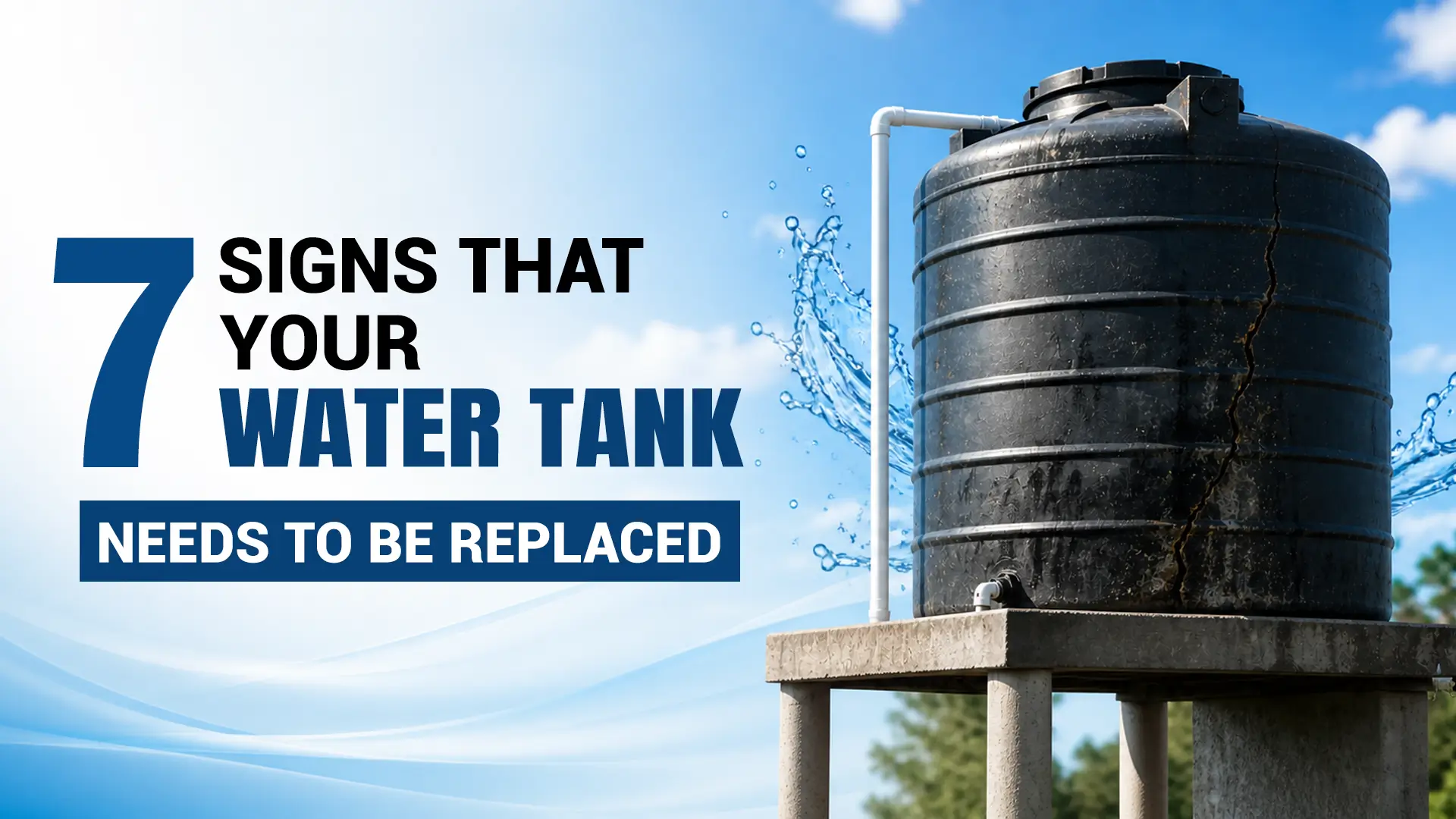
Seven Signs That You Should Get a New Water Tank
-
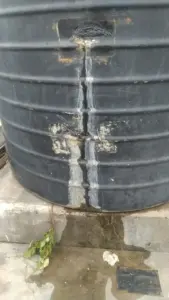
Cracks and leaks that you can see
At first, small cracks may not seem like a big deal, but they usually get bigger with time. The tank’s structure gets weaker when it is exposed to sunshine, pressure, and fluctuations in temperature all the time.
Watch for these signs:
- Wet spots around the tank
- Water that keeps pouring or pooling
- Water levels drop suddenly
Replacement is the better option if repairs are needed often.
-
Water that is dirty or discolored
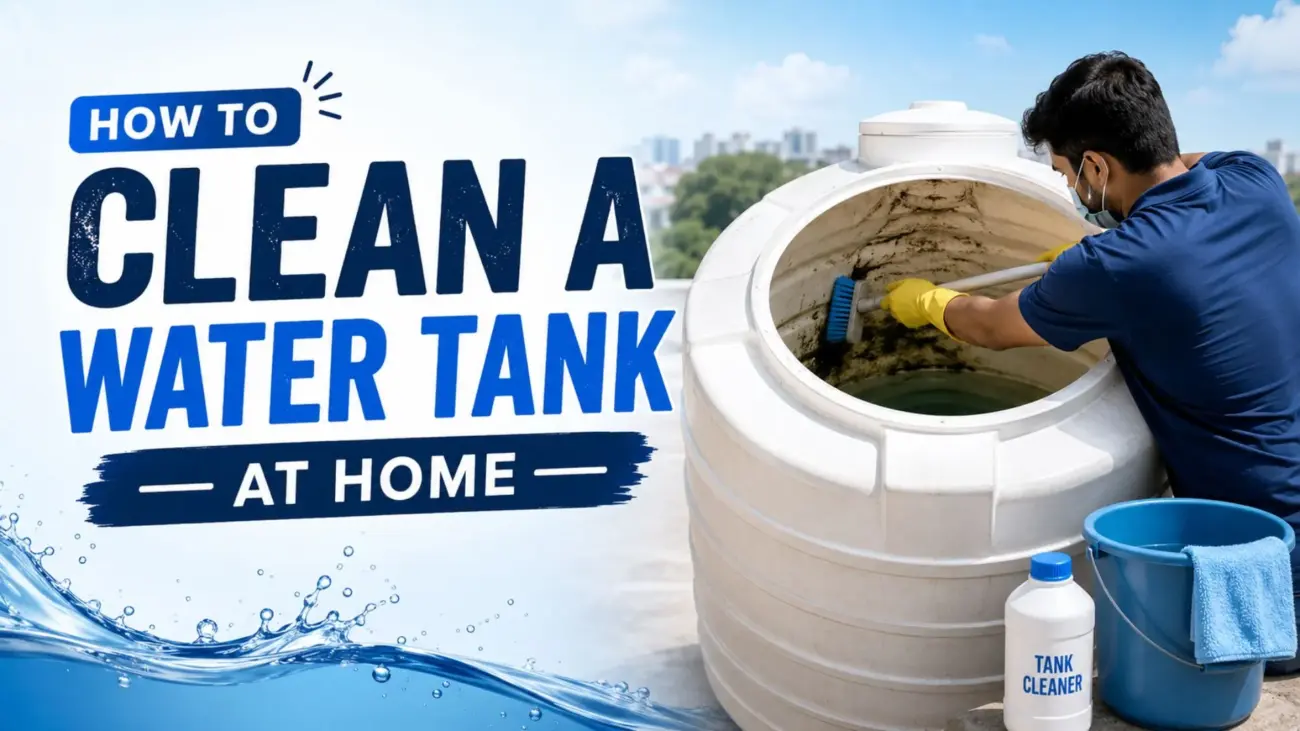
Your water tank could be to blame if your water looks dirty, rusty, or smells strange.
This frequently happens because of
- Degradation of internal materials
- Growth of bacteria
- Bad sealing
A clean tank is the first step to clean water. It’s time to update if the contamination doesn’t go away after cleaning.
-
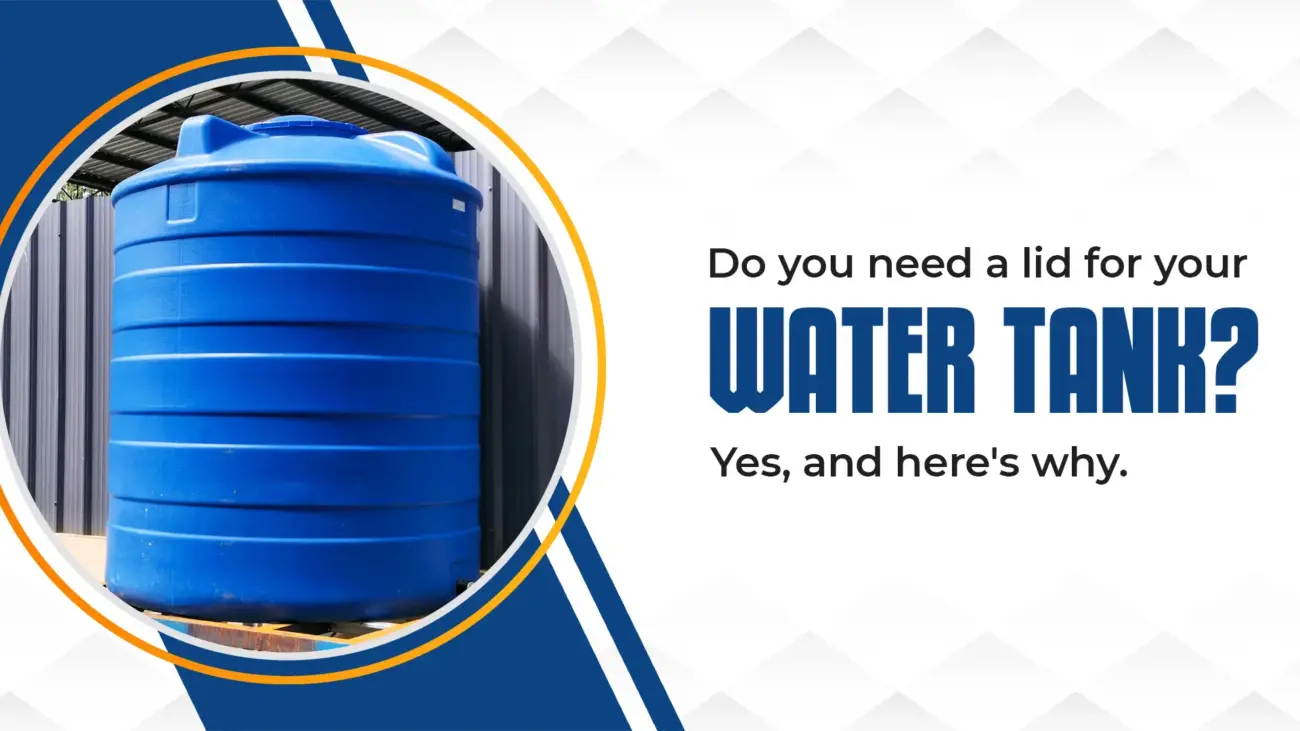
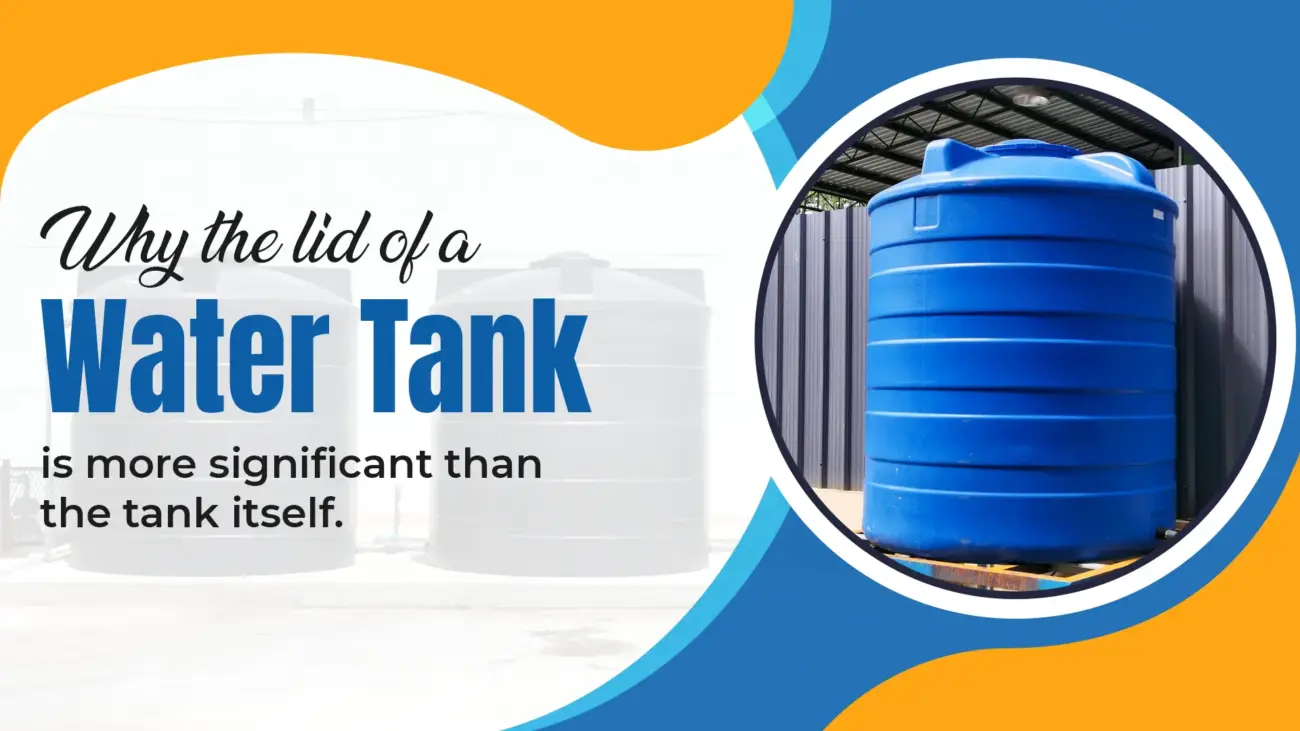
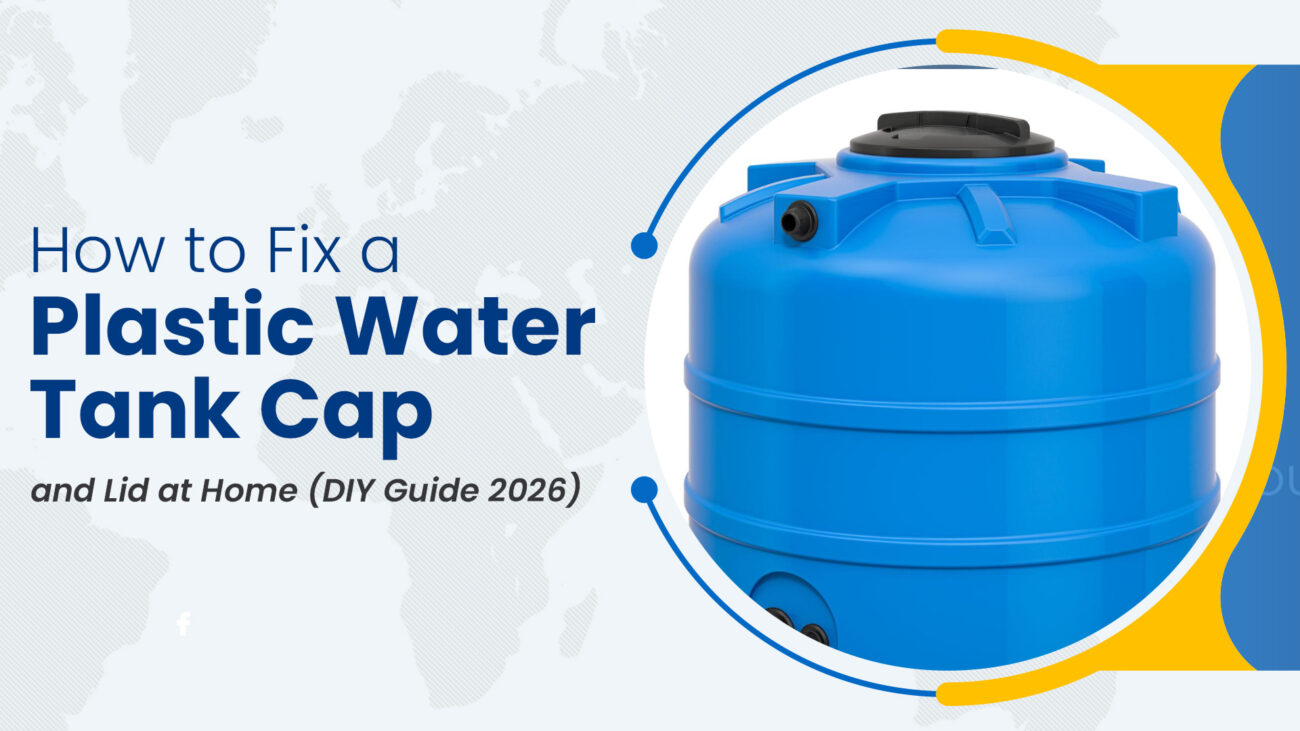
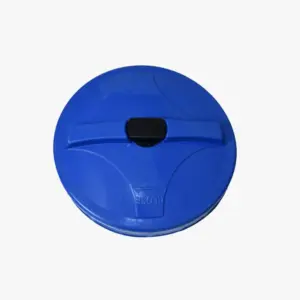
Broken lid or cap on the water tank
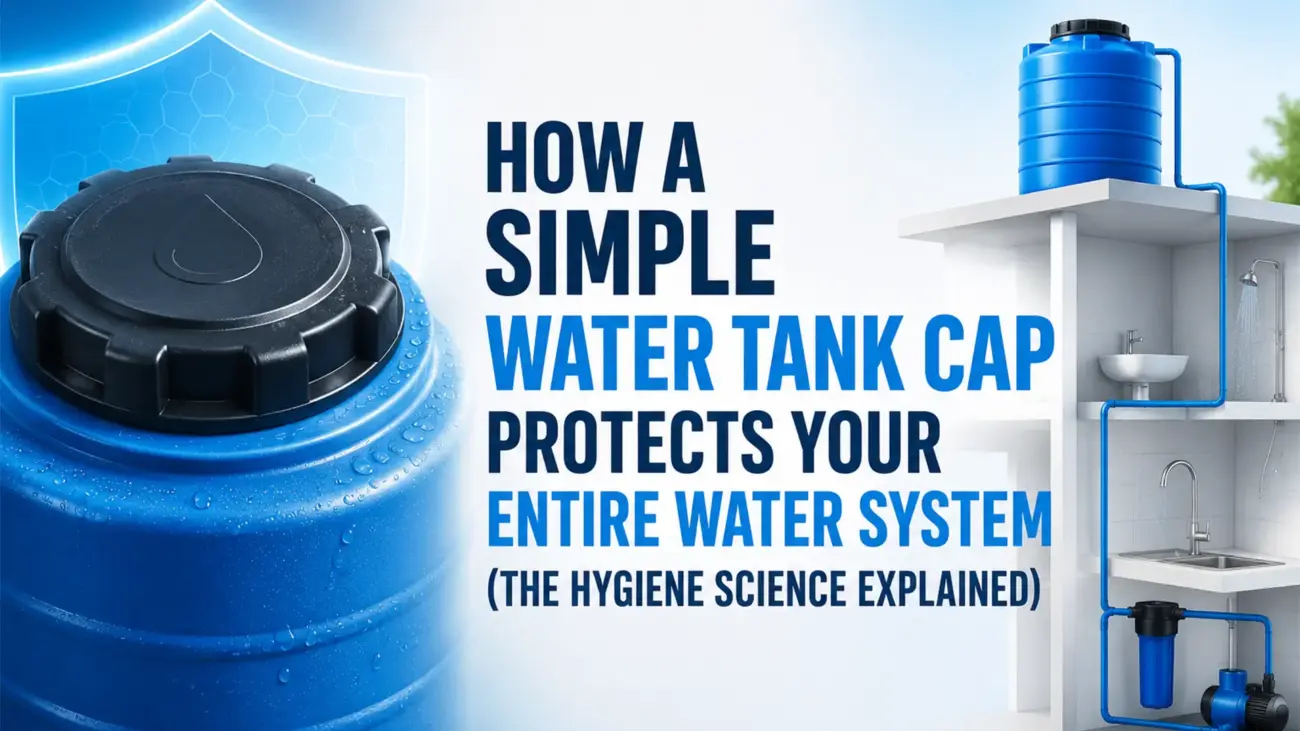
A water tank lid or top that is loose or broken is more than just a small problem. It lets dust, bugs, and trash into the tank, which makes the water less clean.
Some common problems are:
- Lids that are cracked
- Not sealing correctly
- Caps that are missing
If the tank’s structure is weak, replacing simply the cover might work for a while, but a full replacement is safer.
-
Repairs and upkeep that happen often
If you have to contact a plumber every few months, your tank is telling you something is wrong. Not only do repeated repairs cost money, but they also show that there are problems with the structure itself.
At some point, it costs less to replace the tank than to keep fixing it.
-
Rust, corrosion, or breaking down of the material
Metal tanks are more likely to rust than plastic tanks, which can become brittle with time.
Search for:
- Material that flakes
- Surfaces that have rust on them
- Weak points
Modern tanks, especially those made by good hdpe fittings manufacturers, last longer and are better able to handle stress from the environment.
-
Problems with the flow or pressure of water
A tank that is broken or blocked might stop water from flowing through your plumbing system. This often has an effect on taps, showers, and appliances that are linked.
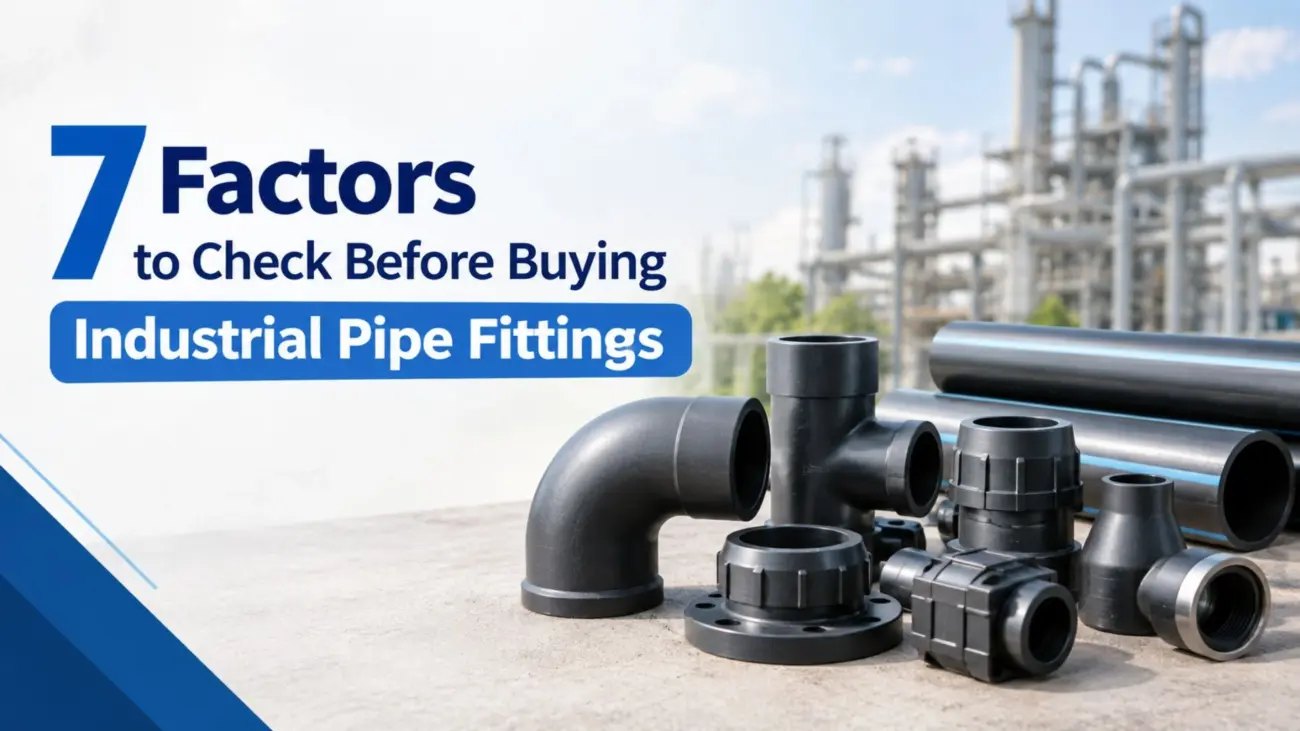
The problem isn’t always simply the tank; it might also be the worn out pipe fittings that are attached to it. Replacing both parts guarantees the best performance.
-
Old Age and Old Stuff
Your tank may appear good on the outside, but age is a silent factor. Depending on the material and how often they are used, most water tanks last between 10 and 15 years.
Tanks that are older:
- Lose strength in structure
- Become more likely to leak
- May not meet current safety standards
Getting a newer model will make things work better and be cleaner.
How Pipe Fittings Affect the Performance of Water Tanks
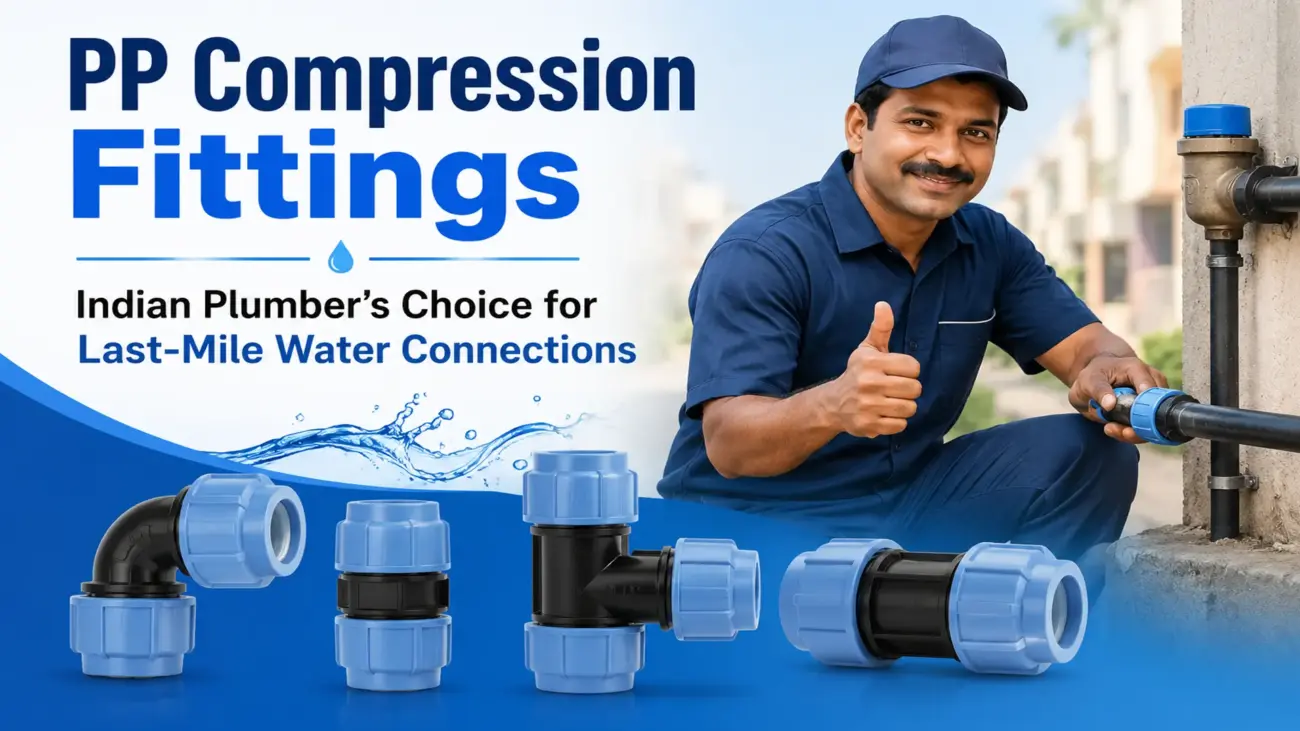
A water tank can’t work by itself. It operates via a network of pipe fittings that control the flow and pressure of water.
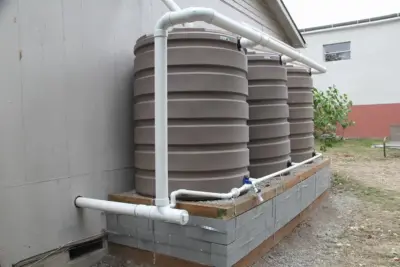
Bad fits can:
- Make leaks happen at connecting points
- Make the system less efficient
- More maintenance is needed
That’s why it’s important to use solid fittings from well known brands with your tank for long term functionality.
Why it’s important to pick the right maker
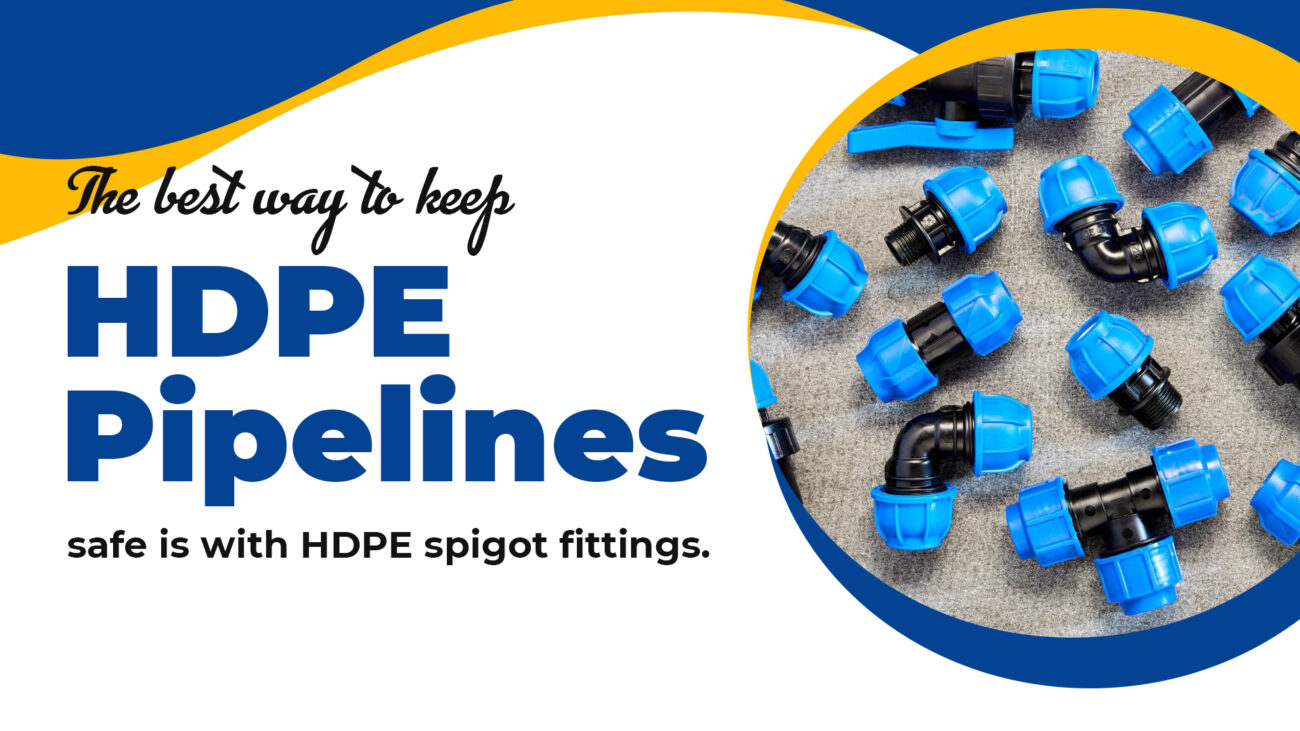
Different tanks are made in different ways. Reputable producers of hdpe fittings and tank suppliers put a lot of emphasis on safety, durability, and following industry requirements.
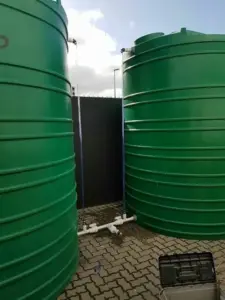
When you choose a new water tank, think about:
- Quality of the material (metal, plastic, or HDPE)
- Resistant to UV rays and the weather
- Works with contemporary pipe fittings
A excellent manufacturer makes sure that your investment lasts for years without needing to be fixed all the time.
When should you fix something instead of replacing it?
Here’s a quick way to make a choice:
Fix it if:
- The problem is little and only affects one area.
- It’s been a while since the tank was last used.
If you need to replace it,
- Several problems happen at the same time.
- The tank is more than ten years old.
- The quality of the water is always impacted.
Final thoughts
A water tank that is failing doesn’t usually fall apart overnight. It conveys signals, cracks, leaks, dirt, and wear. Seeing these early symptoms might help you avoid costly repairs and make sure your water supply is safe and dependable.
It’s time to think about getting a new tank if it shows two or more of these warning flags. To make a system that lasts, use high-quality pipe fittings, secure lids, and well known brands.
Get a new water tank today to make sure you have clean, safe water for years to come.