

Most people choose a water tank by its capacity, layers and price. The lid gets a passing glance, if that. Yet when a rooftop tank starts breeding mosquitoes or gathering dust, the lid is usually where the trouble began.
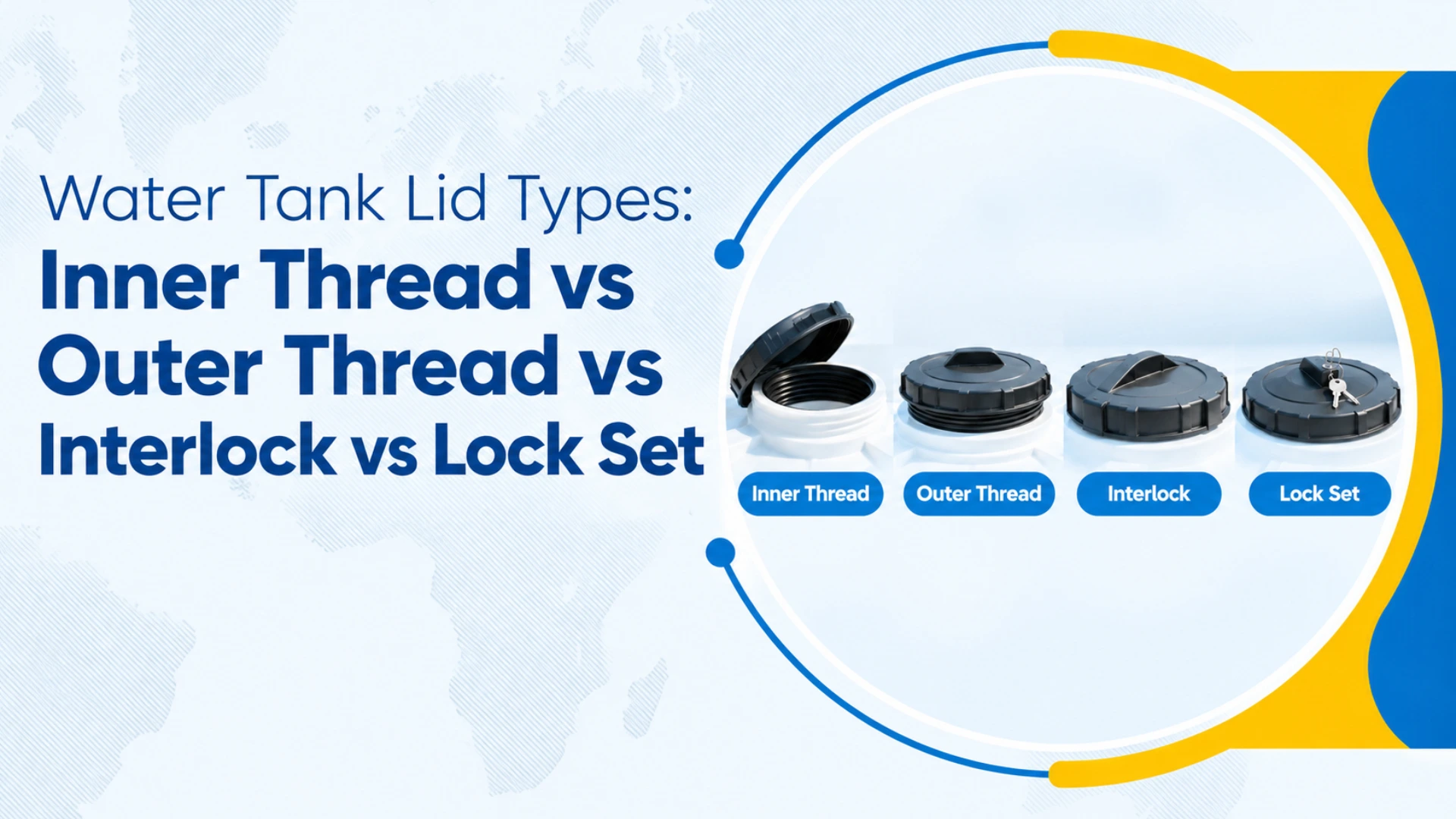
Four water tank lid types dominate plastic overhead and loft tanks: inner thread, outer thread, interlock and lock set. They look alike in the shop. After two monsoons, they don’t behave alike at all.
Outer thread lids give the most dependable seal on open rooftops. Inner thread lids sit flush but let rain and grit in more easily. Interlock lids open fastest. Lock set lids are the right choice wherever other people can reach the tank.
Here’s how each one fastens, seals and fails, so you can match the water tank cap to your tank.
Why the Water Tank Lid Matters More Than You Think
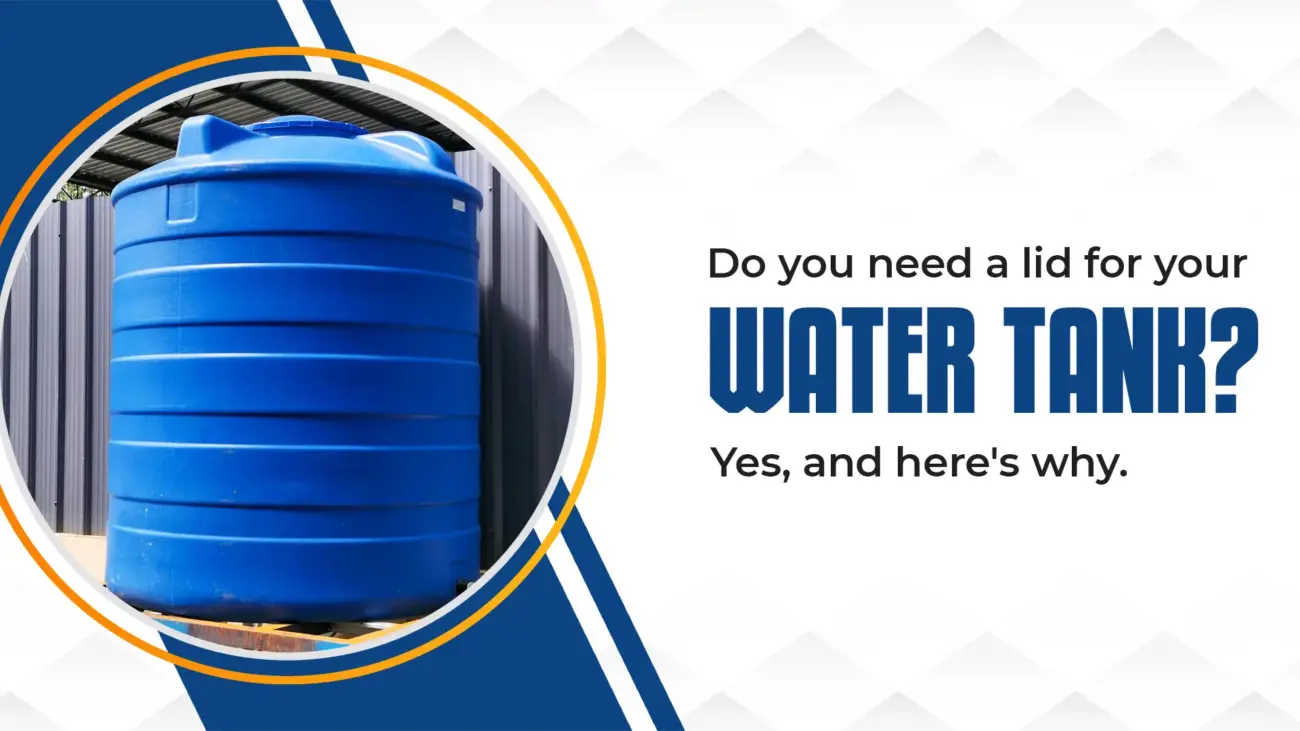
A water tank lid has one job: keep everything except water out of the tank.
- Mosquitoes. The Aedes mosquito, which spreads dengue and chikungunya, needs only a narrow gap to reach still water.
- Sunlight. A loose or cracked cap lets light in, and algae follows.
- Dust, leaves and bird droppings. Rooftops are dirty places. Every gust pushes debris toward the lid.
- Animals. Lizards, rats, pigeons and, in many Indian cities, monkeys get into poorly capped tanks.
- People. In shared buildings, an unlocked tank can be opened, contaminated or tampered with by anyone with roof access.
In other words, the lid is a hygiene part, not a decoration.

The 4 Water Tank Lid Types Explained
1. Inner Thread Lid
With an inner thread lid, the threads sit on the inside wall of the tank’s neck. The lid screws down into the opening, so it ends up nearly flush with the top of the tank. The appeal is a clean, low profile with little for wind or animals to grab. The weak spot is the shallow dish on top. Rain can pool there and seep along the threads if the lid isn’t fully tight. Grit on the inner threads also drops into the water each time you open it.
Works well for: loft tanks and covered or shaded installations where rain and dust exposure is limited.
2. Outer Thread Lid
An outer thread lid works like a bottle cap. The threads run around the outside of the neck, and the lid screws over them. Because the cap covers the rim completely, rain runs off the sides instead of toward the opening. It’s the most forgiving design for open rooftops: easy to grip, easy to see when it’s tight, and the threads stay out of direct rain. The catch is that dirt packs into the exposed threads below the cap and makes it stiff if never cleaned.
Works well for: most independent homes with a rooftop tank that gets full sun and monsoon rain.
3. Interlock Lid
An interlock lid doesn’t screw down several turns. Instead, lugs on the lid slide into matching slots on the neck, and a short twist locks them in place, much like a bayonet fitting. Many designs give a firm click when they’re seated. It’s the quickest water tank lid to open and close, which helps if you clean or inspect the tank often. But the seal relies heavily on the gasket, and plastic lugs can snap if the lid is forced at an angle.
Works well for: tanks that are opened frequently, and people who find threaded caps hard to turn.
4. Lock Set Lid
A lock set lid adds a hasp for a padlock or a built-in key lock. The base can be threaded or interlocking, but it can’t be opened without the key. This is the only option that guards against people, not just pests and weather. For a housing society, rented property or school, that usually settles it. Use a brass or stainless padlock, since ordinary steel rusts fast outdoors, and keep a spare key with someone reliable.
Works well for: apartments, commercial buildings, rental homes, and any tank on a roof that others can access.
Inner Thread vs Outer Thread vs Interlock vs Lock Set: Side-by-Side
| Feature | Inner Thread | Outer Thread | Interlock | Lock Set |
| How it closes | Screws into the neck | Screws over the neck | Quarter-turn lugs and slots | Threaded or interlock, plus key or padlock |
| Rain resistance | Fair; water can pool on top | Very good; rain runs off | Good, if gasket is intact | Depends on base design |
| Speed of opening | Moderate | Moderate | Fastest | Slowest (needs key) |
| Tamper resistance | Low | Low | Low to moderate | High |
| Common failure | Grit in threads, seepage | Packed dirt in threads | Worn or broken lugs | Rusted or lost lock |
| Best fit | Loft and shaded tanks | Open rooftop homes | Frequently opened tanks | Shared or public access |
The right water tank cap depends more on where the tank sits and who can reach it than on the lid itself.
How to Choose the Right Water Tank Lid

Ask three questions before you buy or replace one.
- Is the tank exposed to rain and direct sun? If yes, lean toward an outer thread lid, or a lock set built on an outer thread base.
- Can anyone besides your household reach it? If the roof is shared, a lock set isn’t optional. It’s the only design that stops tampering.
- How often is it opened? Weekly cleaning, chlorine dosing or level checks make an interlock lid far less of a chore.
Also note your tank brand and neck diameter, or carry the old lid along. A cap that “almost fits” leaves a gap, and a gap defeats the purpose.
Simple Maintenance That Extends Lid Life
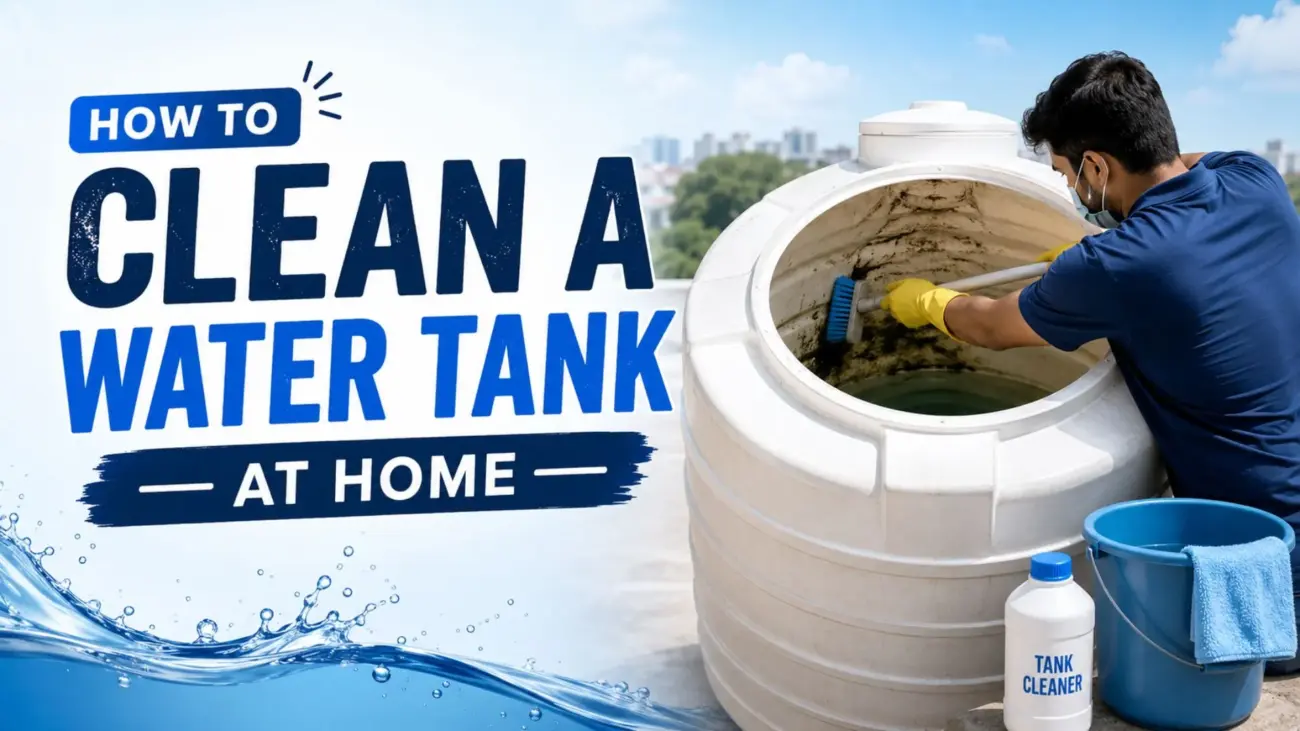
Wipe the threads or lugs each time you clean the tank, ideally every six months, and check the gasket before the monsoon. Oil the keyhole on lock set lids now and then.
Frequently Asked Questions
What are the main water tank lid types?
The four common water tank lid types are inner thread, outer thread, interlock and lock set. Inner and outer thread lids screw on, interlock lids lock with a short twist, and lock set lids add a key or padlock for security.
Which water tank lid is best for a rooftop tank?
For most homes, an outer thread lid, because it covers the rim and sheds rain. If others can access the roof, go for a lock set lid.
Can I replace only the water tank cap without changing the tank?
Yes. Most manufacturers and local dealers sell replacement lids. Match the brand, neck diameter and closing type exactly, or the new cap won’t seal.
Is an interlock lid as secure as a threaded lid?
Against dust and insects, yes, if the gasket is healthy. Against people, neither is; only a lock set lid is.
How often should a water tank lid be replaced?
There’s no fixed schedule. Replace it when it cracks, turns brittle, strips its threads or won’t close fully. Check it once a year, before the rains.
Final Thoughts
The best water tank lid isn’t the priciest one. It’s the one that fits your tank’s location, your routine, and who else can reach your roof. Go outer thread for open rooftops, inner thread for sheltered lofts, interlock for frequent access, and a lock set wherever security matters. Add five minutes of care twice a year, and it will serve you well for years.