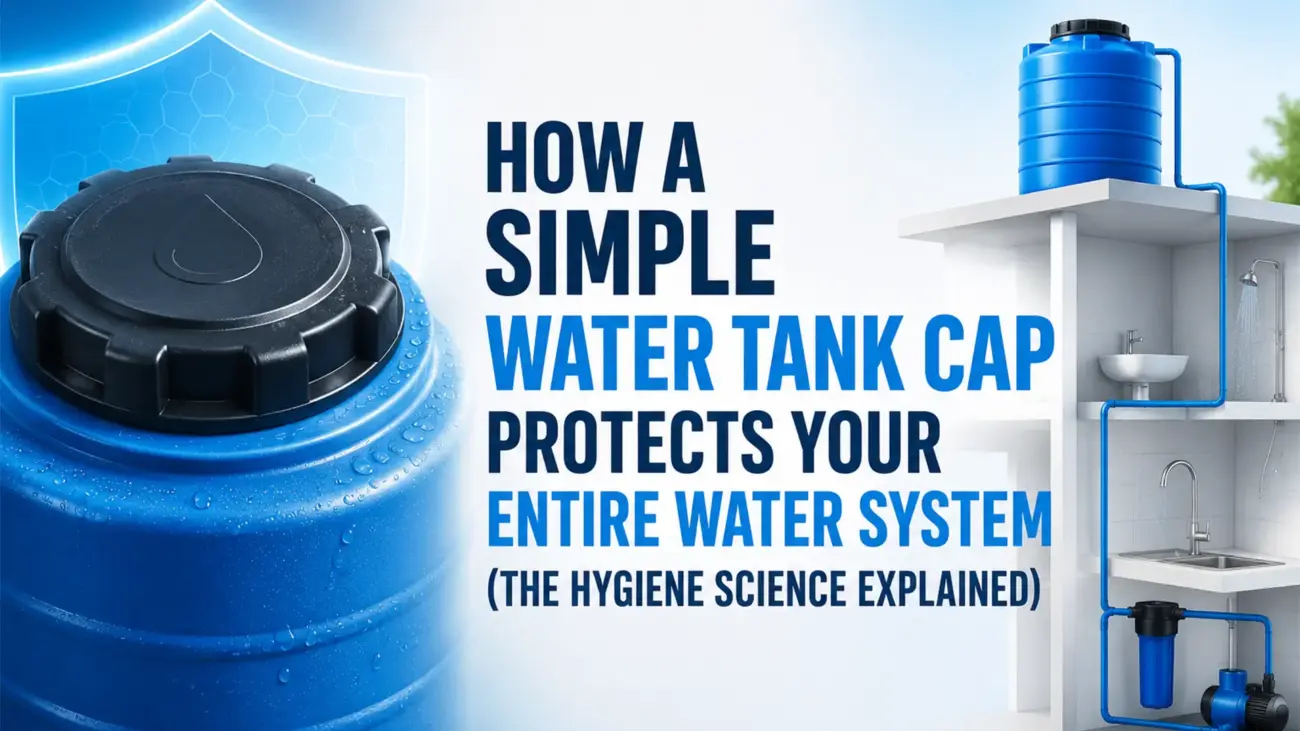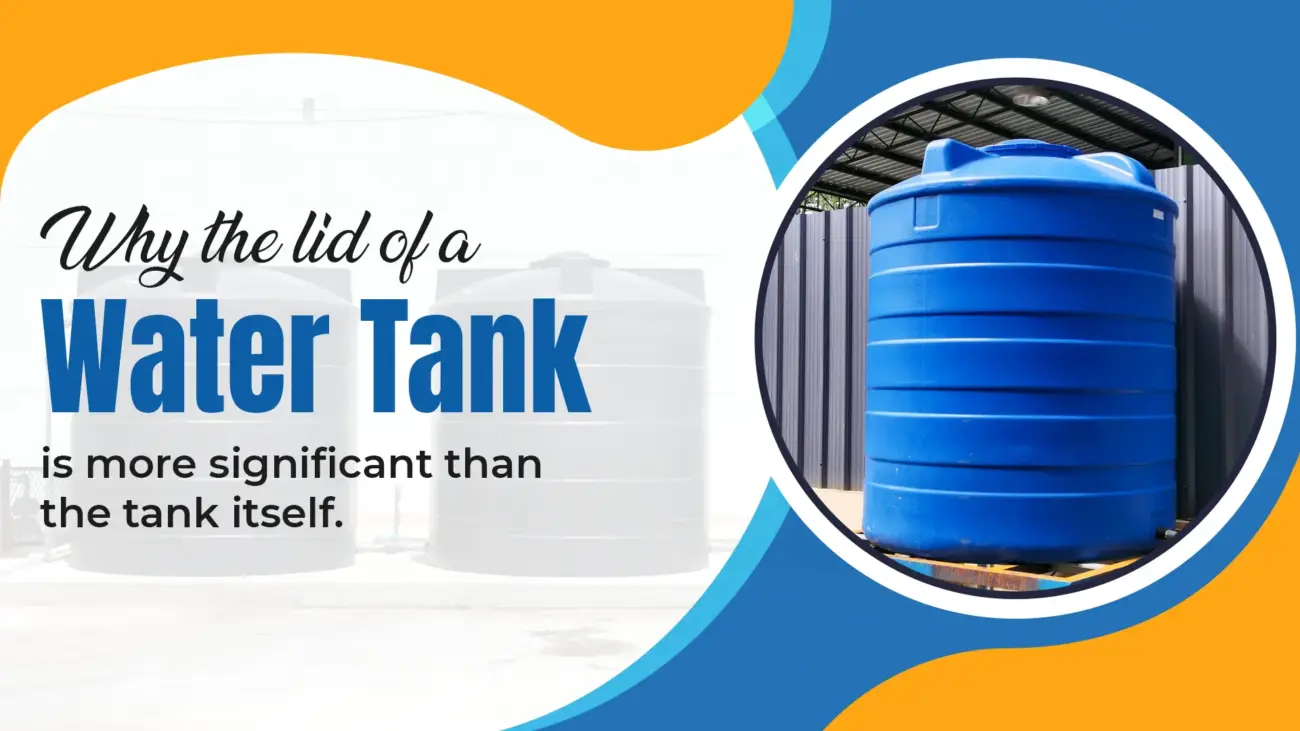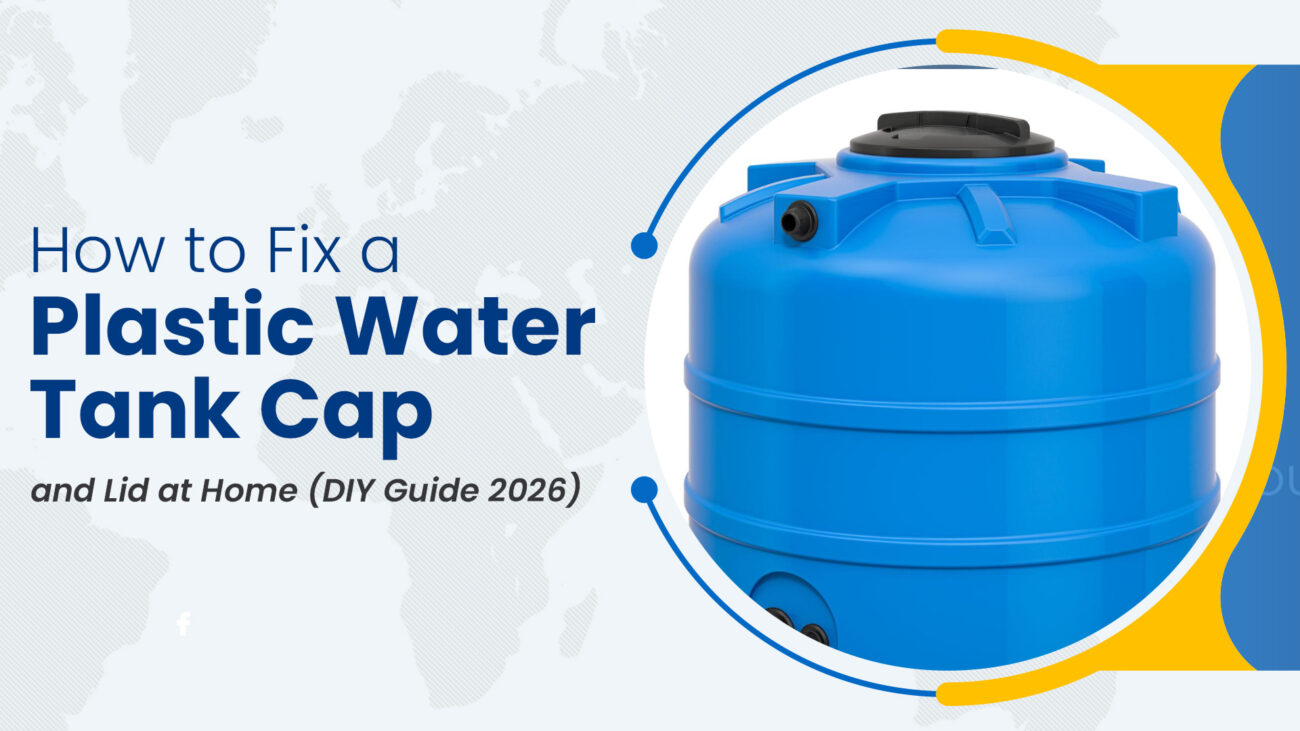


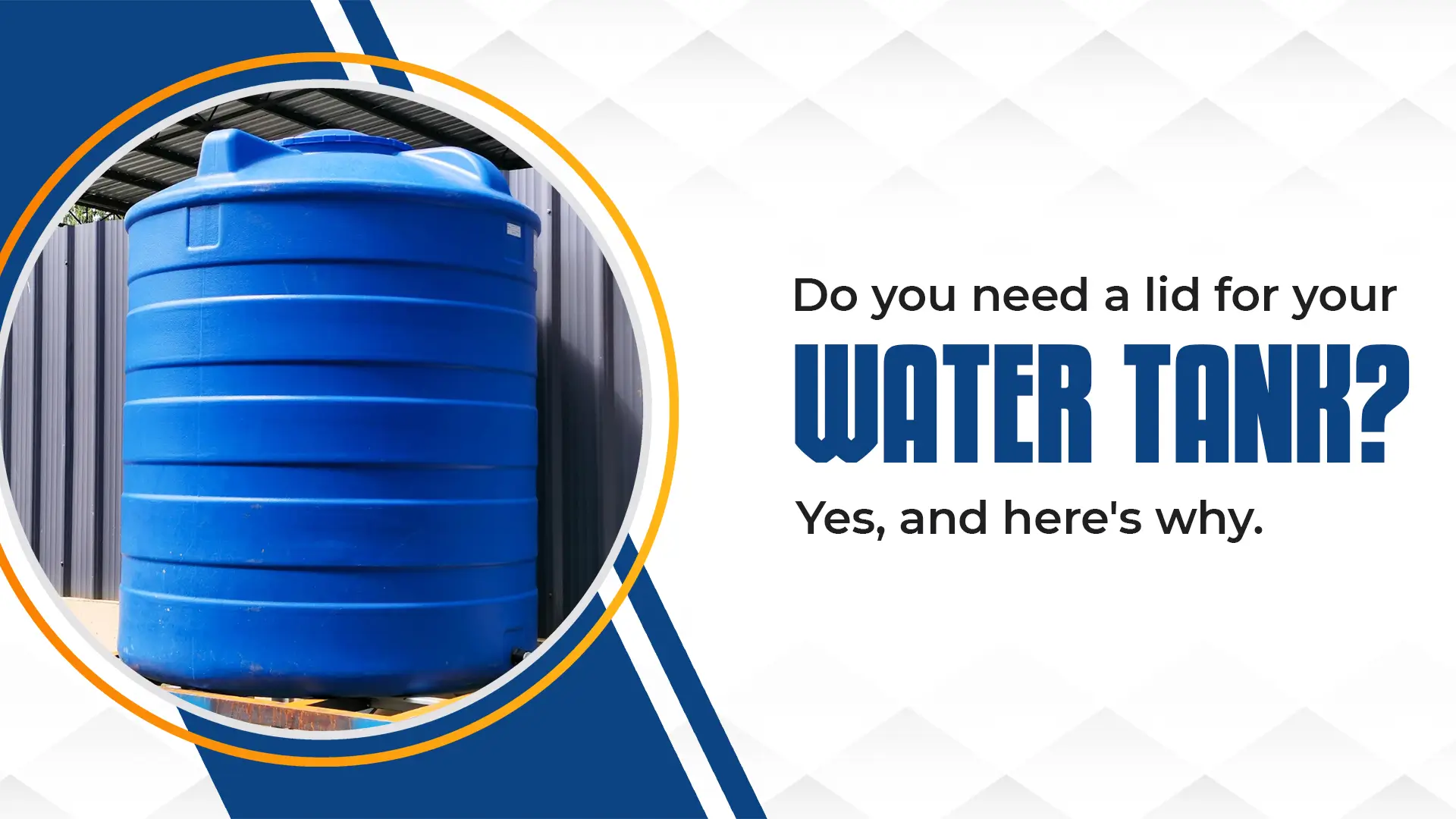
When most people think of their water tank, they think about the tank itself. The brand name, the size, and the material are all important. The lid is something that nearly no one thinks about until something goes wrong.
The lid or cover on your water tank is the most critical part of your whole water storage system when it comes to hygiene. And in 2026, with more people than ever aware of vector borne diseases, tanks that are exposed to excessive summer heat being more likely to get contaminated, and algae development being observed more often in household overhead tanks, this is no longer a little issue.
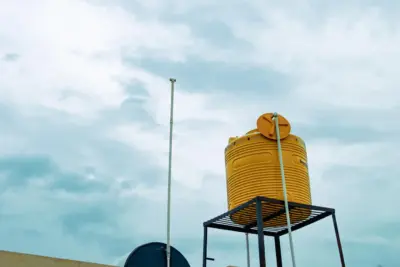
What Happens to a Water Tank That Isn’t Covered
A water tank that isn’t covered or isn’t sealed well is a recipe for a very specific set of issues. When you understand each one, it’s impossible to disregard the need for a good water tank lid.
Breeding mosquitoes
Aedes and Anopheles mosquitoes, which spread dengue, malaria, and chikungunya, can nest under an open or cracked water tank lid. During the summer, one uncovered home tank can create hundreds of adult mosquitoes every week. This is not a risk that is only in your head. Indian public health statistics regularly shows poorly protected water storage as a primary breeding ground for mosquitoes in urban and peri urban areas.
Growth of algae
Algae needs two things to grow: water and light. An above tank on a rooftop in India gets a lot of both. Sunlight can get into the tank through the open top and the walls, which causes algae blooms that change the color of the water, make it smell bad, and sometimes make toxins that are bad for you if you consume them.
Dust, trash, and mice getting in
Dust, leaves, bugs, and even, in the worst circumstances, rats or birds might get into the tank if the cap is not securely fitted or is destroyed. The contamination happens right away and is very bad. It is necessary to completely empty and disinfect water from a tank that has had rodents in it. The tank must also be checked for damage before it can be used again.
What Makes a Good Cap or Lid for a Water Tank
Quality of the material
Food grade virgin HDPE or polypropylene is the ideal material for water tank caps. These are the same materials that are used to make the tank itself. These materials are safe to use, don’t break down in the sun, and stay sealed even when the temperature changes from 10°C to 60°C without warping or breaking.
Protection from UV rays
A lid that is UV stabilized keeps sunlight from getting into the tank through the aperture. When used with a UV pigmented tank body, this completely blocks the light path that algae use to grow.
Correct sealing
A good lid makes a good seal when it’s closed, not just a cover that sits on top. A lip and groove design or a gasket seal will keep mosquitoes, bugs, and fine dust from getting in through the space between the lid and the tank opening.
Vent supply
A sealed tank still needs to breathe because water is being taken out and the pressure inside the tank is equalizing. A good tank cap has a mesh vent that keeps mosquitoes out while letting air in and out. Caps that don’t have vents can produce a vacuum that stops water from flowing out of the tank.
How to Pick the Right Size for Your Cap
The size of the water tank cap or lid is based on the diameter of the tank’s manhole or inlet. For home tanks, this is usually 200mm, 300mm, or 400mm. Before you order, make sure you know the right entrance diameter by looking at the tank manufacturer’s specifications. If a cap doesn’t fit right, it won’t work as a hygiene barrier.
Every six months, check the cap on your water tank. Check for brittleness caused by UV rays, cracks at the hinge, or gaps in the sealing lip. A cap that costs a few hundred rupees to repair is safeguarding a tank that costs tens of thousands of rupees. Change it out before it breaks.
Arihant Plast Water Tank Caps
Arihant Plast makes water tank covers in conventional sizes for homes and businesses out of food grade HDPE. The caps have UV protection, mosquito proof vent mesh, and a lip that seals the tank. You may buy our caps in quantity through our B2B channel, and they work with all the main brands of Indian water tanks.
Visit arihantplast.in for help with size, technical details, or getting in touch with a distributor.
Questions that are often asked
Q1. Is it unsafe to leave a water tank open for a few hours?
Yes, especially when it’s warm outside. In as little as 20 minutes, mosquitoes can start to lay eggs in water that is still. Even modest amounts of time spent exposed add up to a higher danger over time. When you’re not adding water or doing maintenance, keep the tank covered.
Q2: How often should I clean the tank?
At least once every six months, you should completely drain and clean your domestic overhead tanks. Cleaning every three months is a good idea in places with a lot of dust, extreme temperatures, or known water quality problems.
Q3. Is it possible for algae in a water tank to make you sick?
Some algae, especially cyanobacteria (blue green algae), make toxins that can make you sick, throw up, and hurt your liver if you eat too much of them. If you see algae growing in a water tank, you should drain, clean, and disinfect it before using it again.
Q4. What is the difference between a water tank cap and a water tank lid?
For most home uses, the words are used interchangeably. A cap usually refers to the cover over the inlet or access opening, whereas a lid may refer to a bigger access panel on tanks used for business or industry. Both phrases mean the same thing for tanks in homes.