

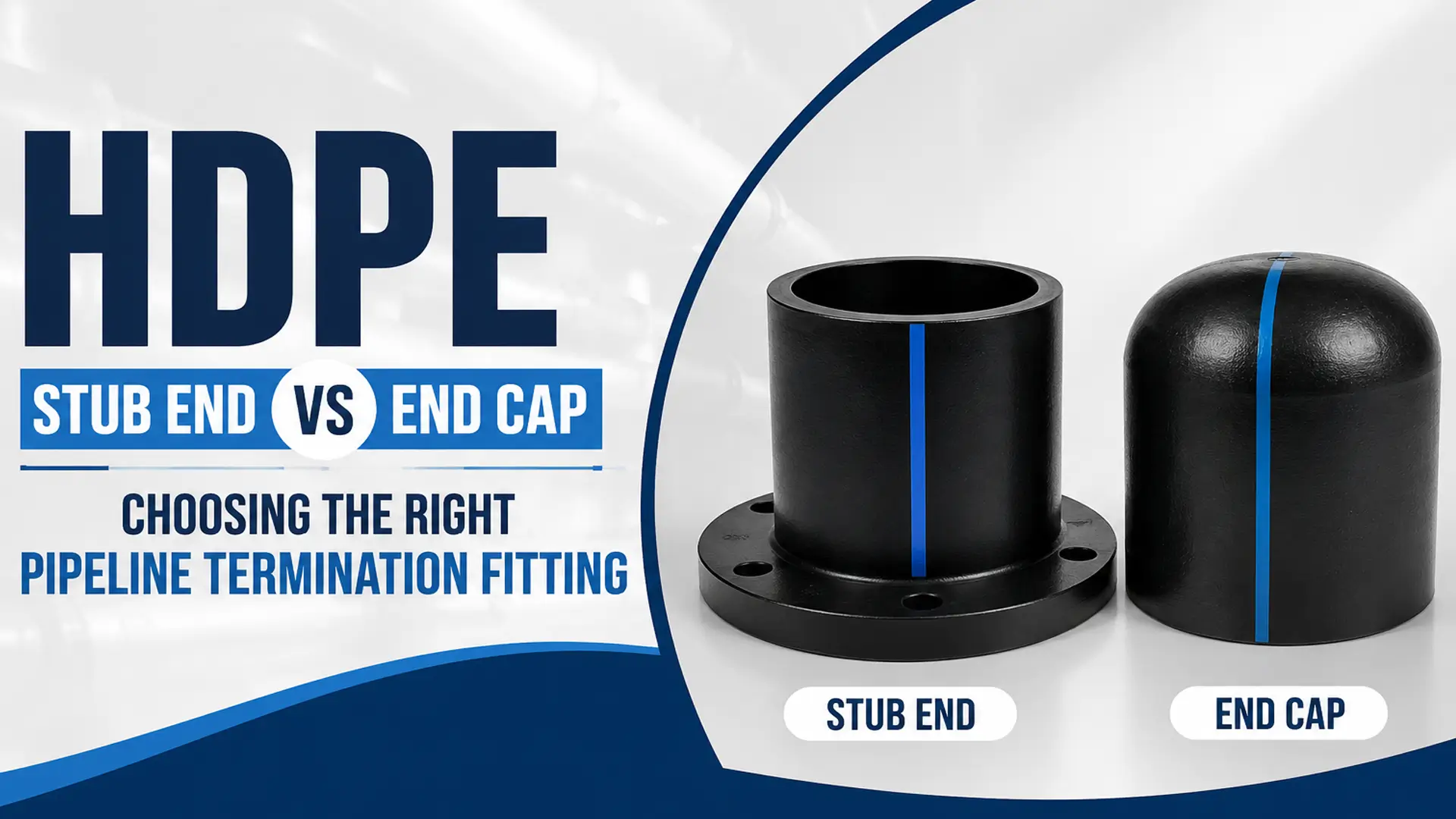
What Is an HDPE Stub End?
The HDPE stub end is employed for the connection of pipes with flanges to provide a joint that can be conveniently assembled and disassembled.
That leaves the system open for change, rather than closing the pipeline forever. This makes it particularly beneficial in installations where equipment such as valves or pumps may have to be changed or maintained.
It is like a checkpoint in your pipeline that can be adaptable. It lets you pause, modify and extend without hacking into the system.
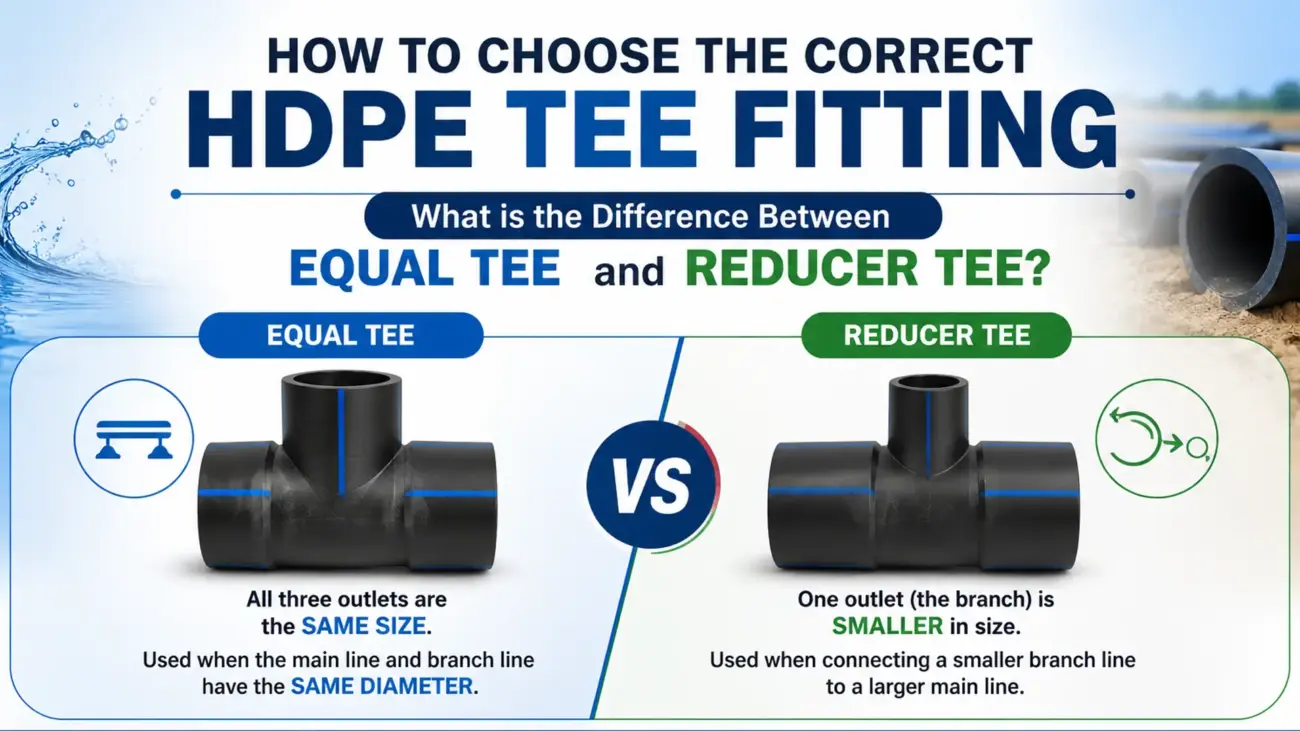
In more sophisticated configurations with an HDPE TEE, stub ends are commonly used as connecting points to allow for expansion and flexibility.
What is hdpe end cap?
As the name suggests, an HDPE end cap is used to entirely cover off a pipeline.
Once in place it acts as a seal to the pipe and nothing can flow beyond it. It is straightforward, effective, and is commonly employed when no further extension is expected.
End caps are typically employed for the end terminations of a pipeline or for testing operations that need a temporary seal.
Unlike stub ends they do not permit quick reopening. If adjustments are required later the cap must be removed or the pipe cut.
HDPE Stub End versus End Cap: What are the Differences?
The real difference between the two fits is one of intent and function.
Flexibility is incorporated into a stub end. It allows for disconnection, modification and future growth. An end cap built to last. It closes the system, it gives a definite end point.
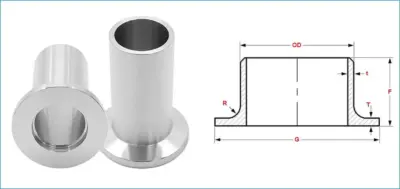
Stub ends are convenient from the maintenance point of view. They allow portions of the pipeline to be more easily inspected or upgraded. End caps are great when simplicity and cost are the priority.
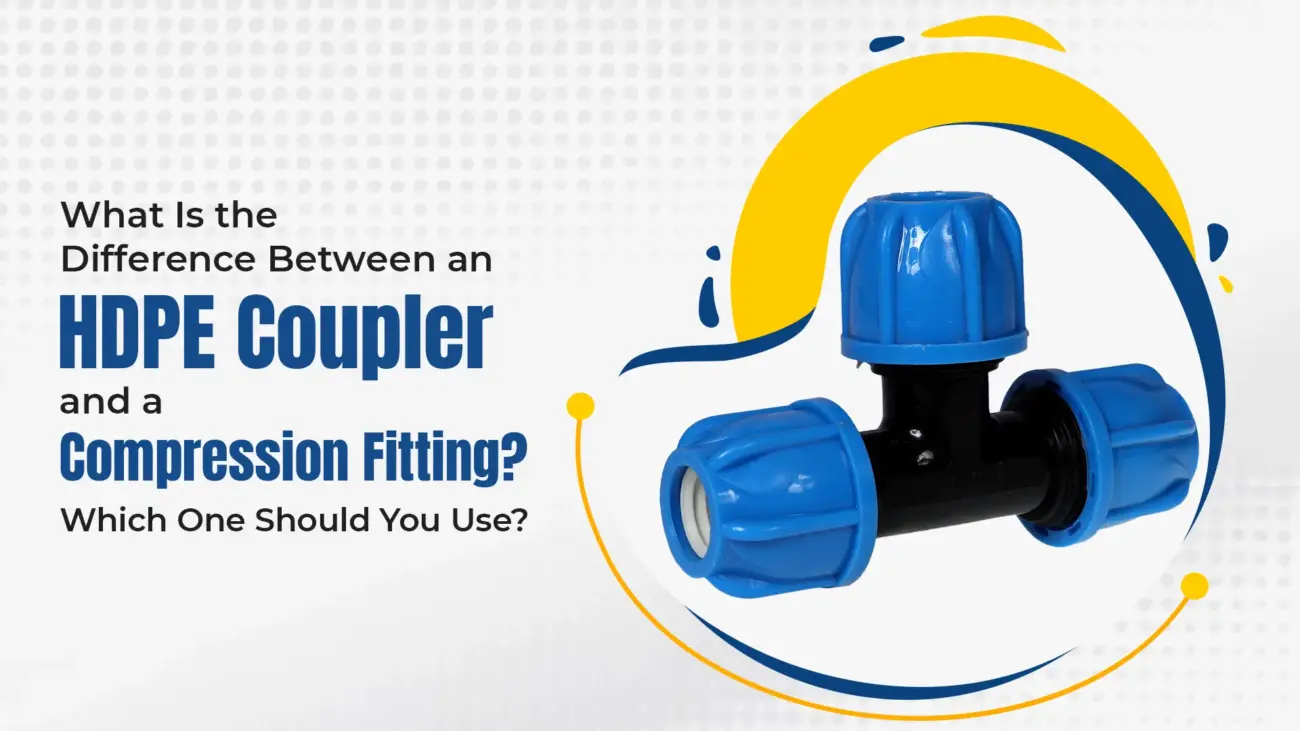
For systems utilizing several hdpe pipe fittings like HDPE COUPLER and tees, the choice between these two fittings can decide the level of flexibility of the overall network.
When to use an HDPE Stub End?
Stub ends are the best answer when your pipeline needs to be flexible.
They are commonly utilized in systems associated with mechanical equipment. Pumps and valves require service at regular intervals, and a detachable connection decreases downtime.
Also they are perfect for projects that plan future expansion. Stub ends are easy to add new sections onto, rather than having to re-design the system later.
Stub ends in HDPE TEE connection networks are strategic points for future branches to be added without disruption.
When to Use a High Density Polyethylene End Cap
End caps are most appropriate when the pipeline is complete and no more modifications are expected.
They provide a secure, permanent seal making them perfect for final endpoints. For simpler systems they are a fast and inexpensive solution.
These are often employed during pressure testing when sections of the pipeline need to be temporarily blocked off.
If you want to close the system without adding complexity, an end cap is the simple option.
How HDPE TEE and other fittings function together
A pipeline is not merely a fitting. It’s a system of connected parts working together.
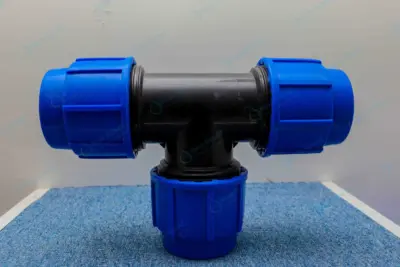
The HDPE TEE splits the flow into several directions, constituting the backbone of distribution systems. Couplers join pipe sections, reducers change the size of flow.
Termination fittings such as stub ends and end caps define where this network starts and terminates.
The outcome is an efficient system that is straightforward to extend and maintain, if all these components are selected correctly.
Importance of HDPE COUPLER and Electrofusion Fittings
Terminations are not more significant than connections.
An HDPE COUPLER provides continuity between pipes and smooth flow throughout the system. Simple, but important.
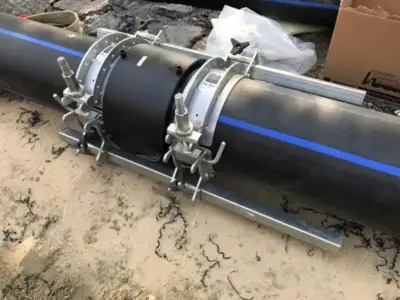
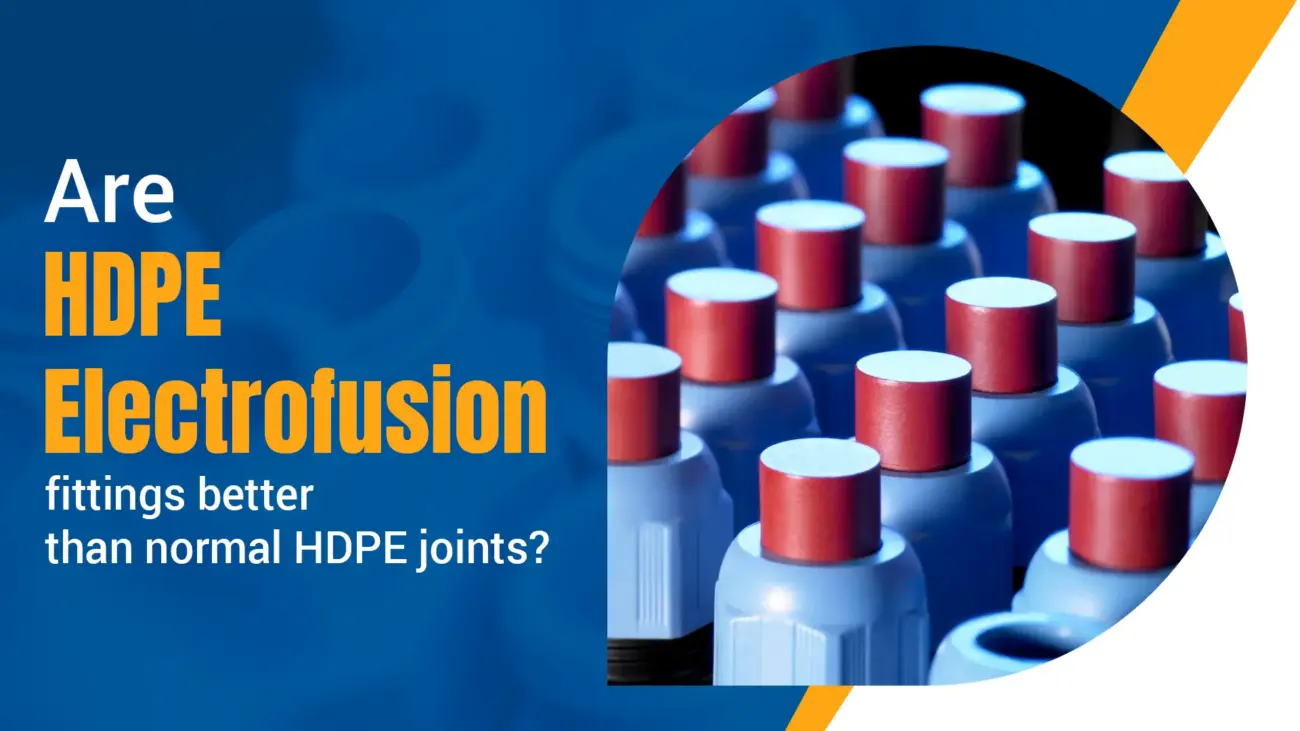
Meanwhile, electrofusion fittings of hdpe offer precision to the process. With heat and pressure , they generate strong , leak proof couplings . Perfect for crucial applications .
These fittings can be used with stub ends and end caps to ensure the remainder of the pipeline stays secure and reliable.
How to Choose Trustworthy HDPE Fittings Manufacturers
The quality of your fittings has a direct impact on how well your pipeline performs.
Working with renowned hdpe fittings manufacturers means you can be assured that all your fittings will satisfy industry requirements and work consistently under pressure.
Good manufacturers have full range of hdpe pipe fittings so they fit very well into the system. This minimizes the chances of failure and enhances efficiency over the long term.
This decision is even more crucial in infrastructure projects where durability and safety are a must.
Conclusion
It’s not just closing a pipeline when you pick an HDPE stub end over an end cap, it’s establishing how that pipeline will perform moving forward.
If you care about flexibility, maintenance and growth, the stub end is the better choice. If you want a permanent, secure seal, the end cap will do just that.
The appropriate choice, in combination with additional components such as HDPE TEE, HDPE COUPLER, hdpe electrofusion fittings, provide a pipeline system that is efficient, reliable and built to last.
Ultimately the best pipelines are not constructed for today, they are built for what’s next.