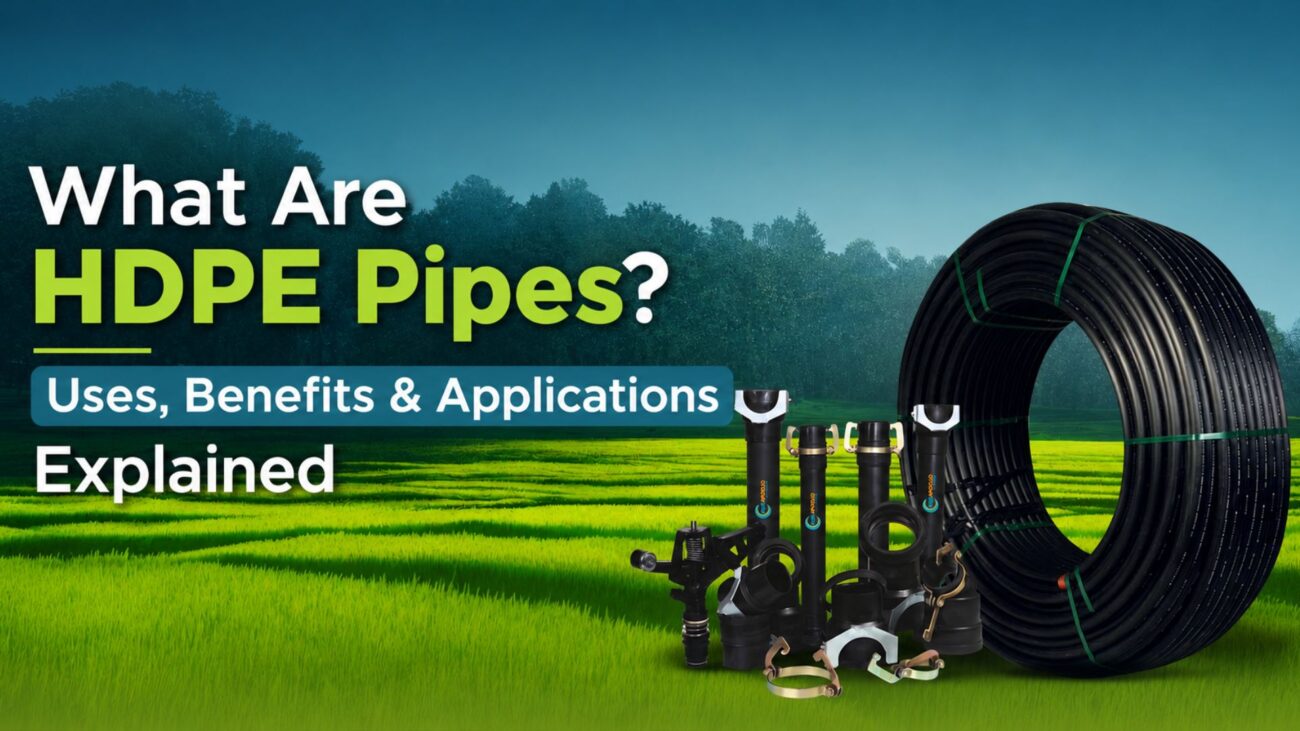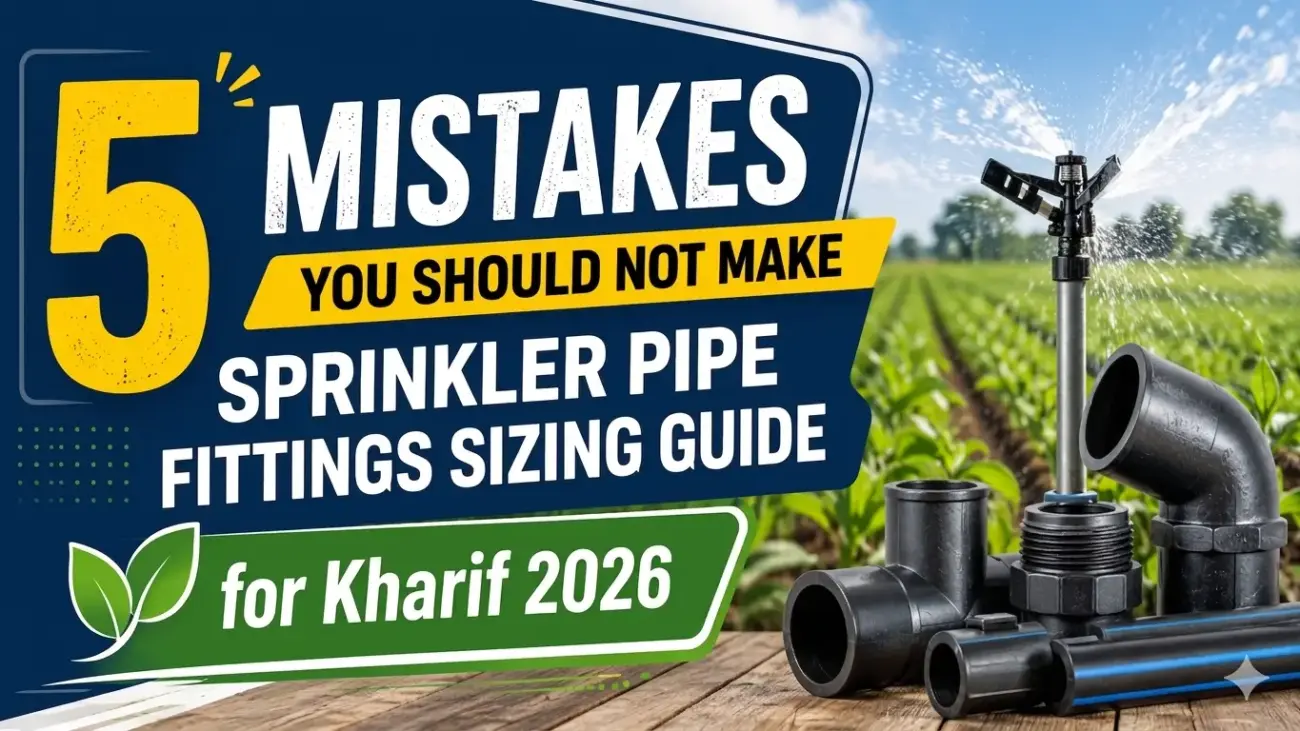


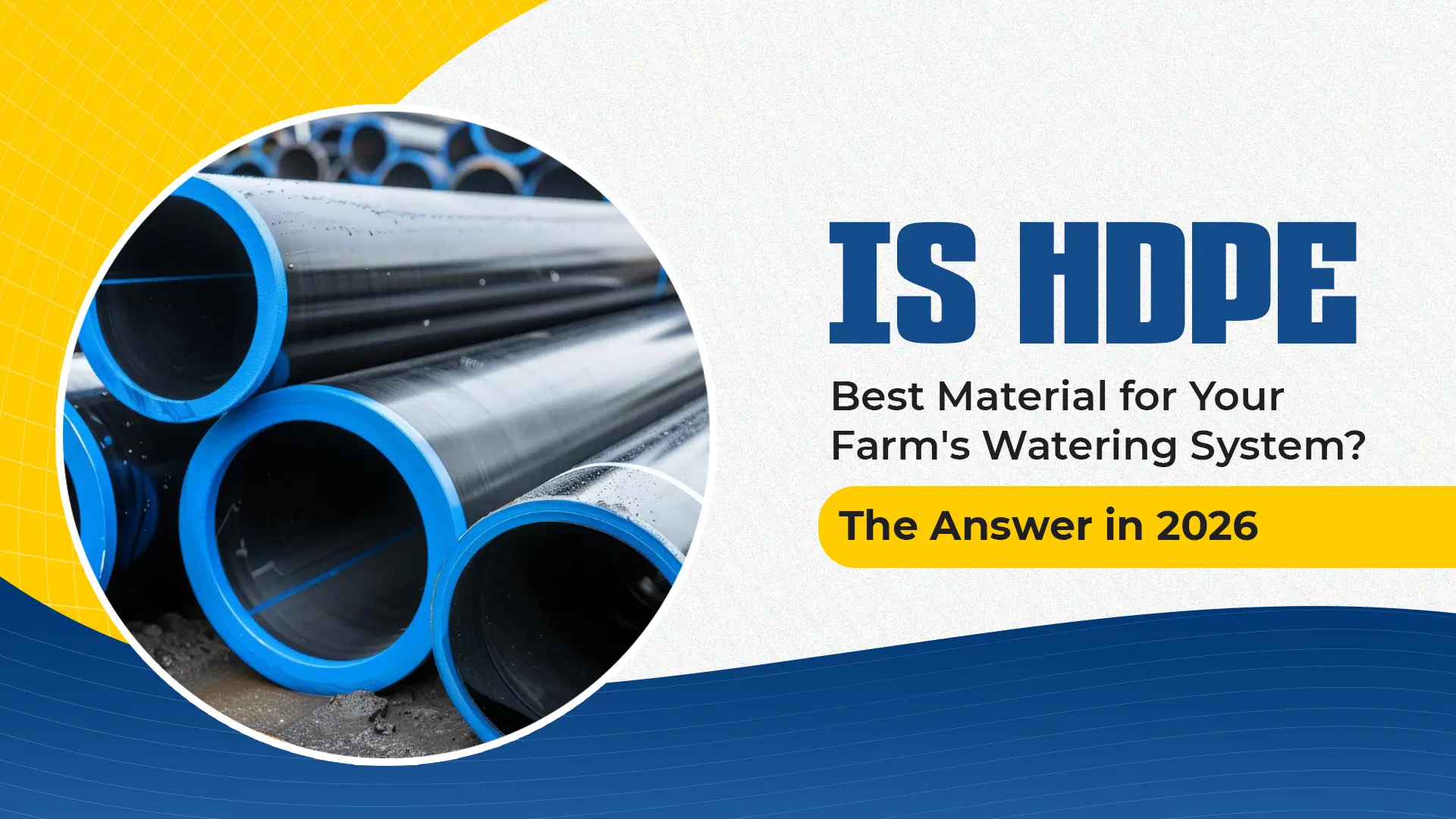
Every April, farmers all throughout India have the same talk: “What’s the best way to water this season’s crop?” This is because the temperature gets warmer and the water table drops in Rajasthan, Maharashtra, and Gujarat. And more and more, the answer seems to be sprinkler irrigation, with HDPE being the finest pipe system.
It’s not a close call whether or not HDPE irrigation pipe works well with sprinkler systems. In 2026, HDPE is not only good for most farming needs in India, but it is also made to operate well in the conditions that Indian sprinkler systems have to deal with.
What Type of Pipe Do Sprinkler Systems Need?
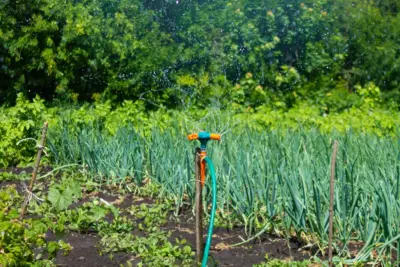
A sprinkler irrigation system works at pump pressures between 0.8 and 1.2 MPa (approximately 8 to 12 bar). It feeds water through a network of mainlines, submains, and laterals to either fixed or rotating sprinkler heads. The pipe system needs to sustain a stable pressure throughout the layout, be able to handle UV light if it is put on the surface, be easy to install and take down every season for portable systems, and be able to handle water mixed with fertilizer without breaking down.
PVC pipes are inflexible and can break if they are not put in the right way or if someone steps on them or hits them with farm machinery. Metal pipes are too heavy and expensive for most Indian farming methods. HDPE is the only material that fits all of these needs because it is light, flexible, can take pressure, and is stable when exposed to UV radiation.
Inquiry Now
How HDPE sprinkler fittings operate on farms
Works with pressure
There are numerous pressure classes of HDPE sprinkler pipe fittings to match the needs of different sprinkler systems. IS 17425 is the law in India that governs sprinkler irrigation pipes and fittings. It tells you what types there are: Class 1 (2.5 kg/cm²), Class 2 (3.2 kg/cm²), Class 3 (4 kg/cm²), and Class 4 (6.0 kg/cm²). This series has practically every kind of agricultural sprinkler, from small kitchen gardens to large commercial farms.
UV stability for use above ground
Even after years of being in direct sunlight, HDPE with UV stabilizers preserves its physical qualities. This isn’t true for a lot of other kinds of plastic. This UV protection is especially critical for portable sprinkler systems that are put up and taken down between seasons. Pipes that aren’t UV stabilized break down after two or three seasons.
Resistant to pesticides and fertilizers
Adding fertilizer to the water used for irrigation is prevalent on Indian fields these days. Indian farmers employ chemicals like fertilizers, pesticides, and pH-modifying compounds, yet these don’t hurt HDPE. Metal pipes rust and leak, while PVC can absorb some contaminants over time. After decades of use in fertigation, HDPE remained the same.
What kinds of fittings do HDPE systems for sprinklers use?
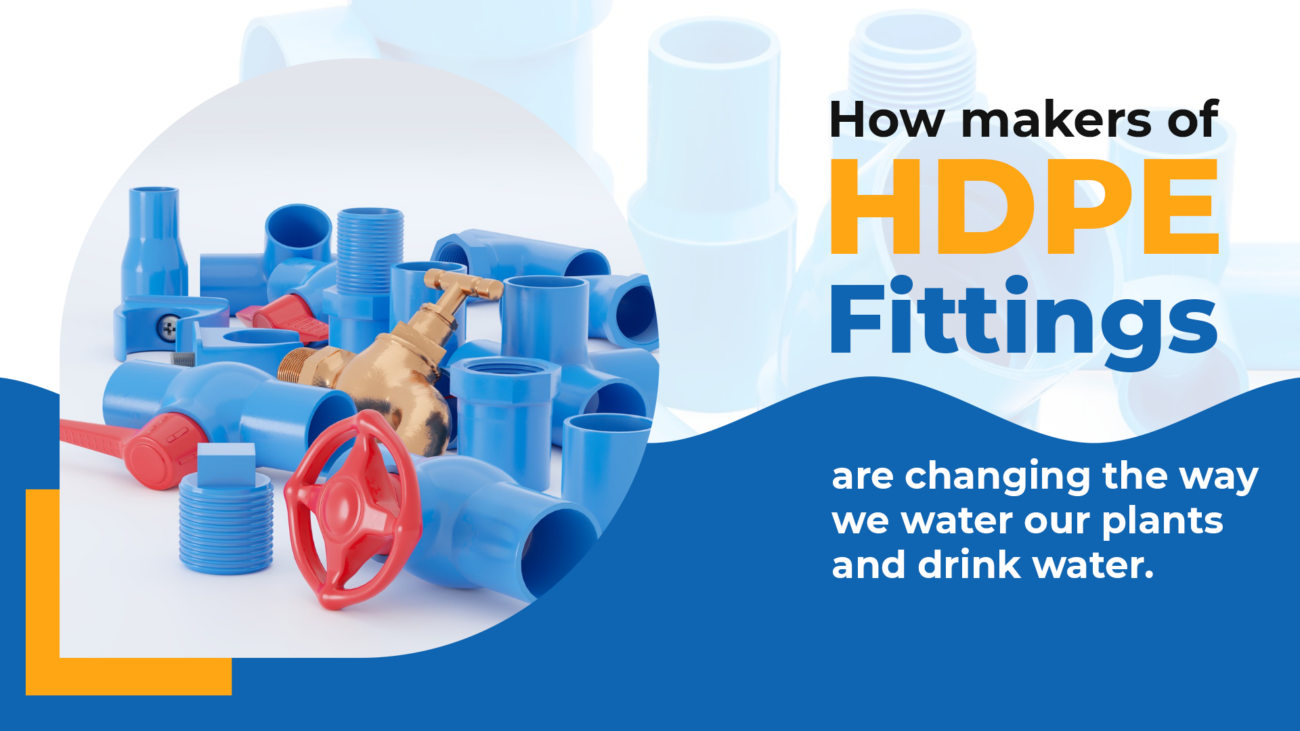
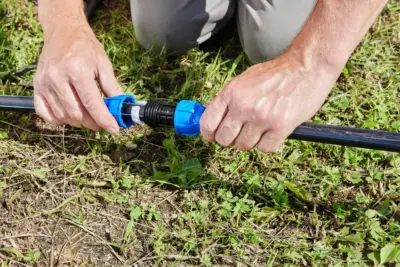
There are many kinds of fittings that are utilized at different points in a complete HDPE sprinkler system:
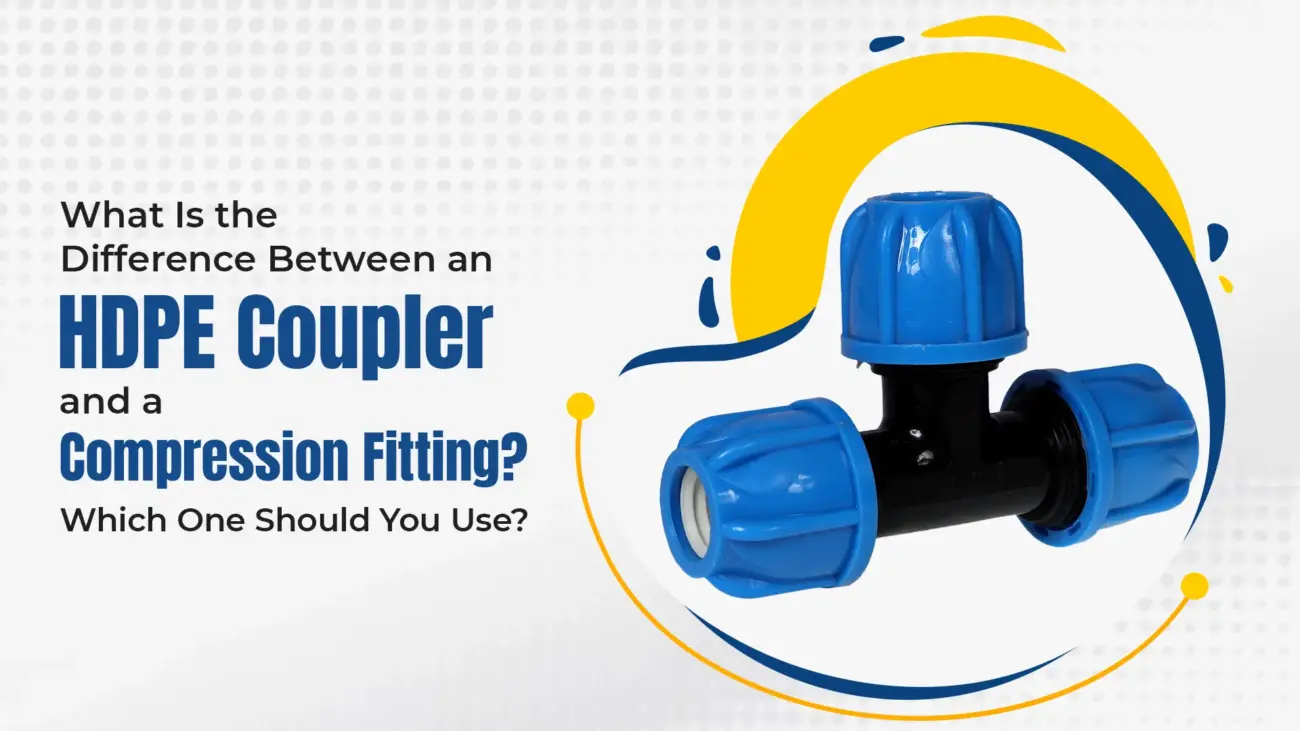
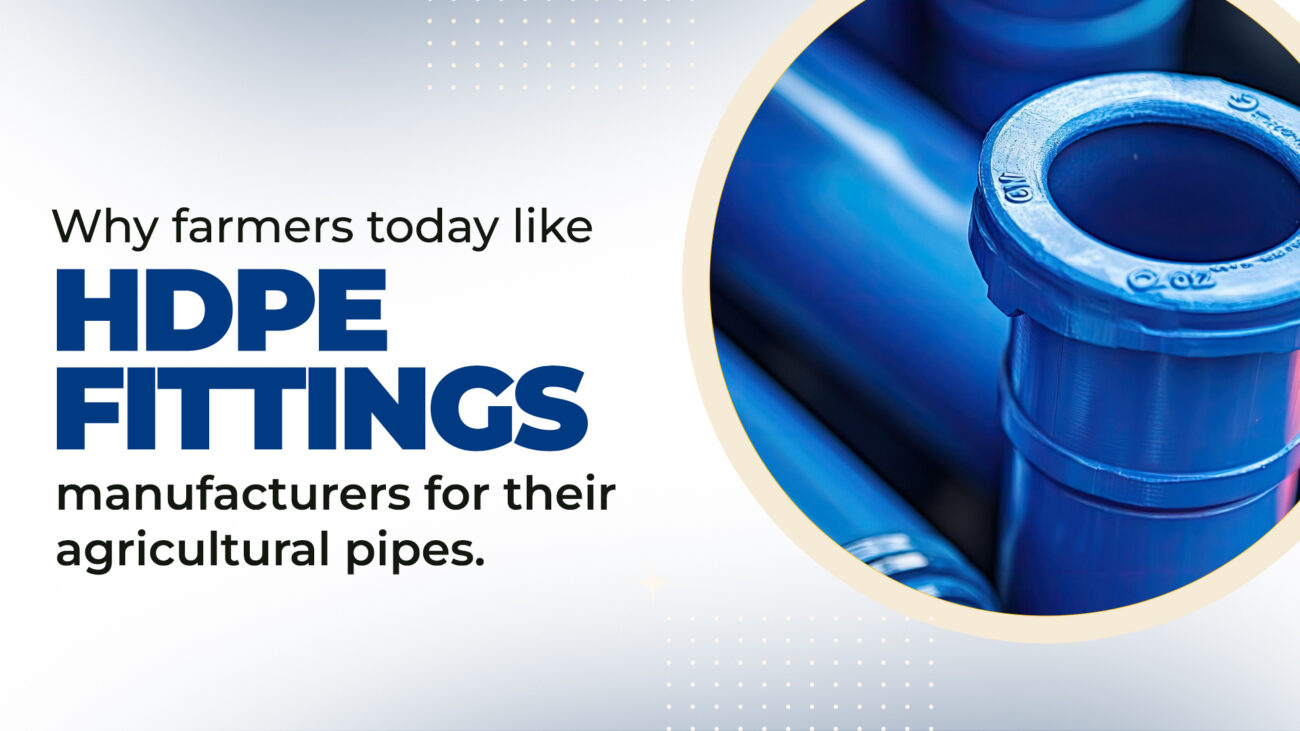
- Mainline couplers: These connect the huge pipes (typically 63mm to 110mm) that go from the pump to the field.
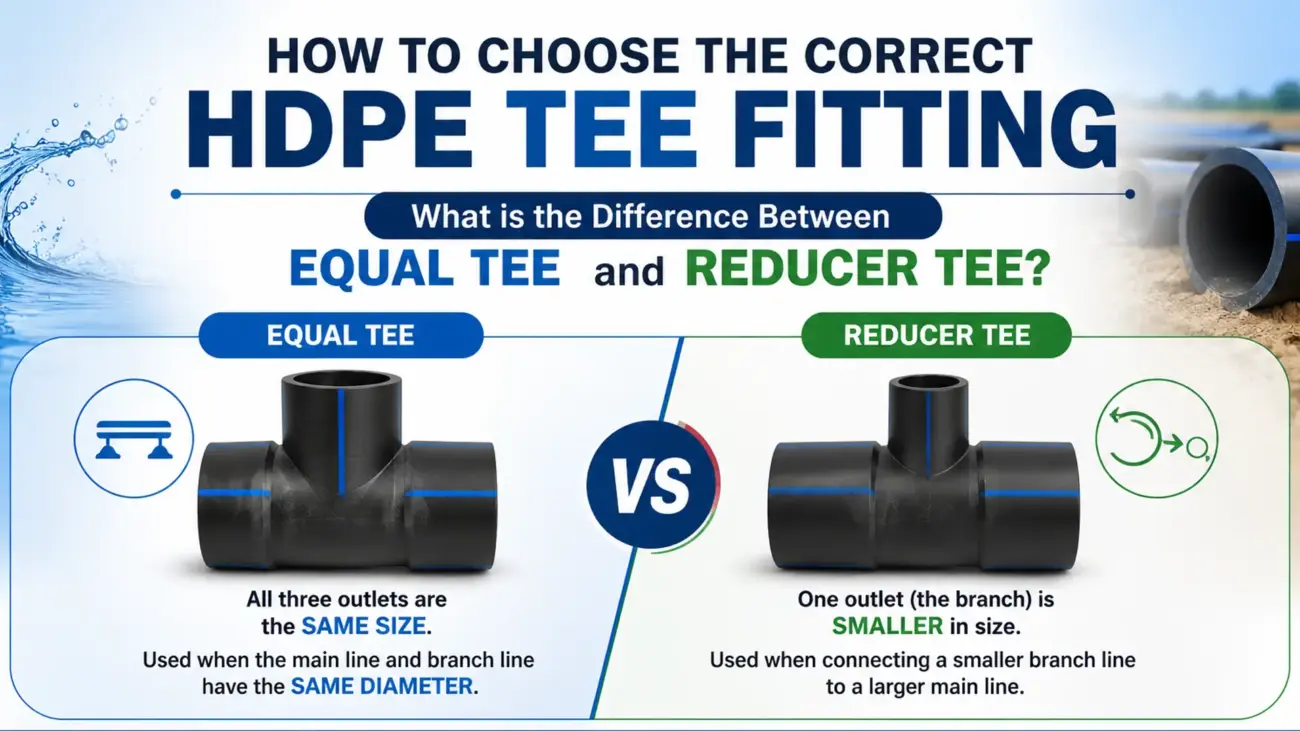
- TEE fittings: These break the mainline into smaller branches that follow the rows of crops.
- Elbows: Help you navigate around the field layout’s bends and changes in direction.
- Sprinkler riser fittings: These connect the pipes that go sideways to the sprinkler heads that are above ground.
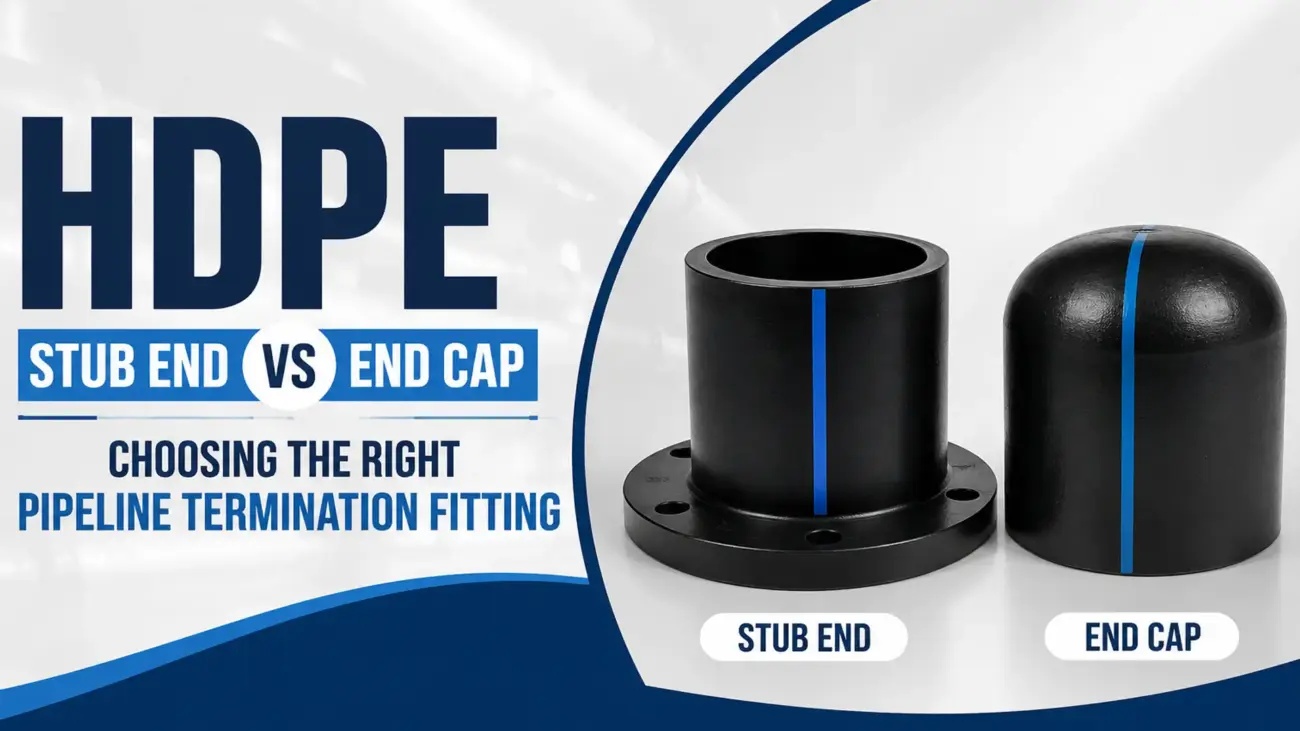
- End caps: These close off the ends of each lateral to build up pressure and make sure that all of the sprinkler heads get the same quantity of water.
- Integrated saddle fittings: These let you add branches to mainlines that are already there without cutting them. This is useful if you wish to add new rows in the middle of the season or make an existing system bigger.
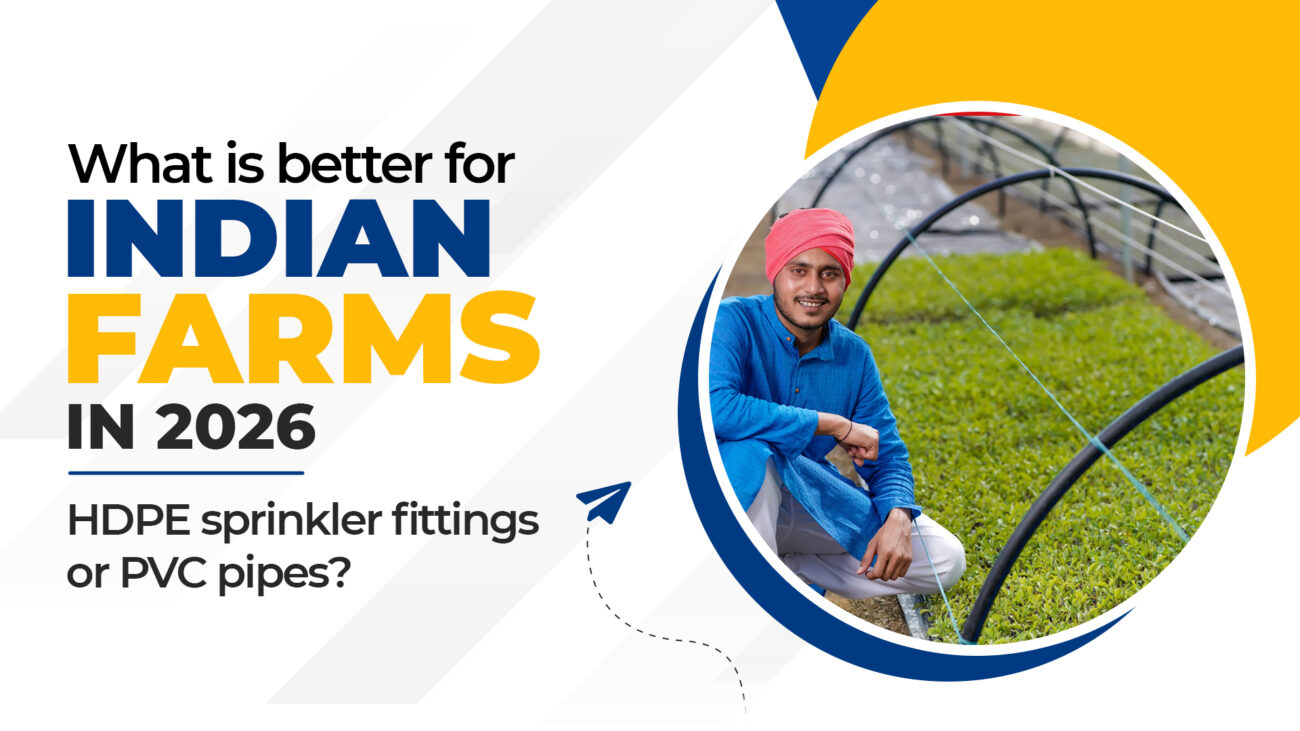
Check Out More – What is better for Indian farms in 2026: HDPE sprinkler fittings or PVC pipes?
The Seasonal Timing Advantage
The optimal time to set up irrigation in India for the summer and early kharif seasons is between April and June. Because HDPE sprinkler fittings are so light, two persons can set up the lateral system for an entire field in one day. Their compression-join fittings don’t need any tools, glue, or time to cure. Simply push and twist to make the connection. At the conclusion of the season, you may take the same system apart, clean it, and put it away until the following planting.
This is a note concerning the PMKSY subsidy: The Pradhan Mantri Krishi Sinchai Yojana program helps farmers in India save money on drip and sprinkler irrigation systems, including pipes and fittings. Farmers in the general category can save up to 55%, and farmers in the SC/ST category can save up to 45%. You can employ HDPE systems made by well known companies.
Parts for Arihant Plast HDPE Sprinklers
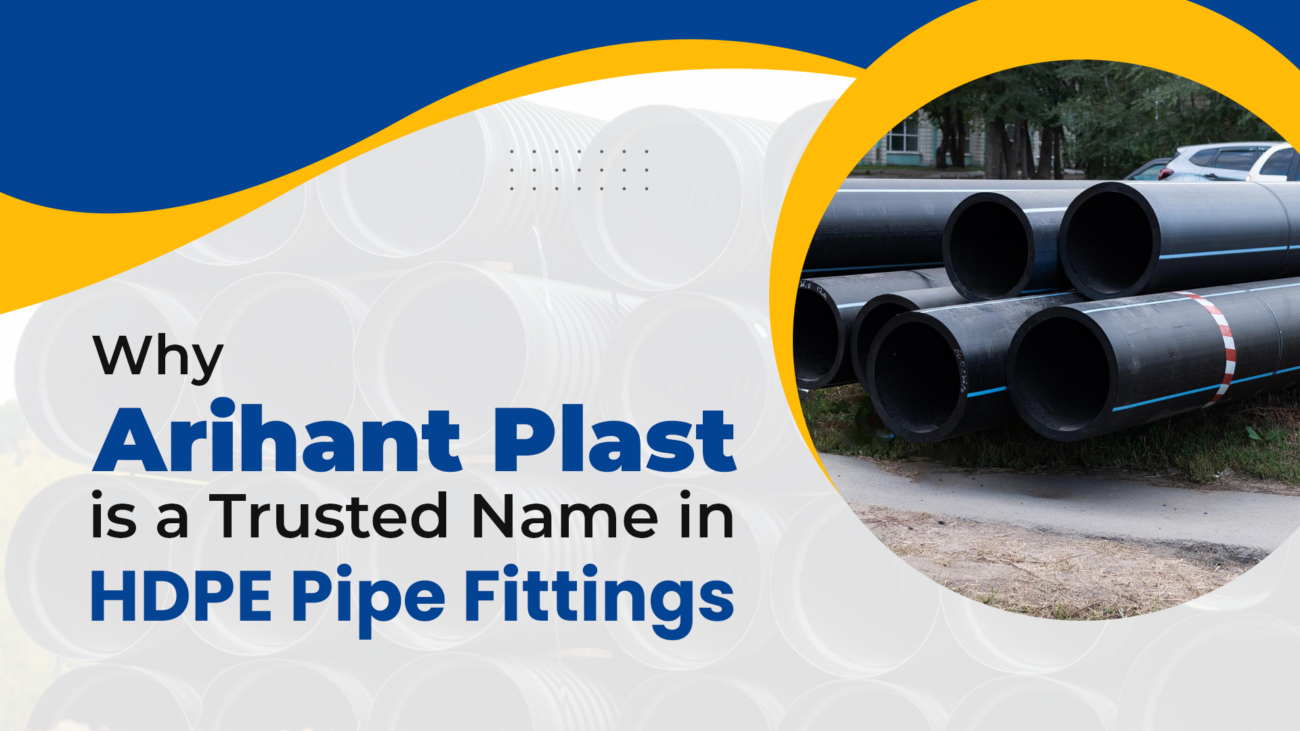
Arihant Plast makes a broad line of HDPE sprinkler pipe fittings that meet the requirements of IS 17425. Our fittings are available in all four pressure classes and sizes, from 20mm to 200mm. We ship directly to farmers, merchants, and irrigation contractors all over India. We have written proof of quality assurance and BIS certification.
If you want to get things for the spring and summer, you should call Arihant Plast early to make sure they have everything you need. At this time, there are less supplies. If you want to know about wholesale prices, visit arihantplast.in or call our customer service.
A lot of people ask these questions
Q1. What size of HDPE pipe should be used for a farm’s sprinkler system?
Ans. Mainlines normally range from 63mm to 110mm, depending on how much flow is needed. Submains are usually between 50 and 63 mm wide, while laterals that go to each sprinkler head are between 20 and 32 mm wide. You should choose the size of the pipes based on how much water they will be moving and how much pressure they will be under.
Q2: Is it acceptable to leave HDPE sprinkler pipes out in the sun all season?
Ans. Yes, but only if they have UV stabilizers in them. For use above ground, make sure the fittings you buy are UV-stabilized.
Q3. How long do sprinkler fittings made of HDPE last?
Ans. HDPE sprinkler fittings will survive at least 10 years if they are made to IS 17425 and cared for appropriately. If you clean and store them correctly during the off-season, many systems will last for 15 to 20 years.
Q4. Can the Indian government help pay for HDPE sprinkler systems with money?
Ans. Yes, PMKSY covers systems that use HDPE pipes and fittings from firms that have been certified by BIS. Call your local agriculture department to find out about the subsidy rates in your state and how to apply.