

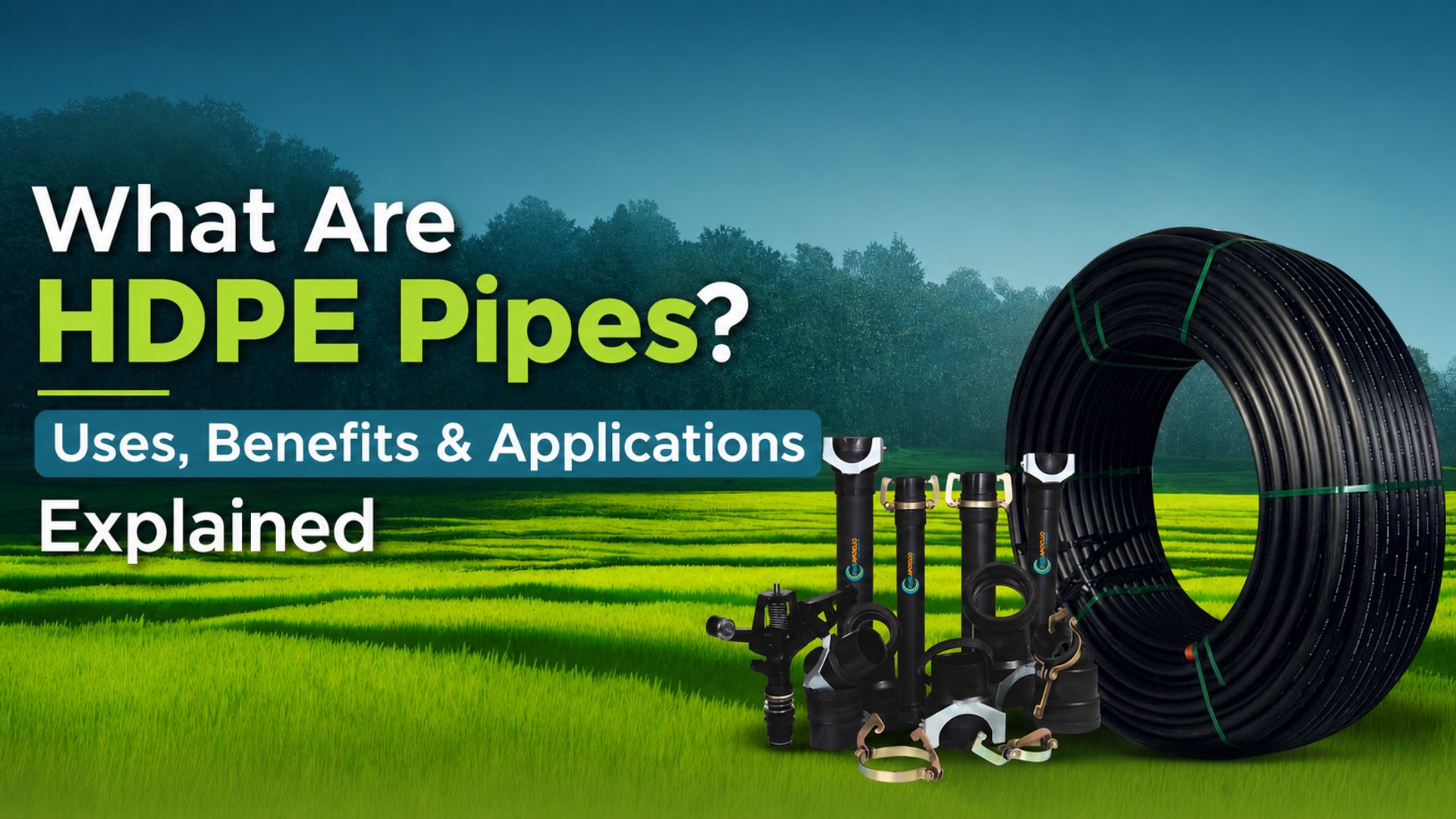
Water travels a surprisingly long way before it reaches your tap, your field, or your factory floor -and the pipe carrying it matters far more than most people stop to think about. For decades, metal and concrete handled that job. These days, a lighter and tougher material has quietly taken over the work: high-density polyethylene, or HDPE.
If you’ve ever wondered what an HDPE pipe actually is, why farmers and builders keep reaching for it, or which fittings hold the whole system together, this guide lays it out in plain language. By the time you finish, you’ll know where these pipes perform best, what to check before you buy, and the small components that make a big difference.
What Exactly Is an HDPE Pipe?
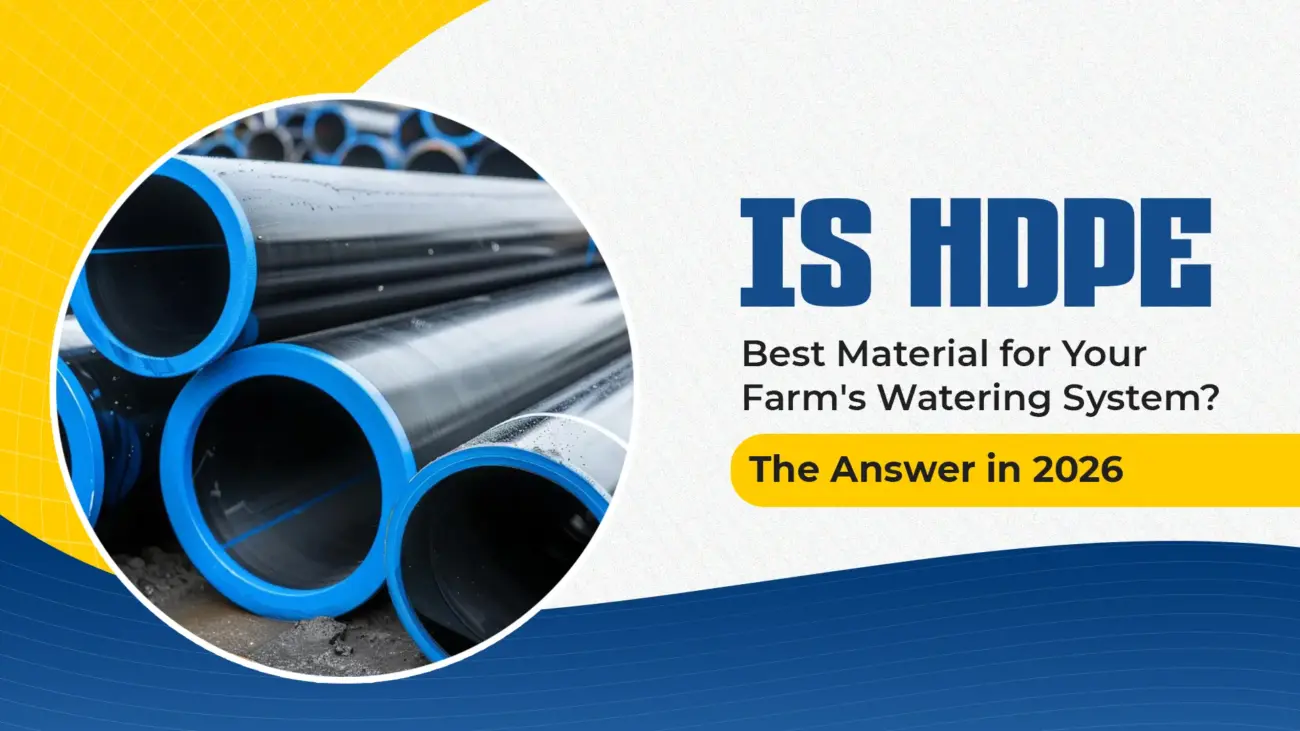
An HDPE pipe is a plastic pipe made from high-density polyethylene, a strong thermoplastic produced from petroleum. It’s prized for being flexible, lightweight, and highly resistant to rust, chemicals, and leaks -which is exactly why it has replaced so many older metal and PVC lines.
What sets it apart is how the material behaves. Instead of cracking under pressure or rusting over time, an HDPE pipe flexes a little and keeps going. The pipes are usually joined by heat-fusing two ends together, which melts them into a single continuous piece. There’s no glue, no threading, and no weak seam where water can sneak out later.
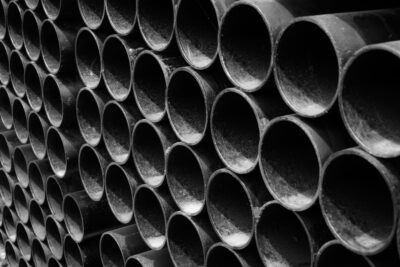
You’ll often see them rated by something called PN, short for pressure nominal. A higher PN number simply means the pipe can handle more internal pressure.
Why HDPE Pipes Have Become the Go-To Choice
People don’t switch materials without good reason. Here’s what’s driving the popularity of the HDPE pipe across so many industries.
Built to Last
A properly installed HDPE pipe can last 50 years or more. It doesn’t corrode, it shrugs off most chemicals, and it isn’t bothered by the minerals in hard water that slowly eat away at metal. For anyone tired of digging up rusted lines every few years, that lifespan alone is worth the switch.
Lightweight and Easy to Handle
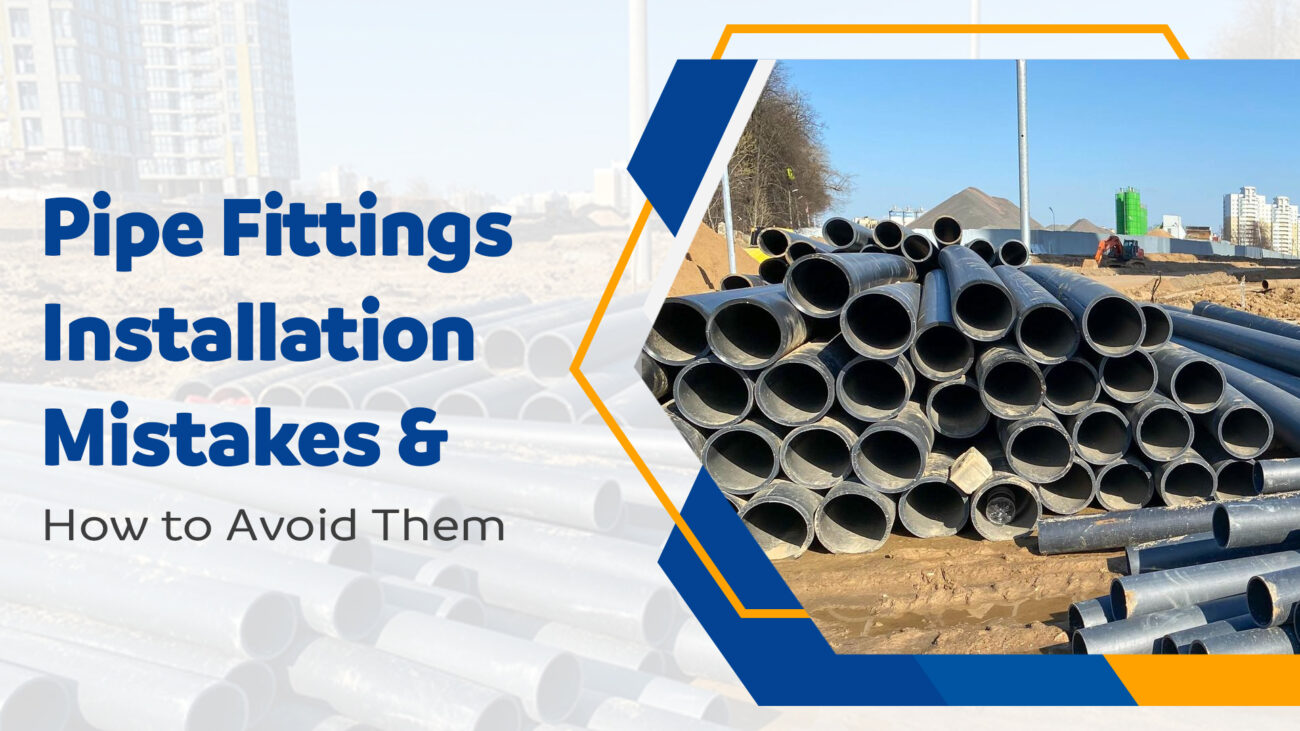
Compared with steel or ductile iron, these pipes are remarkably light. That means lower transport costs, faster installation, and less heavy lifting on site. A crew can lay long stretches in a single day, especially since the pipe comes in coils for smaller diameters.
Leak-Free Joints
Because the connections are fused rather than glued or clamped, the joints are often stronger than the pipe itself. Fewer leak points means less wasted water and fewer expensive callbacks down the line.
Flexible and Crack-Resistant
HDPE bends. When the ground shifts, freezes, or settles, the pipe moves with it instead of snapping. That flexibility is a big deal in earthquake-prone regions and in soil that expands and contracts with the seasons.
Where HDPE Pipes Are Used Every Day
The range here is wider than most people expect. A single HDPE pipe could be carrying drinking water in one neighbourhood and natural gas in the next.
Water Supply and Distribution
This is the most common use. Municipal water networks, building plumbing, and rural supply schemes all rely heavily on HDPE because it’s safe for potable water and won’t contaminate it.
Agriculture and Irrigation
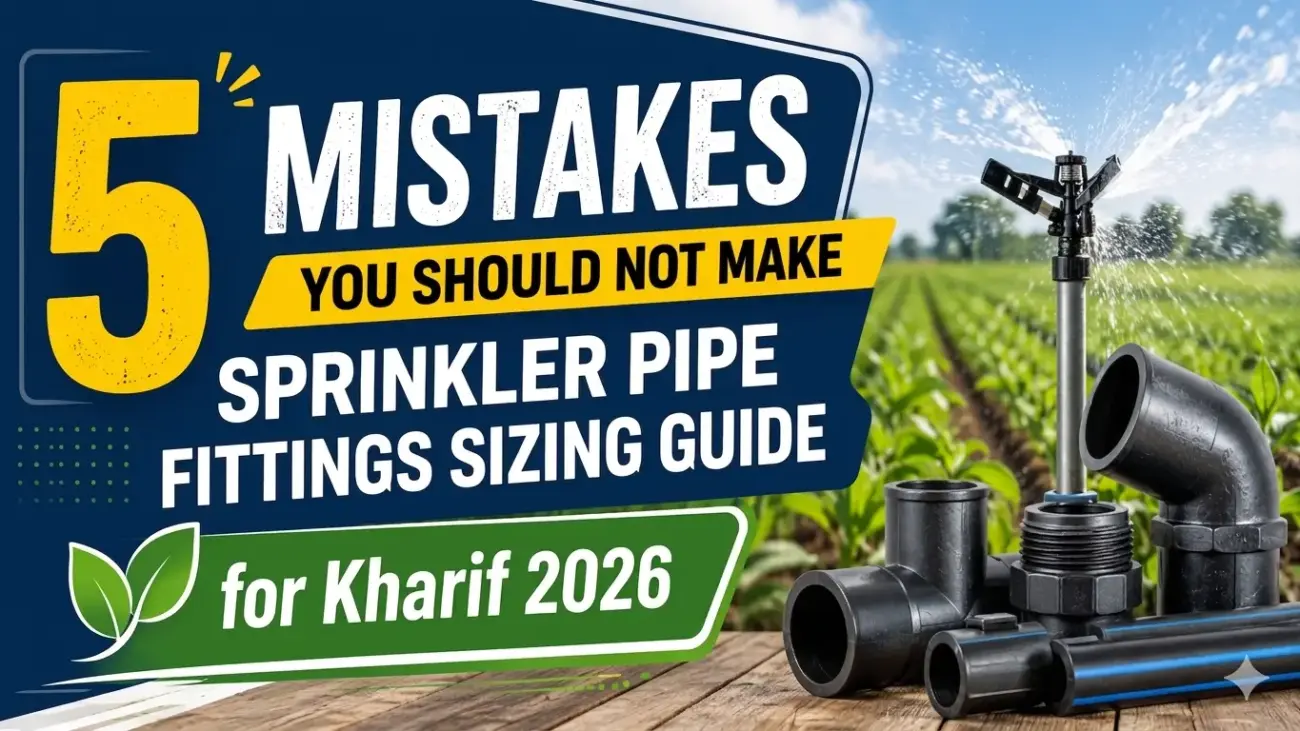
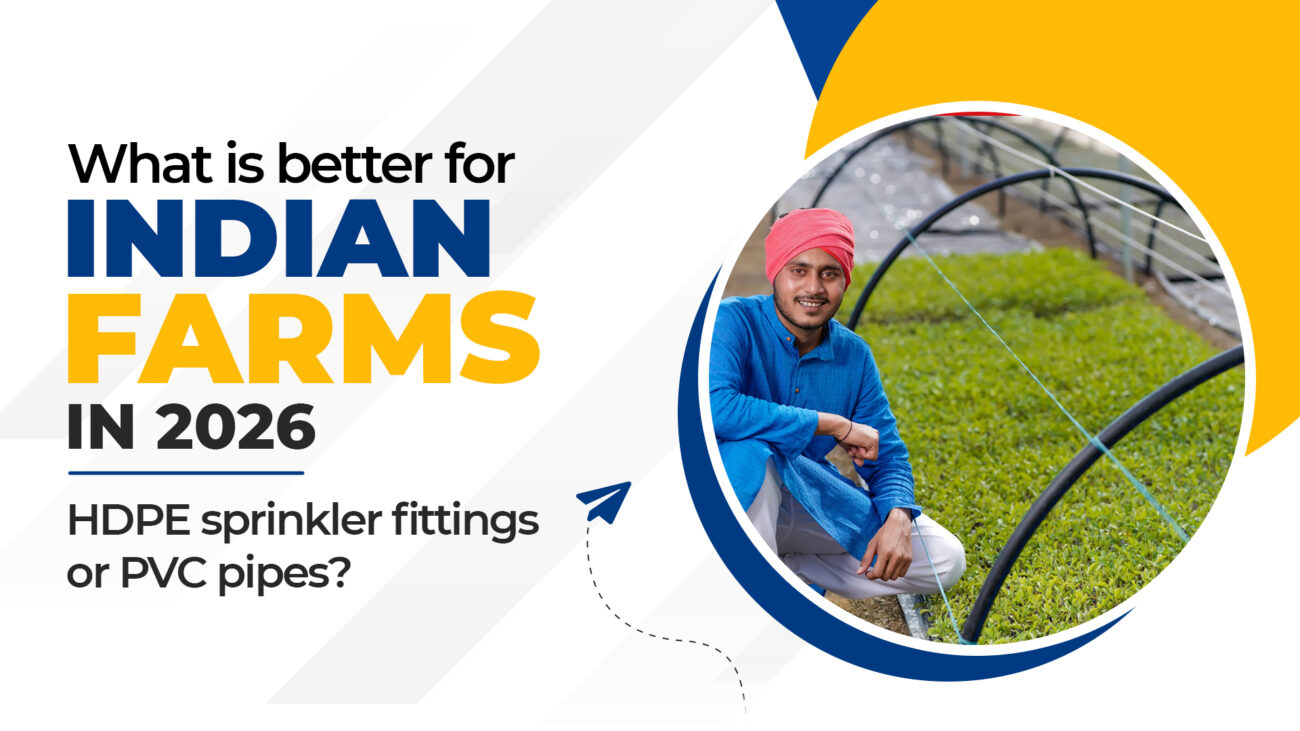
Farmers love it. From main supply lines to sprinkler systems, HDPE handles the job in tough field conditions. Paired with the right HDPE Sprinkler Fittings, growers can build efficient watering networks that spread water evenly and waste very little -a real advantage in dry regions like rajasthan..
Gas, Mining, and Industrial Use
HDPE pipe is widely approved for carrying natural gas safely underground. It also moves slurry in mining operations and handles chemicals in industrial plants, thanks to its resistance to corrosive substances.
A Quick Guide to HDPE Pipe Fittings
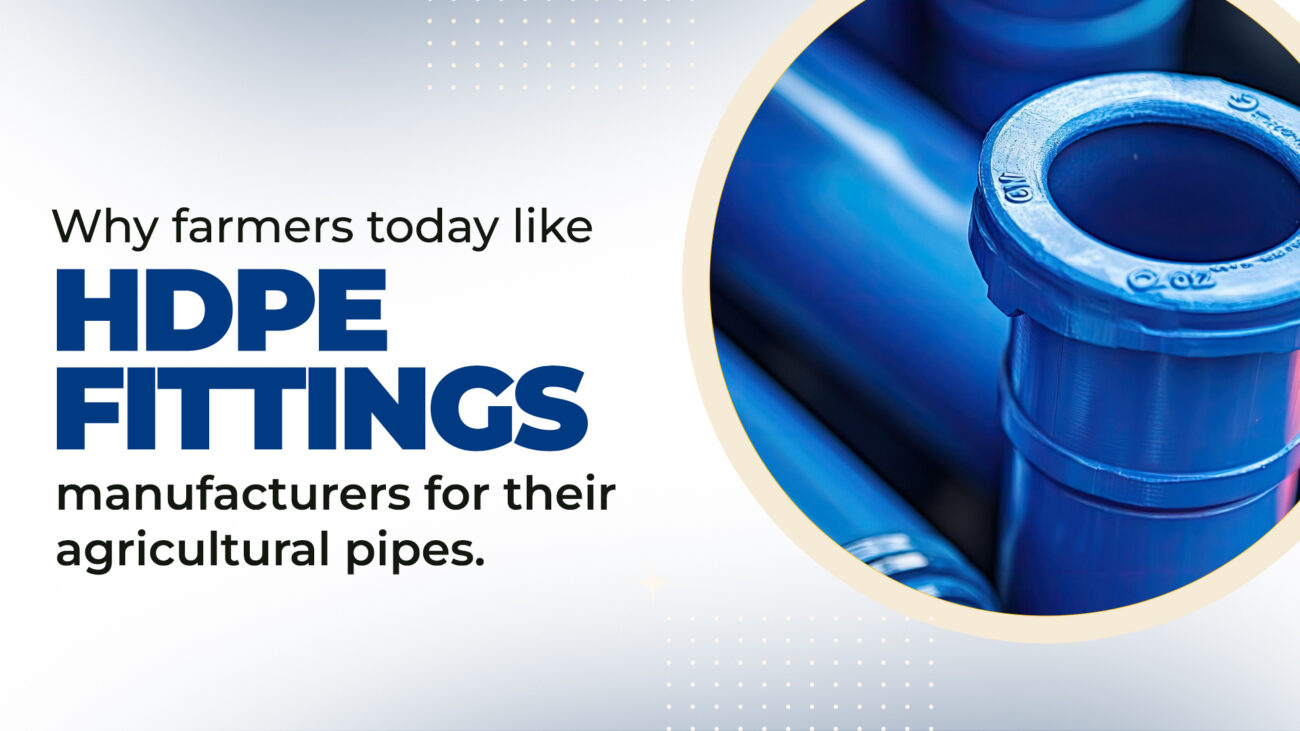
A pipe on its own only gets you so far. To turn straight lengths into a working network, you need connectors, bends, and joints. This is where hdpe pipe fittings come in -the parts that branch, seal, and redirect the flow.
Choosing the right fitting matters just as much as choosing the right pipe. Here are the three types you’ll run into most often.
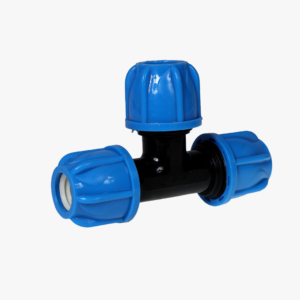
HDPE Sprinkler Fittings
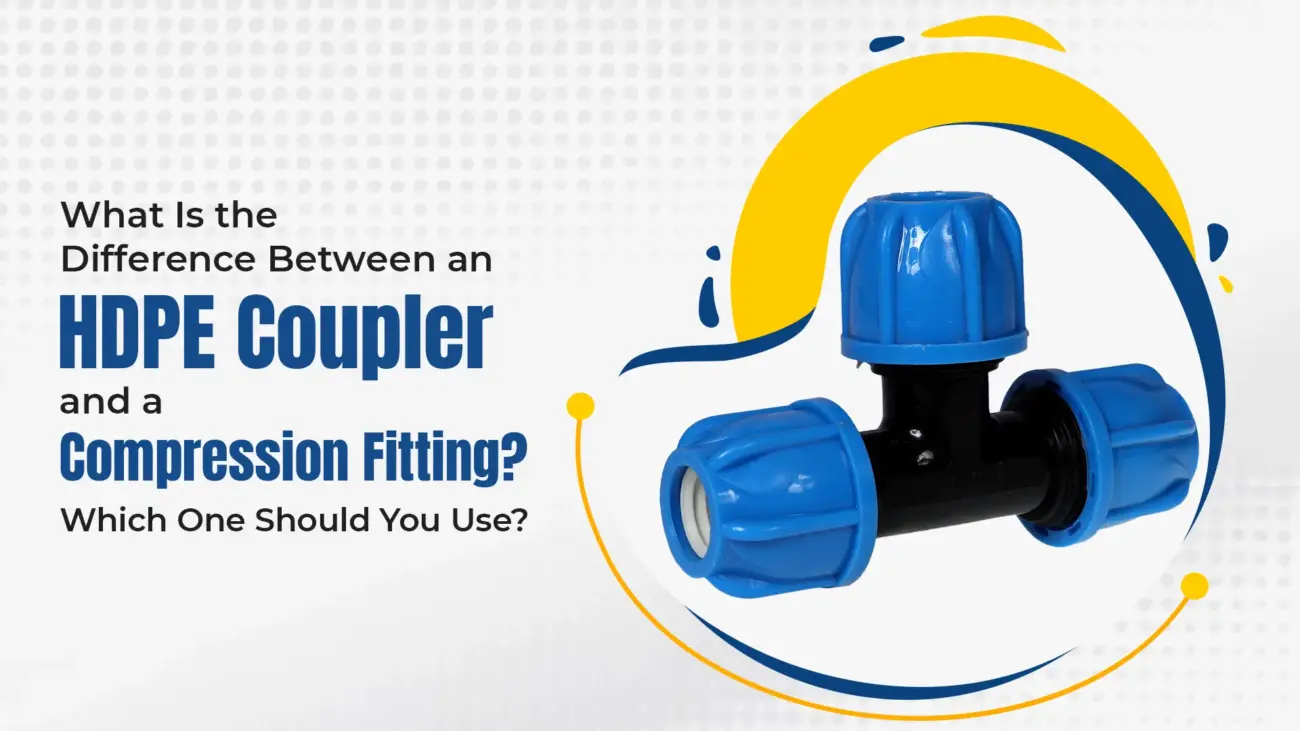
As the name suggests, these are built for irrigation and sprinkler setups. HDPE Sprinkler Fittings connect pipes to sprinkler heads and lateral lines, making it easy to assemble and adjust a watering system without specialist tools. They’re a favourite on farms and large gardens because they’re quick to fit and easy to repair.
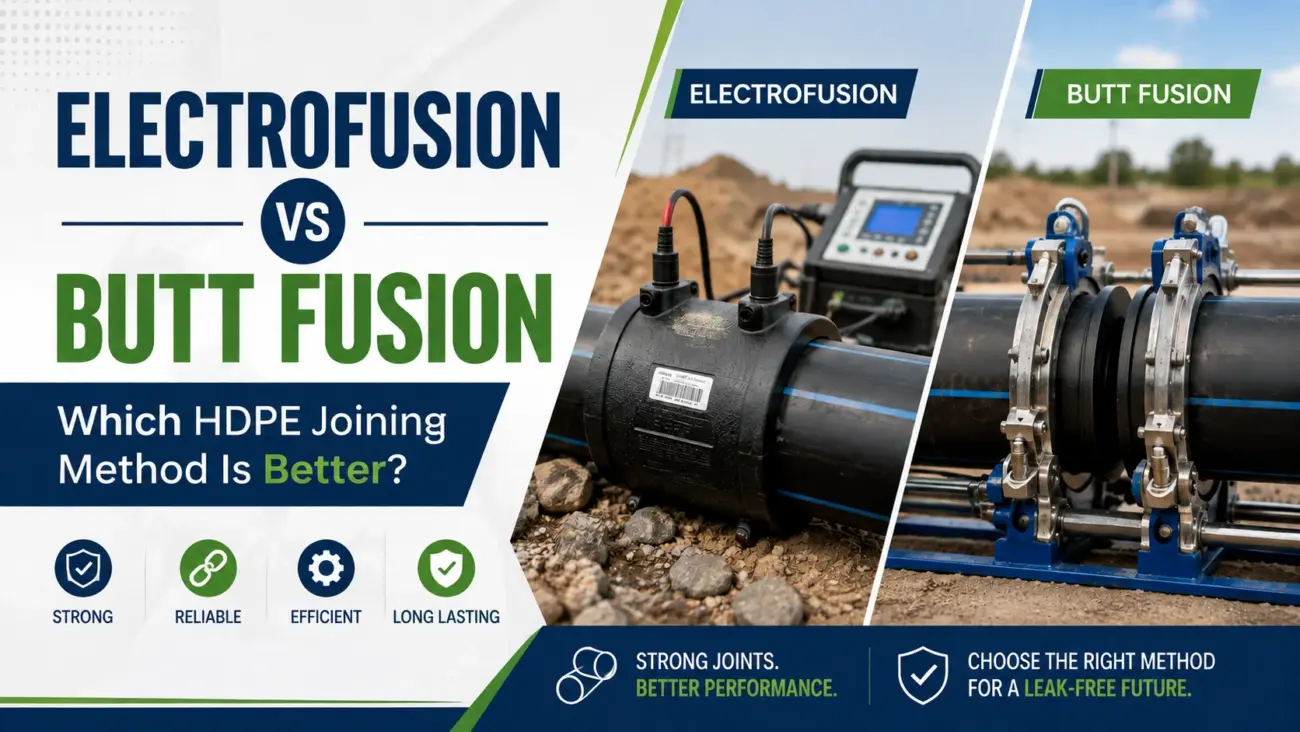
HDPE Electrofusion Fittings
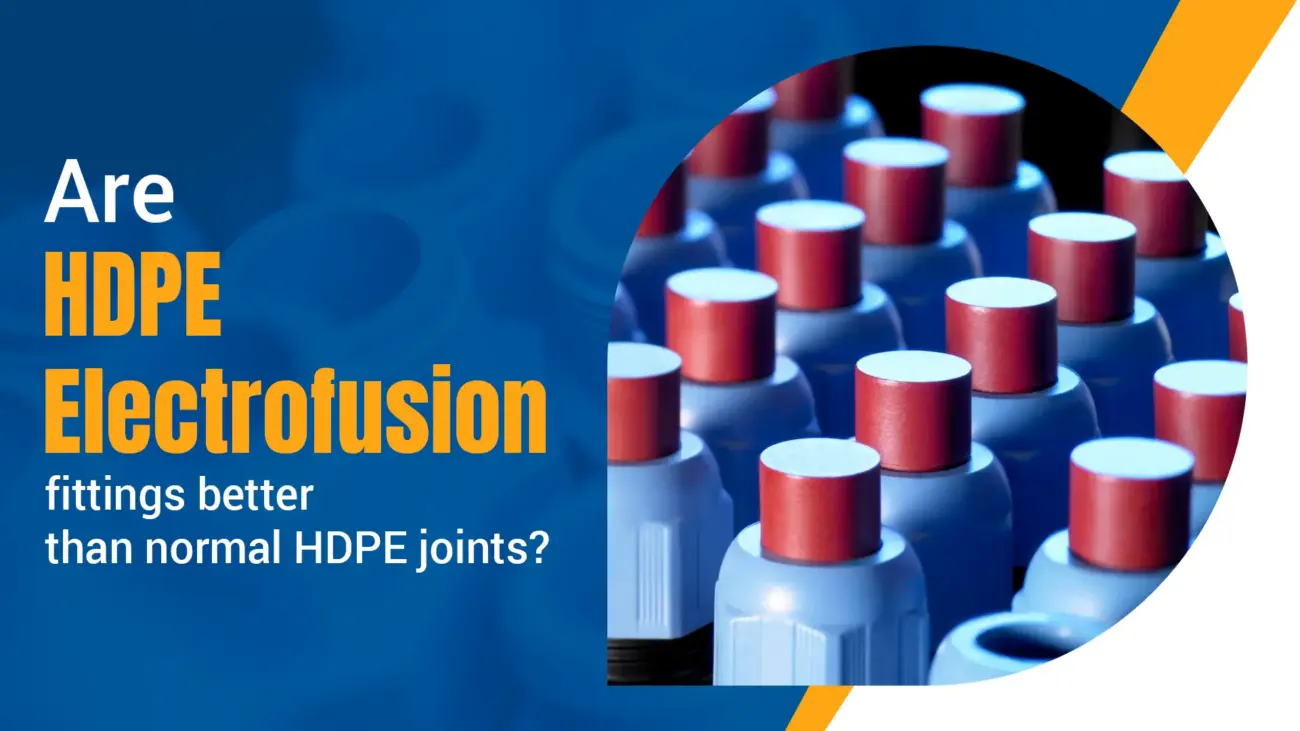
These are the premium option for high-integrity joints. HDPE electrofusion fittings have a heating coil built into them. Once the pipe is inserted, a small electric current heats the coil, melting the plastic and fusing the fitting and pipe into one solid bond. They’re widely used for gas lines and critical water mains where a leak simply isn’t an option.
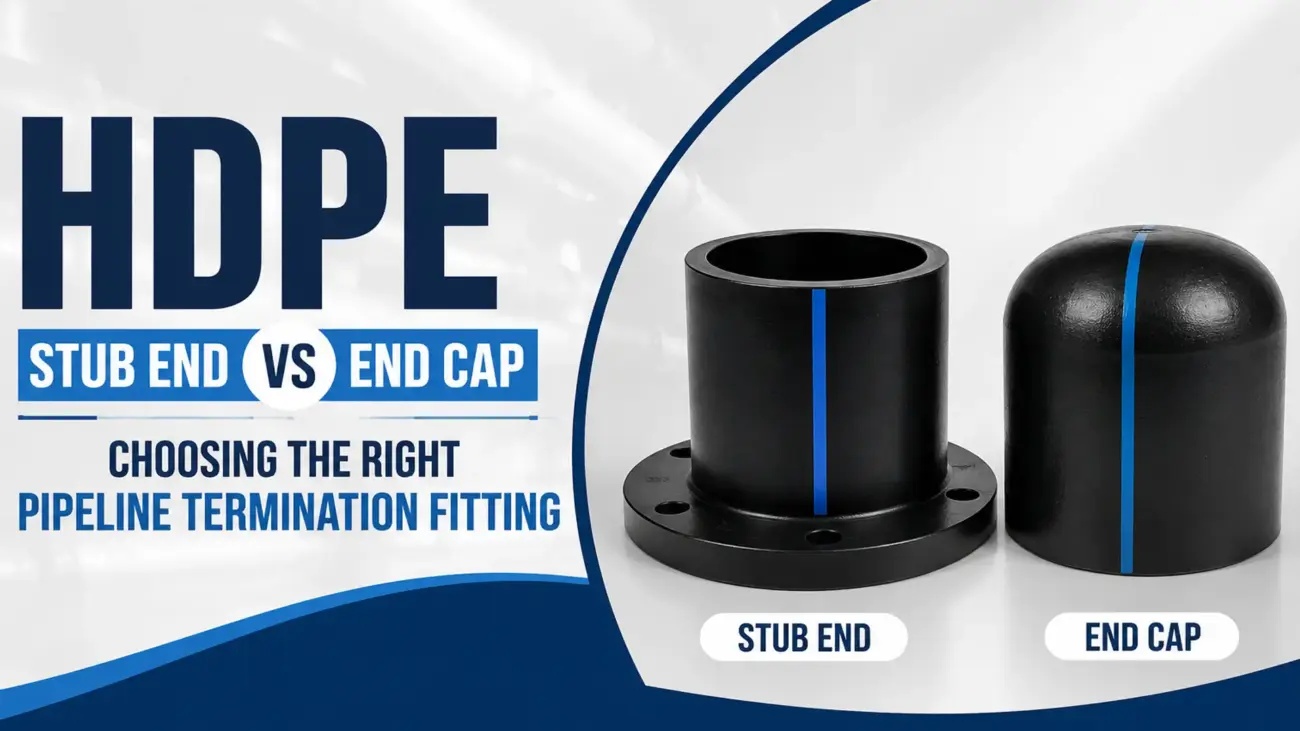
HDPE Spigot Fittings
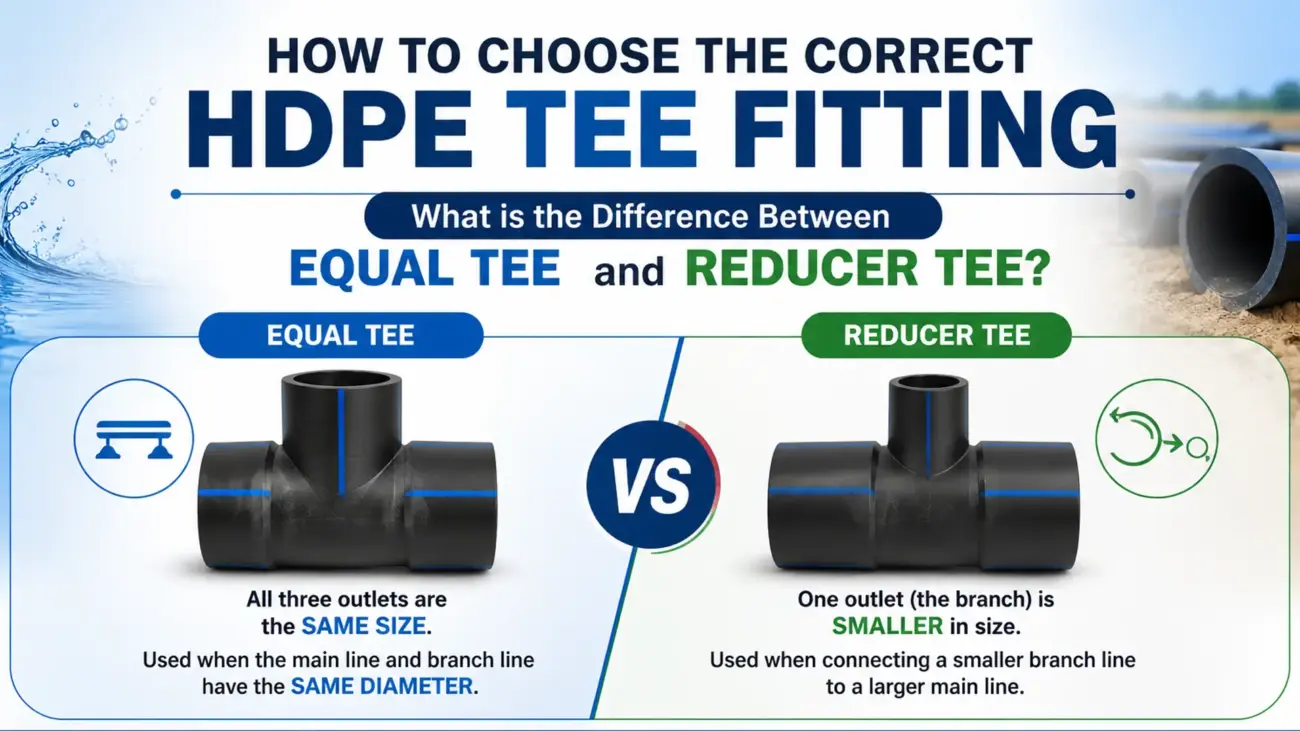
HDPE Spigot Fittings have a plain, extended end that’s designed to be butt-fused or socket-fused directly to the pipe. They’re a common choice for larger-diameter projects and give installers a clean, reliable connection for elbows, tees, and reducers.
Quick tip: Match the fitting’s pressure rating to your pipe. A high-pressure line deserves a fitting rated for the same load, or the joint becomes the weak link.
How to Pick the Right HDPE Pipe
A little planning saves a lot of headaches. Before you order, run through these basics:
- Pressure rating (PN): Higher pressure systems need a higher PN value.
- Diameter: Match the size to the flow you need -too narrow and you choke the system, too wide and you overspend.
- Application: Drinking water, irrigation, and gas each have their own grade and certification, so confirm the pipe is approved for your specific use.
- Fittings: Decide early whether you’ll use electrofusion, spigot, or sprinkler fittings, since that affects what pipe ends you’ll need.
Frequently Asked Questions
1.How long does an HDPE pipe last?
A well-installed HDPE pipe typically lasts 50 years or longer. Because it doesn’t rust or corrode, it usually outlives metal and PVC alternatives by a wide margin.
2.Is HDPE pipe safe for drinking water?
Yes. Pipes made and certified for potable water are non-toxic and won’t leach harmful substances, which is why they’re used in municipal supply networks worldwide.
3.What’s the difference between electrofusion and spigot fittings?
HDPE electrofusion fittings use a built-in heating coil to fuse the joint with an electric current, while HDPE Spigot Fittings are fused directly to the pipe by heating both ends. Electrofusion is favoured for gas and critical lines; spigot fittings are popular for larger projects.
4.Can HDPE pipe be used for irrigation?
Absolutely. It’s one of the most popular materials for farms and gardens, especially when paired with HDPE Sprinkler Fittings for an efficient, even watering system.
5.Does HDPE pipe crack in cold weather?
It handles cold far better than rigid pipes. Its flexibility lets it expand and contract with temperature swings instead of cracking.
Conclusion
From city water mains to farm sprinklers, the HDPE pipe has earned its reputation as a durable, leak-resistant, and cost-effective choice. Pair it with the right hdpe pipe fittings -whether that’s sprinkler, electrofusion, or spigot -and you’ve got a system built to last for decades.
Ready to plan your next project? Get in touch with our team today for expert guidance on the right HDPE pipes and fittings for your needs.