

Most people only notice plumbing when something goes wrong. A leaking joint, low water pressure, or a broken connection often sends us searching for quick fixes. Yet behind every reliable plumbing system lies a network of pipe fittings quietly doing the heavy lifting. These small but essential components connect, direct, and control the flow of water across homes, farms, and industries.
In this blog, we’ll break down what pipe fittings are, why they matter, and how modern solutions like HDPE fittings are reshaping plumbing and irrigation systems. Whether you’re a homeowner or a professional, this guide will help you understand the building blocks of dependable pipelines.
What Are Pipe Fittings and Why Do They Matter?
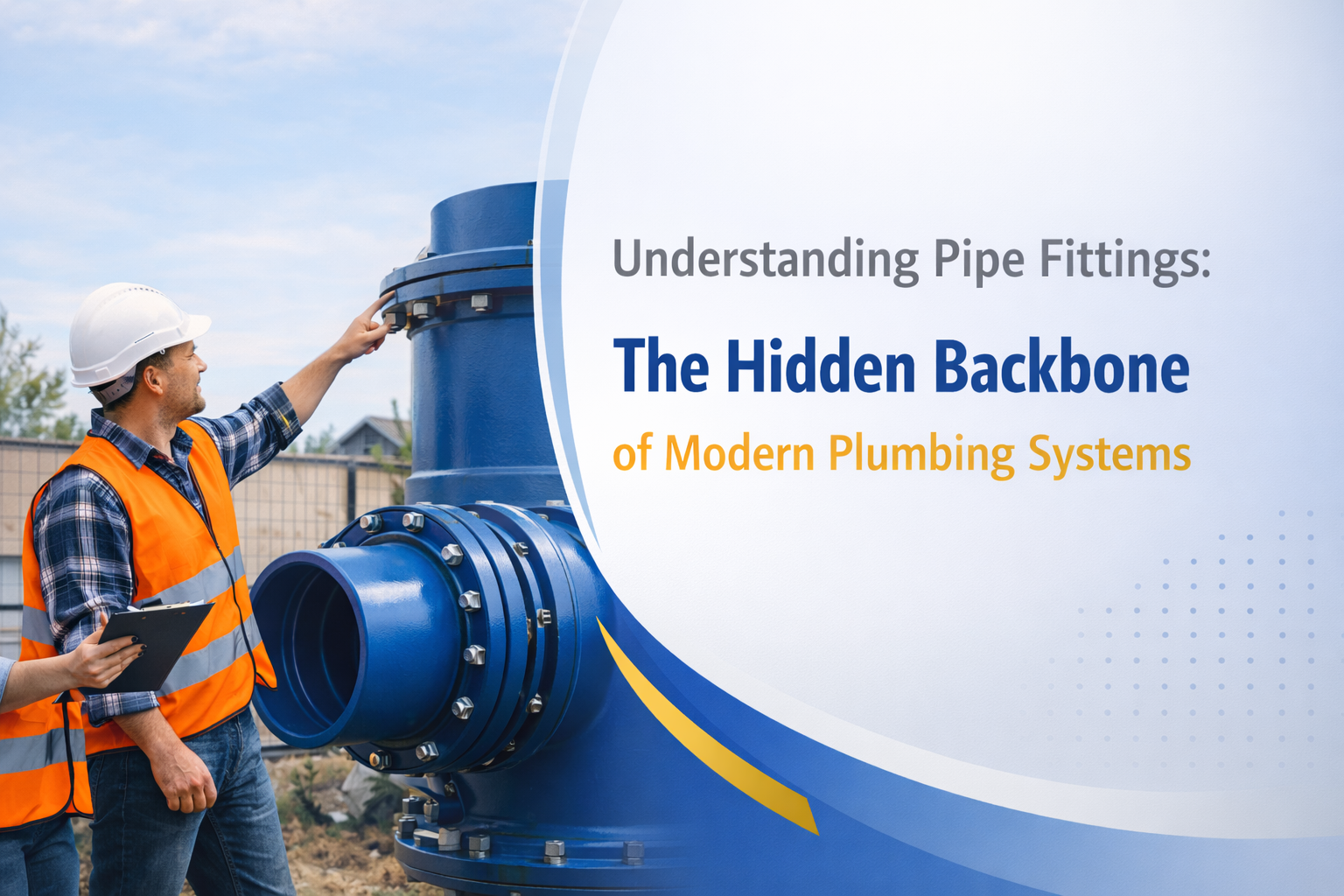
Pipe fittings are components used to connect pipes, change direction, regulate flow, or seal pipeline ends. Without them, plumbing systems would be rigid, unreliable, and impossible to adapt to real world layouts.
Image Source – Freepik
They play a vital role in:
- Ensuring leak proof connections
- Managing pressure and flow direction
- Allowing system expansion or modification
In modern plumbing, the quality and compatibility of pipe fittings directly impact system lifespan and performance.
Types of Pipe Fittings Used in Modern Plumbing
HDPE Pipe Fittings for Water and Irrigation Systems
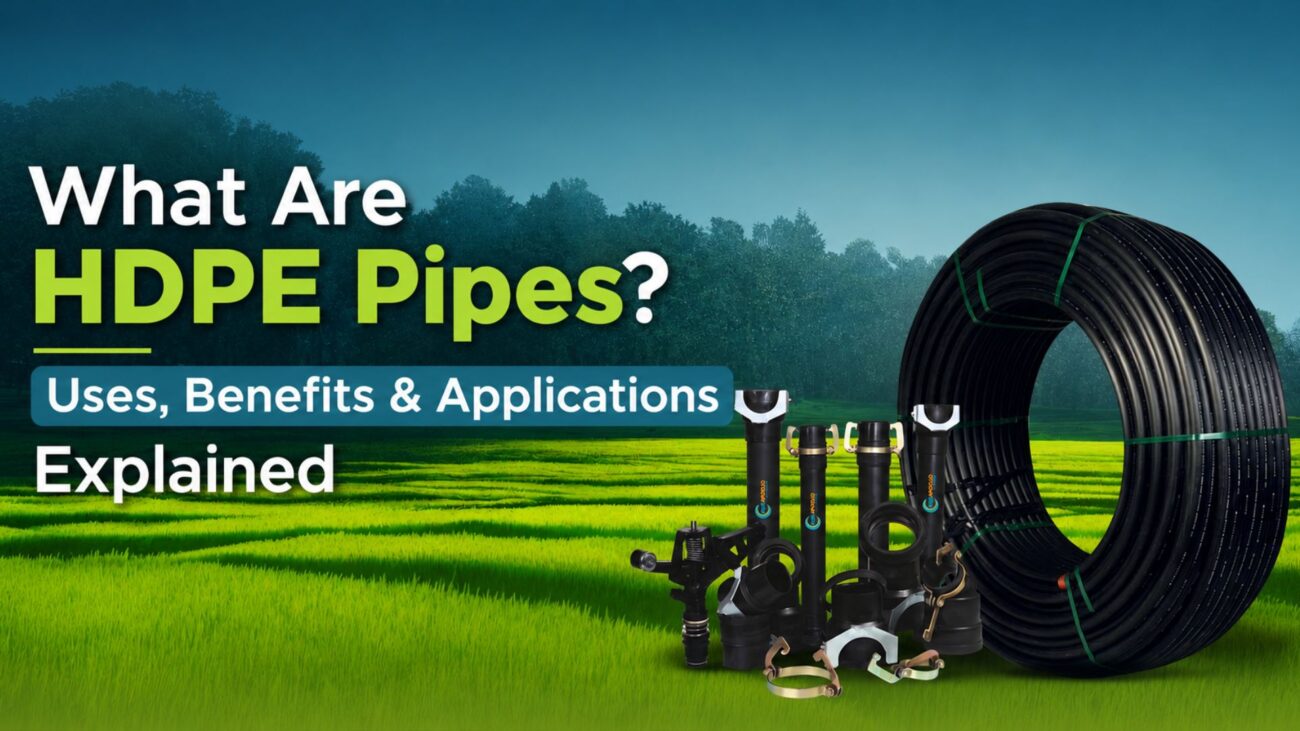
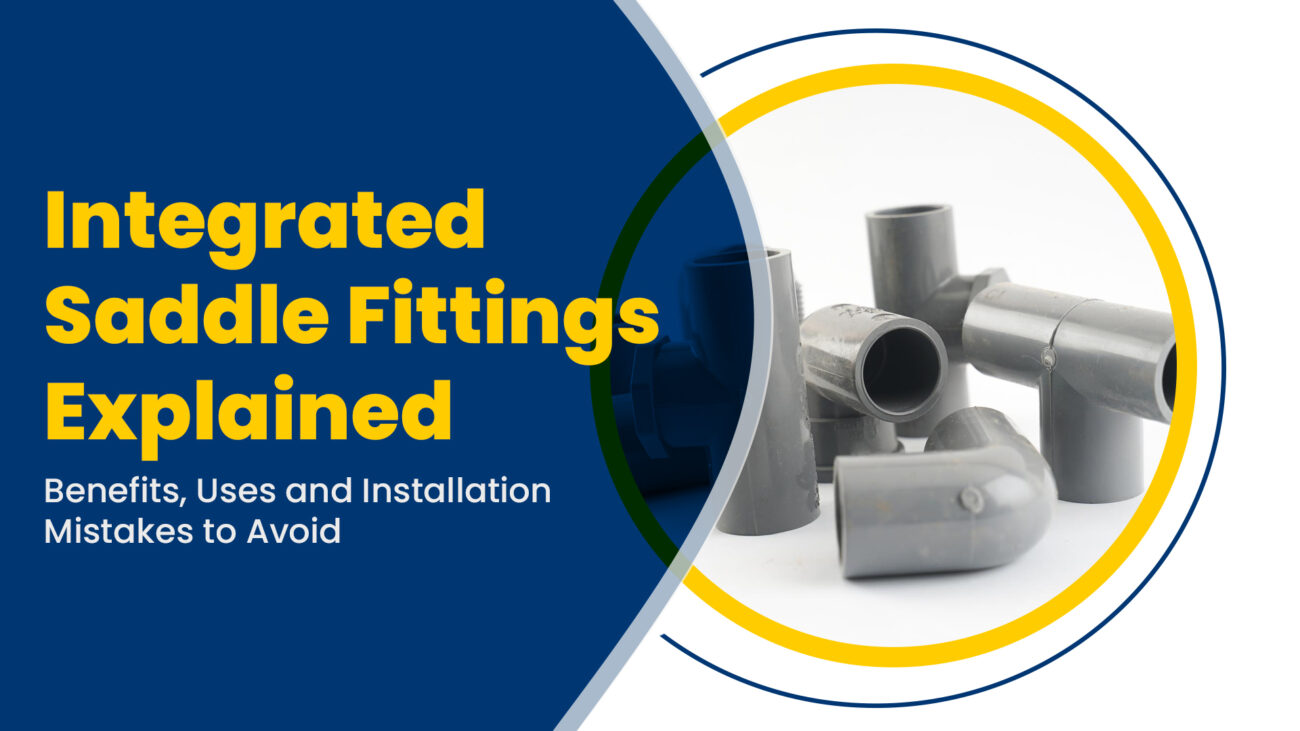
High Density Polyethylene (HDPE) fittings have become a preferred choice due to their flexibility, corrosion resistance, and long service life. They are widely used in municipal water supply, agriculture, and industrial pipelines.
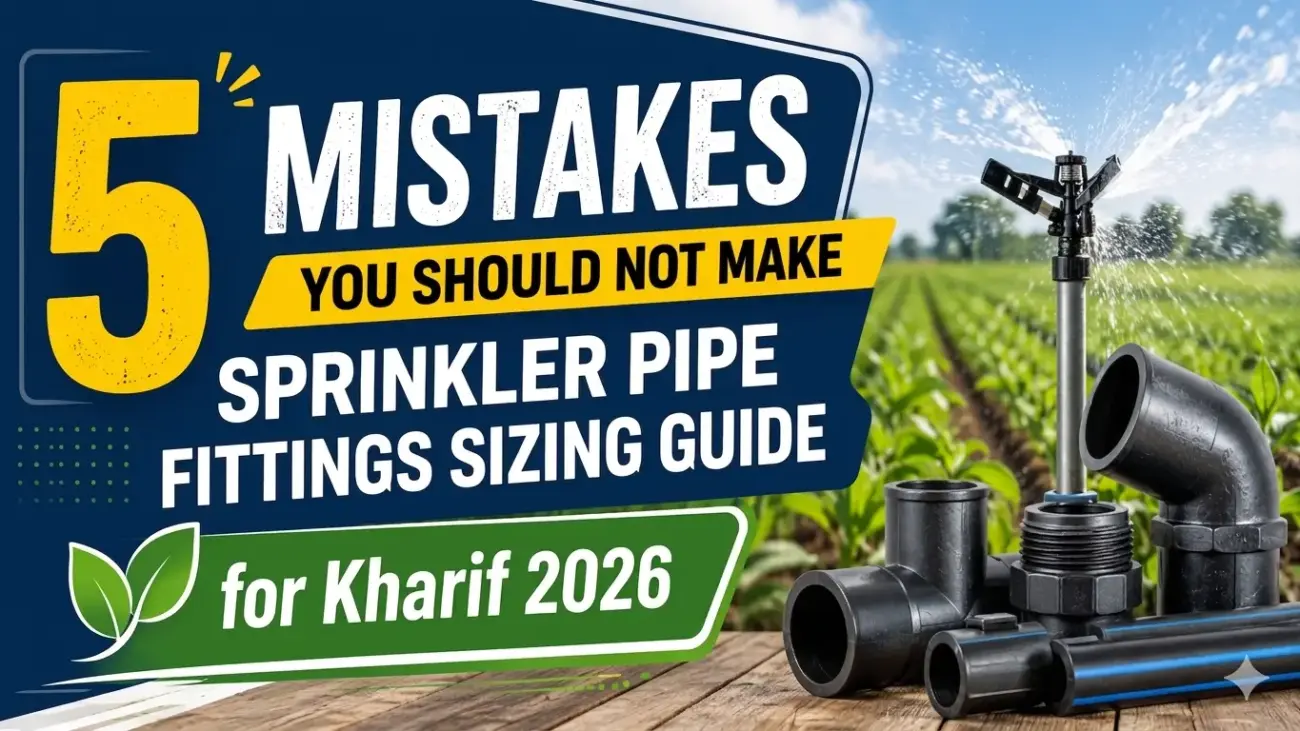
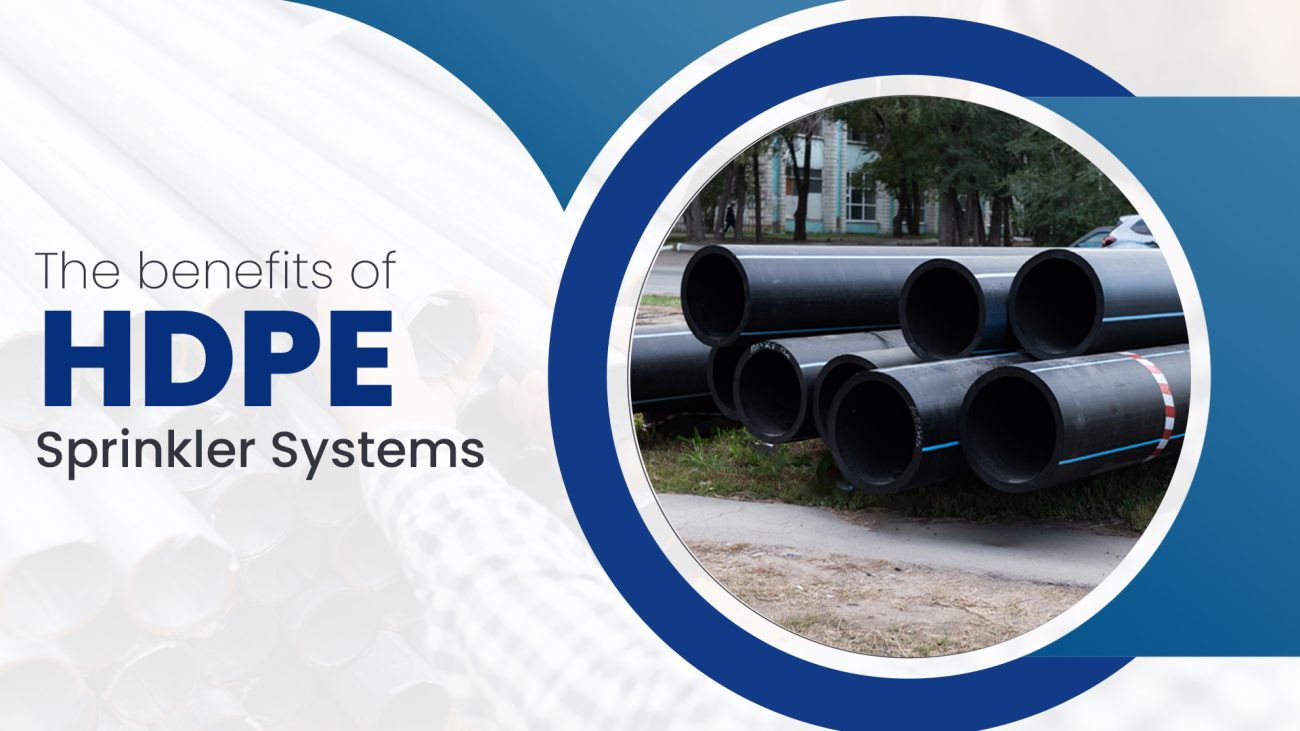
Popular options include HDPE Sprinkler Fittings for irrigation systems and HDPE Spigot Fittings for secure pipe connections.
Role of Brass Ferrules in Secure Connections
Brass ferrules are commonly used to create tight, leak-proof joints between pipes and fittings. Their durability and resistance to corrosion make them ideal for water supply connections where reliability is essential.
Duct Fittings in Plumbing and Infrastructure
Though often associated with ventilation, duct fittings are also used in specialized plumbing and infrastructure systems to manage airflow or fluid movement in complex layouts.
Common HDPE Pipe Fittings and Their Applications
HDPE Coupler, Elbow, Tee, and Stub End Explained
Some of the most widely used HDPE fittings include:
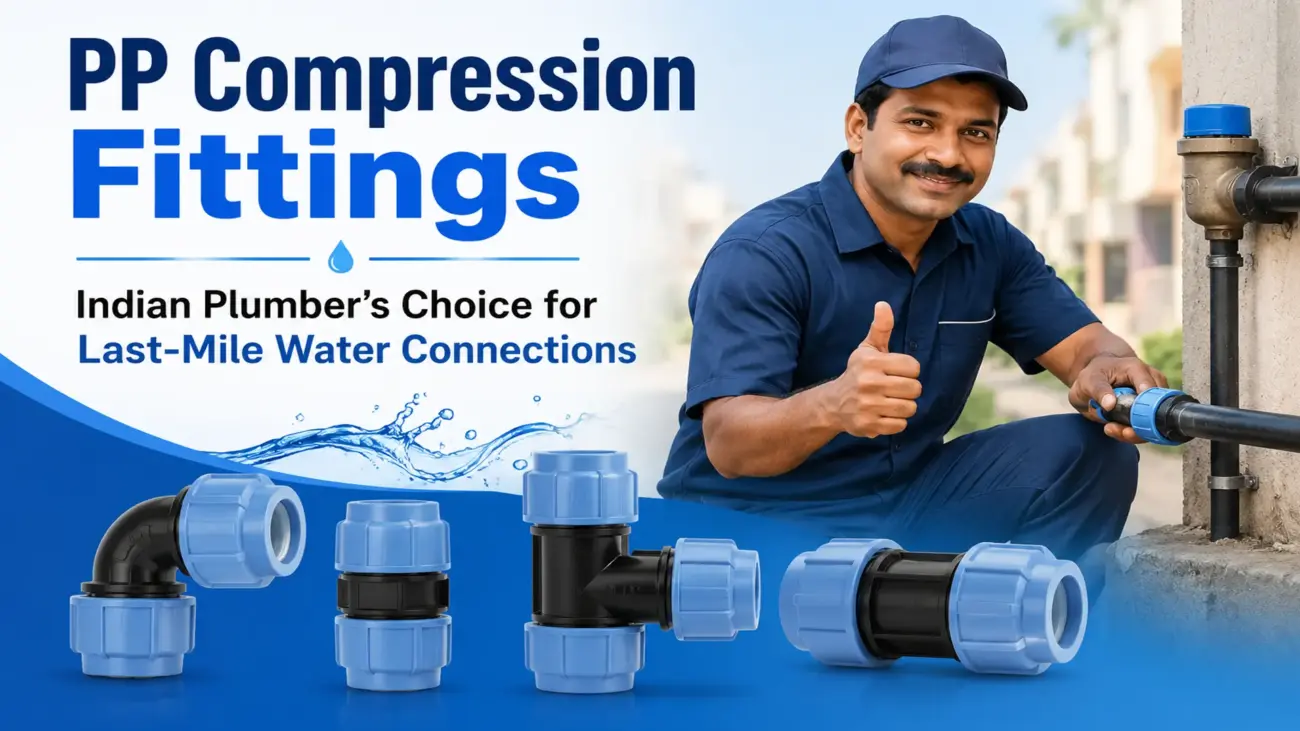
- HDPE COUPLER: Joins two pipes of the same diameter
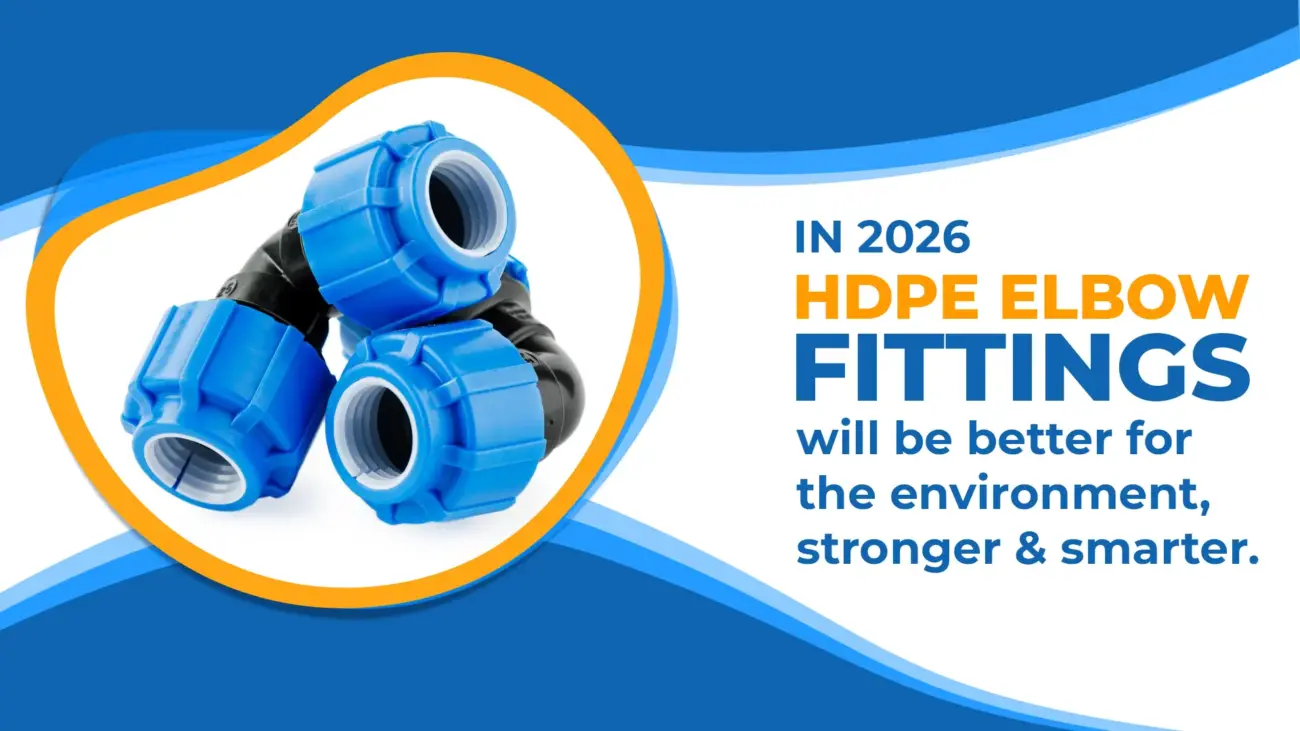
- HDPE elbow: Changes flow direction, typically at 45° or 90°
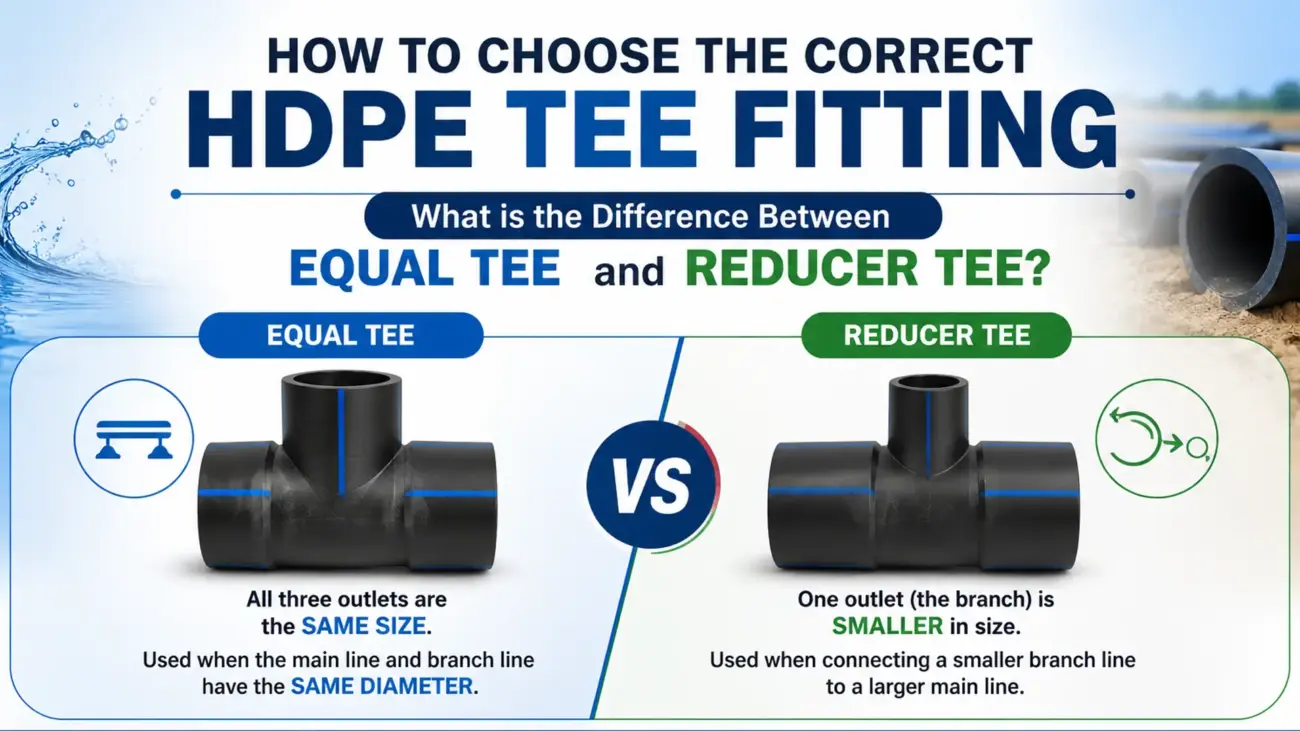
- HDPE TEE: Splits or combines flow into multiple directions
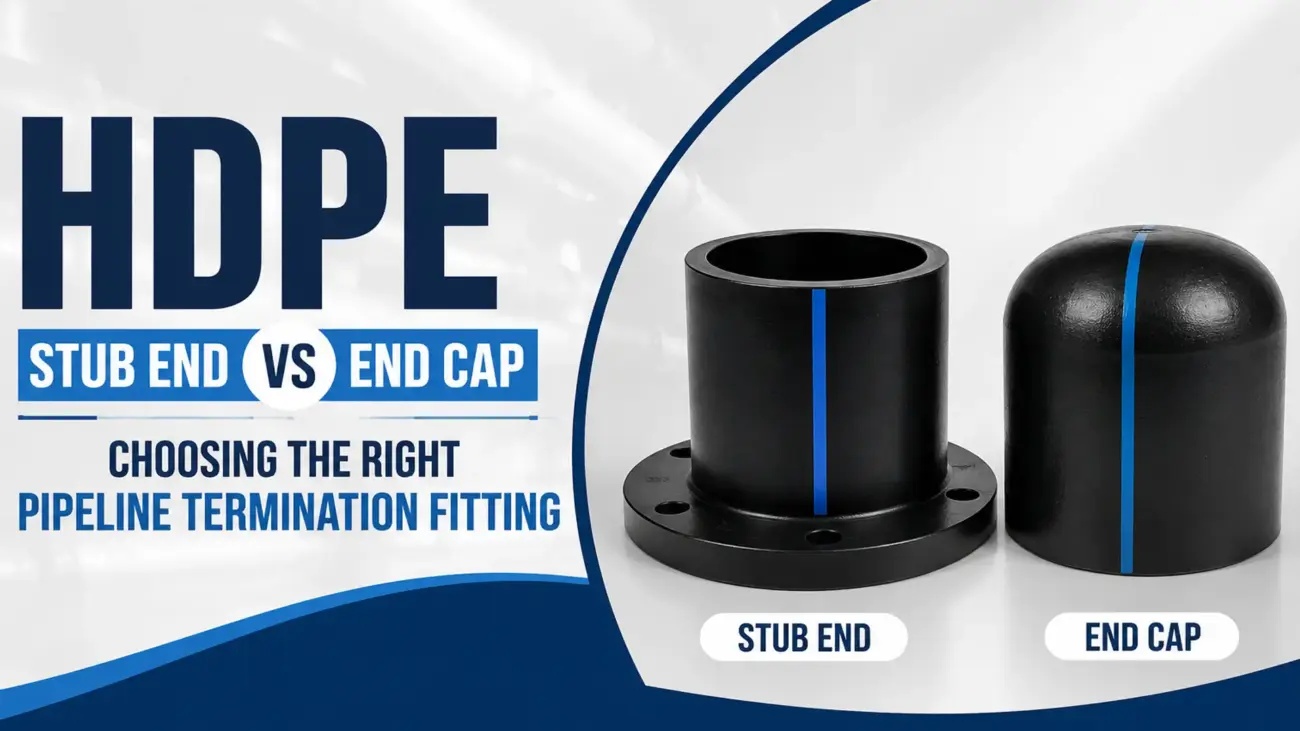
- HDPE STUB END: Used with flanges for easy assembly and disassembly
These fittings provide flexibility and strength across diverse applications.

Image Source -Freepik
HDPE End Cap and Integrated Saddle Uses
HDPE END CAP seals the end of a pipeline securely
Integrated saddle allows branch connections without cutting the main pipeline
Both are essential in irrigation and distribution systems where modifications are frequent.
HDPE Spigot Fittings and Sprinkler Systems
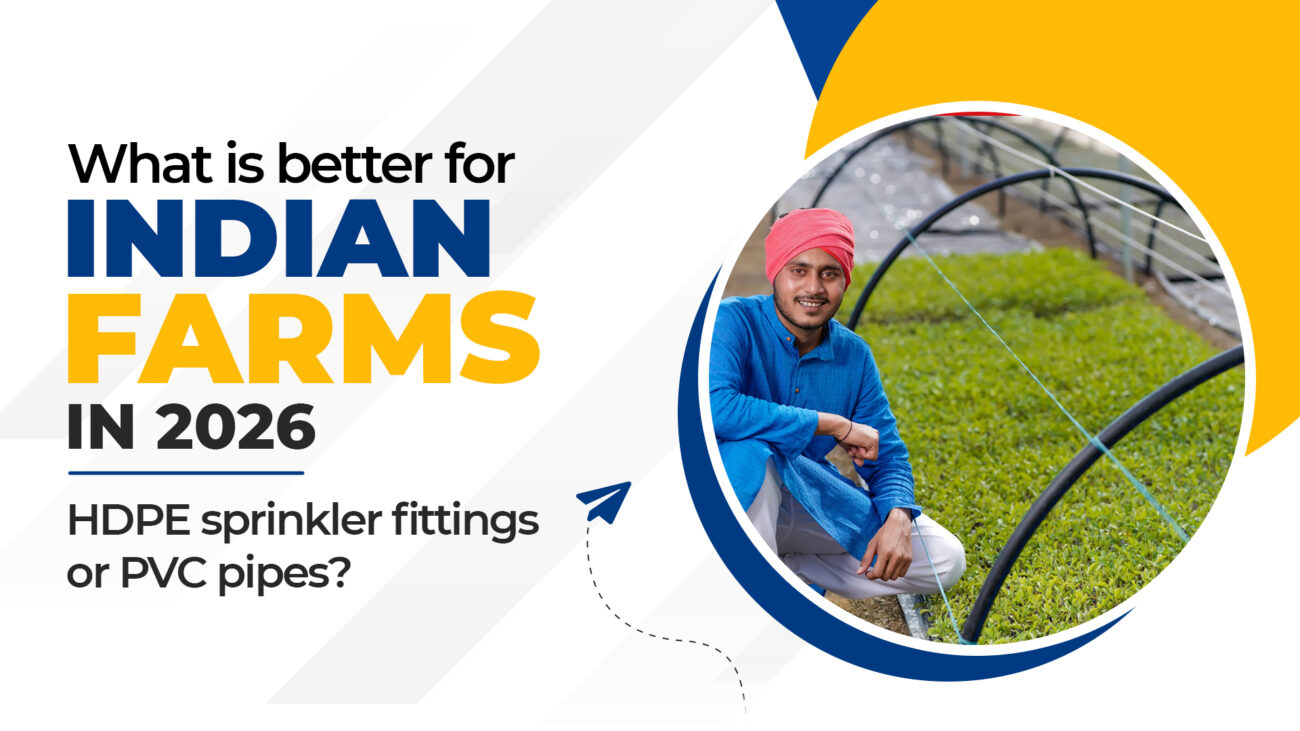
In agriculture, HDPE Sprinkler Fittings ensure even water distribution, while spigot fittings offer strong, long-lasting joints ideal for buried pipelines.
Why HDPE Pipe Fittings Are Dominating Modern Plumbing
HDPE pipe fittings are gaining popularity because they offer:
- High resistance to corrosion and chemicals
- Lightweight design for easy installation
- Long service life with minimal maintenance
- Excellent performance under pressure
These advantages make HDPE fittings a smart choice for both residential and large-scale infrastructure projects.
How to Choose the Right Pipe Fittings for Your Project
When selecting pipe fittings, consider:
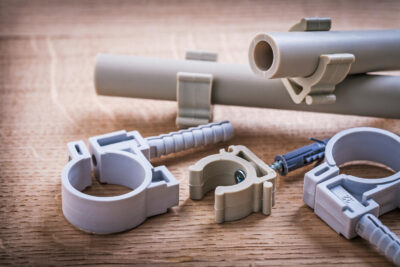
Image Source – Freepik
- Pipe material compatibility
- Pressure and temperature requirements
- Application type (plumbing, irrigation, industrial)
- Ease of installation and maintenance
Choosing the right fittings ensures system efficiency and prevents future failures.
Conclusion
Pipe fittings may not be visible, but they are the true backbone of modern plumbing systems. From HDPE couplers and elbows to brass ferrules and integrated saddles, each component plays a vital role in keeping water flowing smoothly. Understanding how these fittings work helps you build safer, stronger, and more efficient systems.
If you’re planning a plumbing or irrigation project, explore quality pipe fittings designed for durability and performance. A well chosen fitting today can save years of repairs tomorrow.