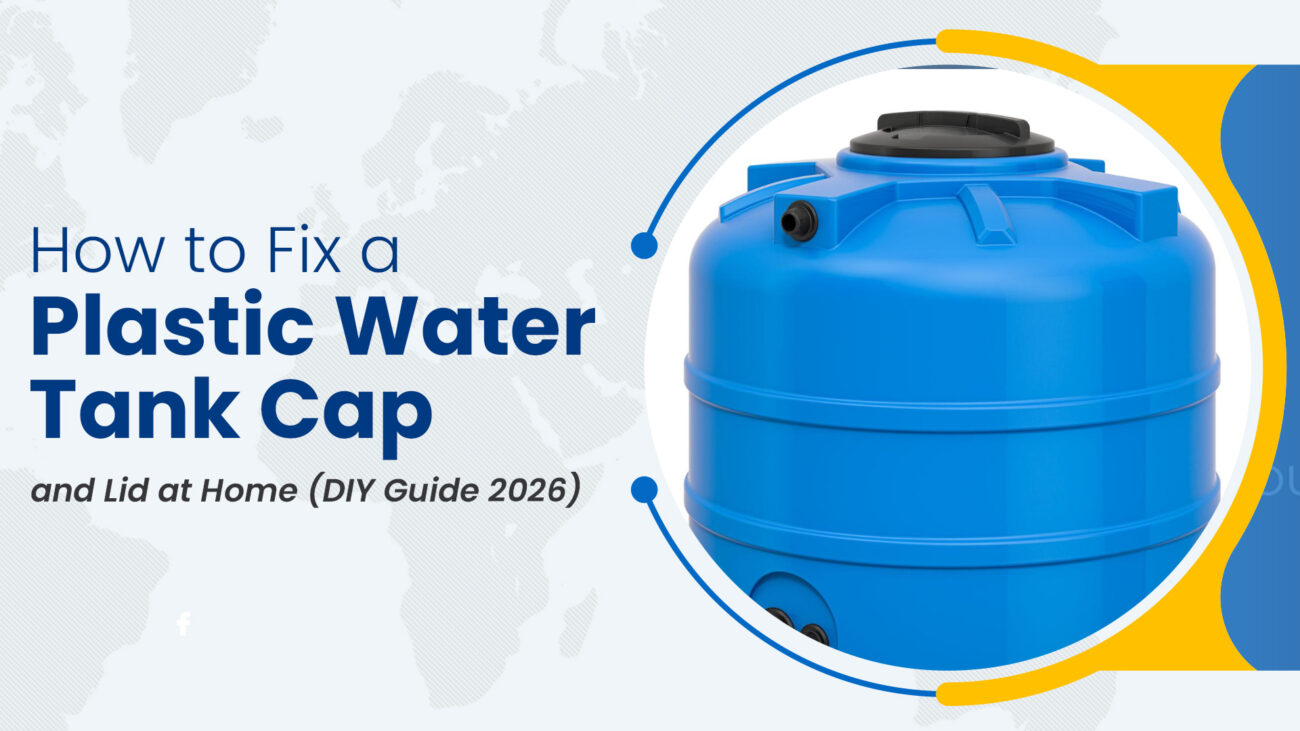


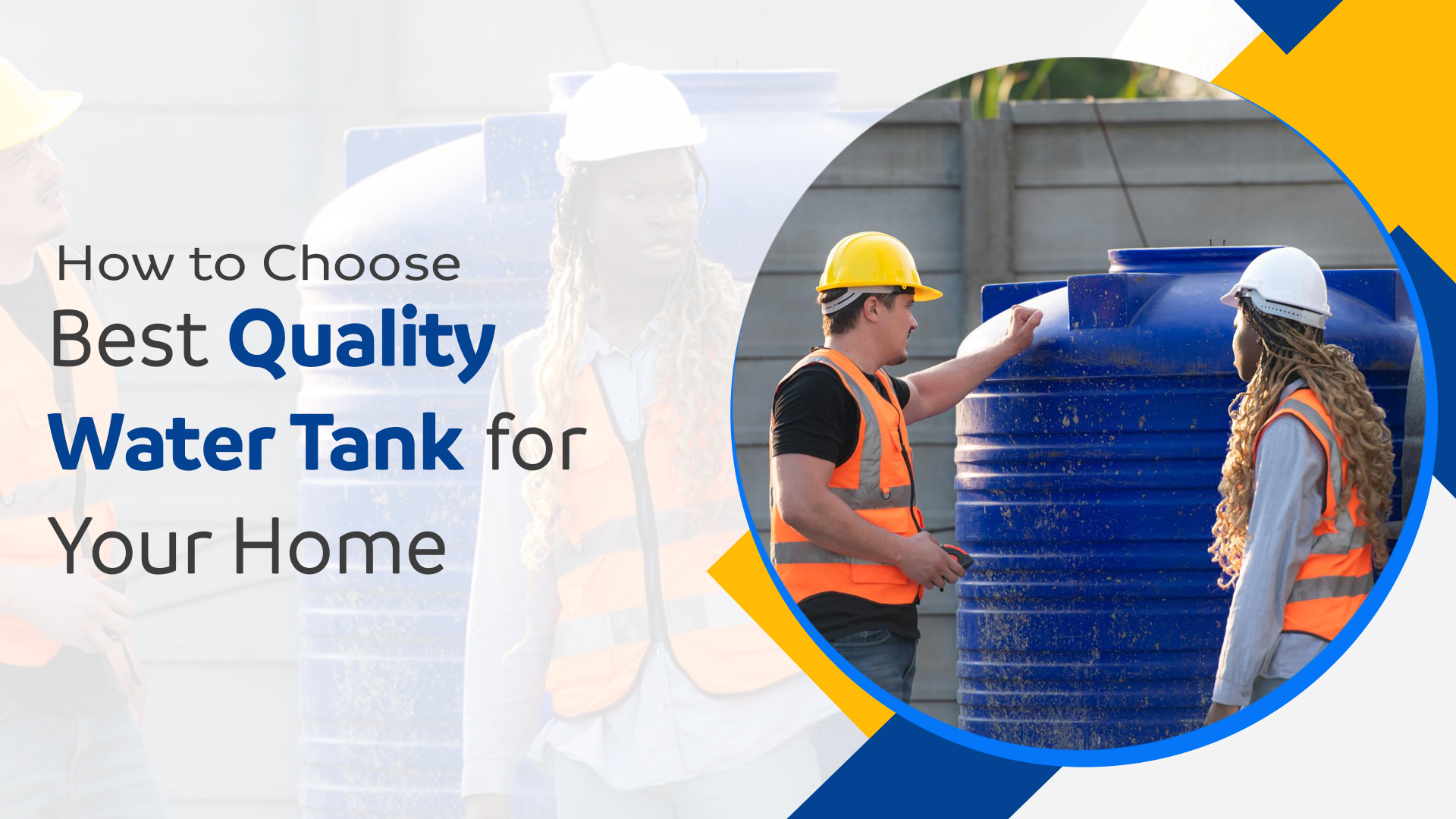
Water storage is no longer just a backup plan; for many households, it is a daily necessity. From irregular municipal supply to increased water consumption, a reliable water tank plays a crucial role in maintaining comfort and hygiene at home. Yet, many homeowners struggle with one fundamental question: which water tank is best for home use?
This guide simplifies the decision making process. By the end of this article, you’ll understand how to choose a high quality water tank based on material, capacity, safety, and long term performance without unnecessary confusion.
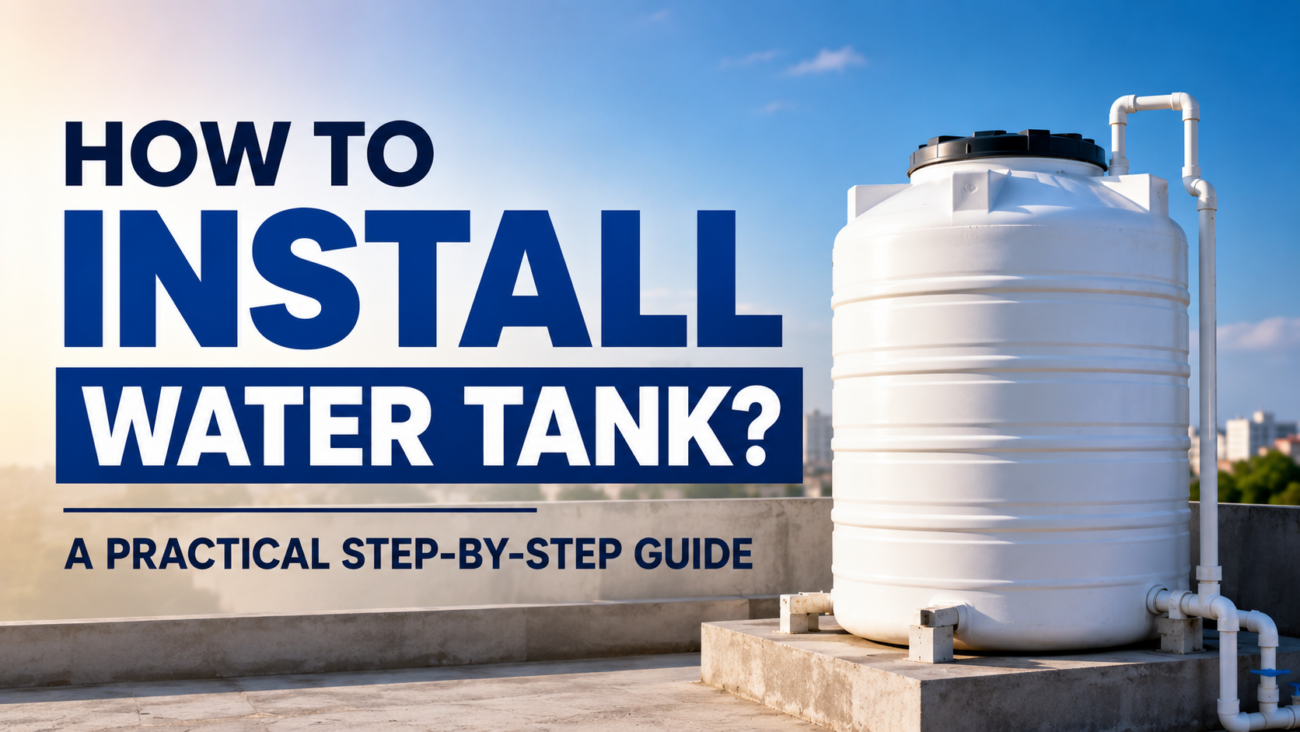
Why Choosing the Right Water Tank Matters
A water tank is a long term investment. Once installed, it is expected to last for years with minimal maintenance. Choosing the wrong tank can lead to problems such as water contamination, leakage, algae growth, or frequent replacements.

Image Source – Freepik
The best water tanks for home are designed to store water safely, withstand harsh weather, and maintain water quality over time. Selecting the right one ensures peace of mind and consistent access to clean water.
Which Water Tank Is Best for Home Use?
There is no one size fits all answer, but the best option depends on your household’s needs, climate, and available space.
Understanding Different Types of Water Tanks
Some common types of water tanks used in homes include:
- Plastic (polyethene) water tanks – Lightweight, rust free, and widely used
- Concrete tanks – Durable but heavy and less standard for rooftops
- Metal tanks – Strong but prone to corrosion if not properly treated
For most modern homes, plastic water tanks are preferred due to their durability, affordability, and ease of installation.
Image Source – Freepik
Ideal Water Tank Capacity for Homes
Choosing the right capacity is just as important as choosing the right material.
General guidelines:
- 2–3 members: 500–750 litres
- 4–6 members: 1,000–1,500 litres
- Large families or high usage: 2,000 litres or more
Oversized tanks waste space, while undersized ones lead to frequent shortages.
Key Factors to Consider Before Buying a Water Tank
Material Quality and Durability
High quality water tanks are made from virgin, food grade plastic that does not affect water taste or safety. Multi layer construction improves strength and prevents external heat from affecting stored water.
Food Grade and Safety Standards
Always check whether the tank complies with food grade and quality standards. This ensures the water remains safe for daily use, including cooking and bathing.
Image Source – Freepik
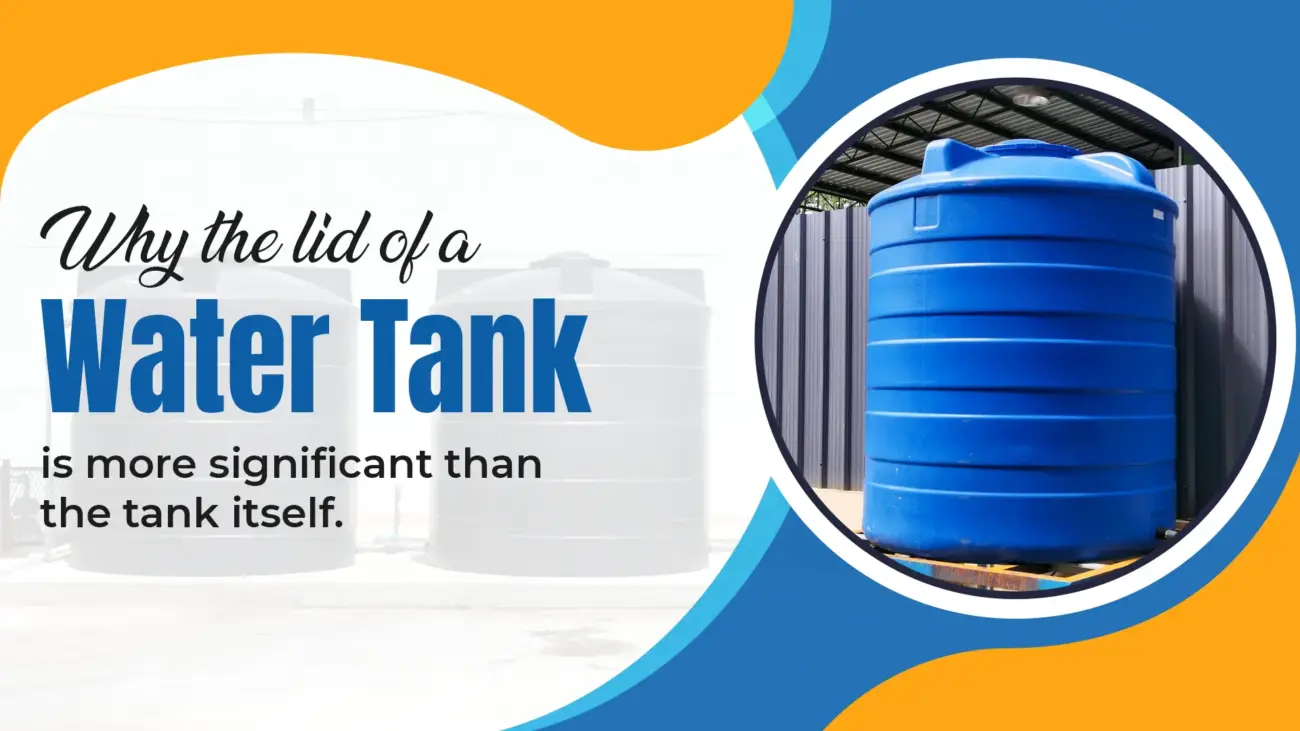
Importance of a Strong Water Tank Cap
The water tank cap is often overlooked but plays a vital role in preventing contamination.
A good water tank cap should:
- Fit tightly to block dust and insects
- Be durable and weather resistant
- Allow easy access for cleaning
A poorly designed cap can allow impurities to enter, compromising water quality.
UV Protection and Weather Resistance
Exposure to sunlight can cause algae growth inside the tank. UV stabilised tanks prevent this issue and help maintain water freshness, especially in outdoor installations.
Best Water Tanks for Home: Features to Look For
When comparing options, look for these essential features:
- Multi layered construction for insulation
- UV protection to prevent algae formation
- Strong base support for stability
- Leak proof design
- Secure and well fitted water tank cap
These features ensure durability, hygiene, and long term value.
Image Source – Freepik
Common Mistakes to Avoid When Buying a Water Tank
Many buyers make decisions based solely on price. Here are mistakes to avoid:
- Ignoring material quality for lower cost
- Choosing an incorrect capacity
- Overlooking safety certifications
- Neglecting the quality of the lid or cap
Avoiding these errors helps you get maximum value from your investment.
Conclusion
Choosing the right water tank doesn’t have to be complicated. By understanding your household’s needs, checking the quality of materials, ensuring compliance with safety standards, and paying attention to details like the water tank cap, you can confidently choose the best water tank for home use.
A well chosen water tank ensures clean water, long term durability, and everyday convenience. If you’re planning to upgrade or install a new tank, explore reliable options and invest in quality it’s a decision that will benefit your home for years to come.