


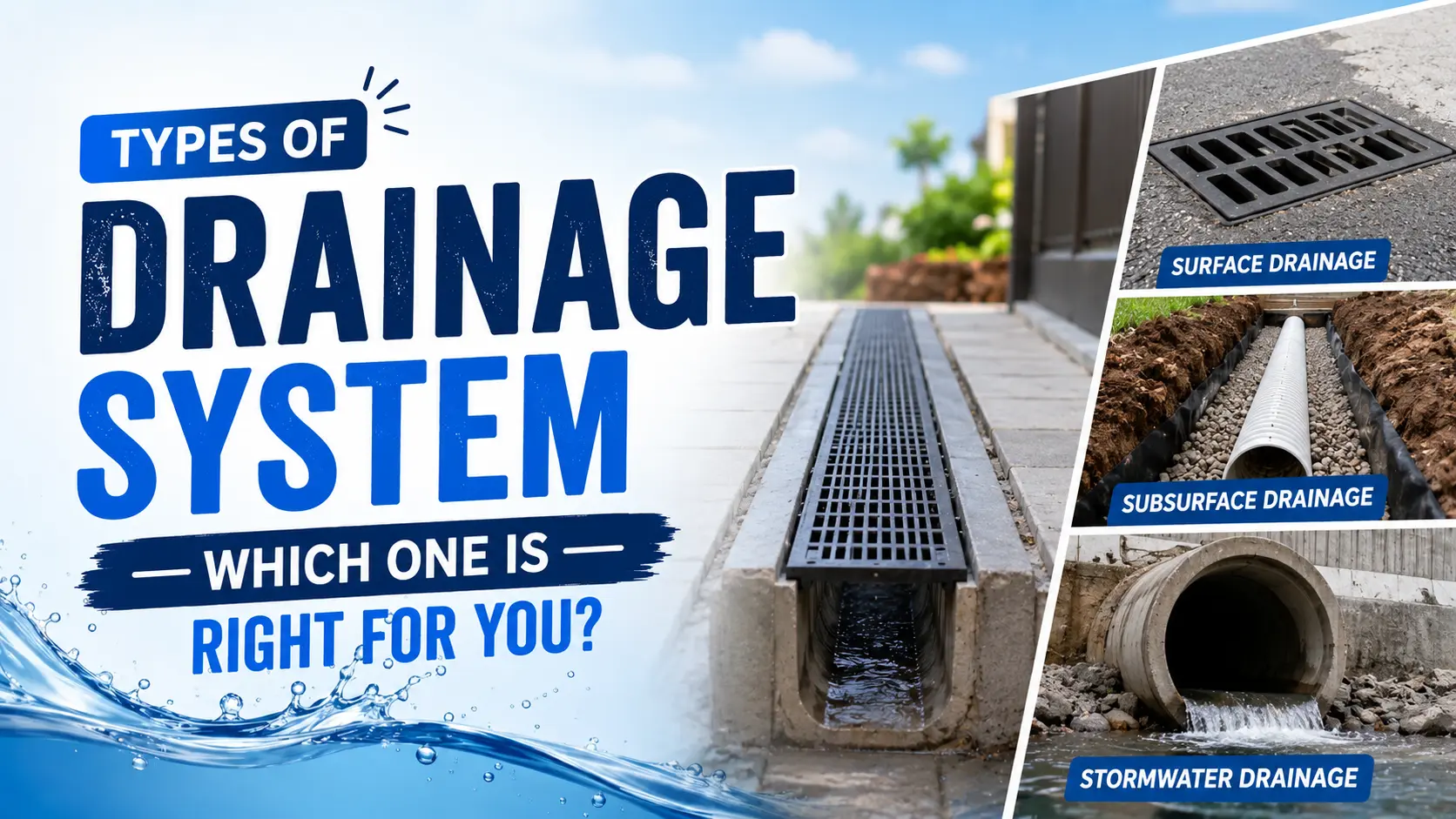
One of the most common problems faced by home owners is water damage and in most cases this is caused by poor drainage. A good drainage system will remove excess water from your property and protect your foundation, walls, garden and landscape areas. Heavy rains cause water to pool around your house or you have underground moisture, the right drainage setup can save you costly repairs in the future.
Urban flooding and climate change are occurring with greater frequency. Modern cities and residential areas are spending large amounts of money on improvements to drainage infrastructure. This is why it is essential to understand the different types of drainage systems before selecting one for your home.
What is a drainage system?
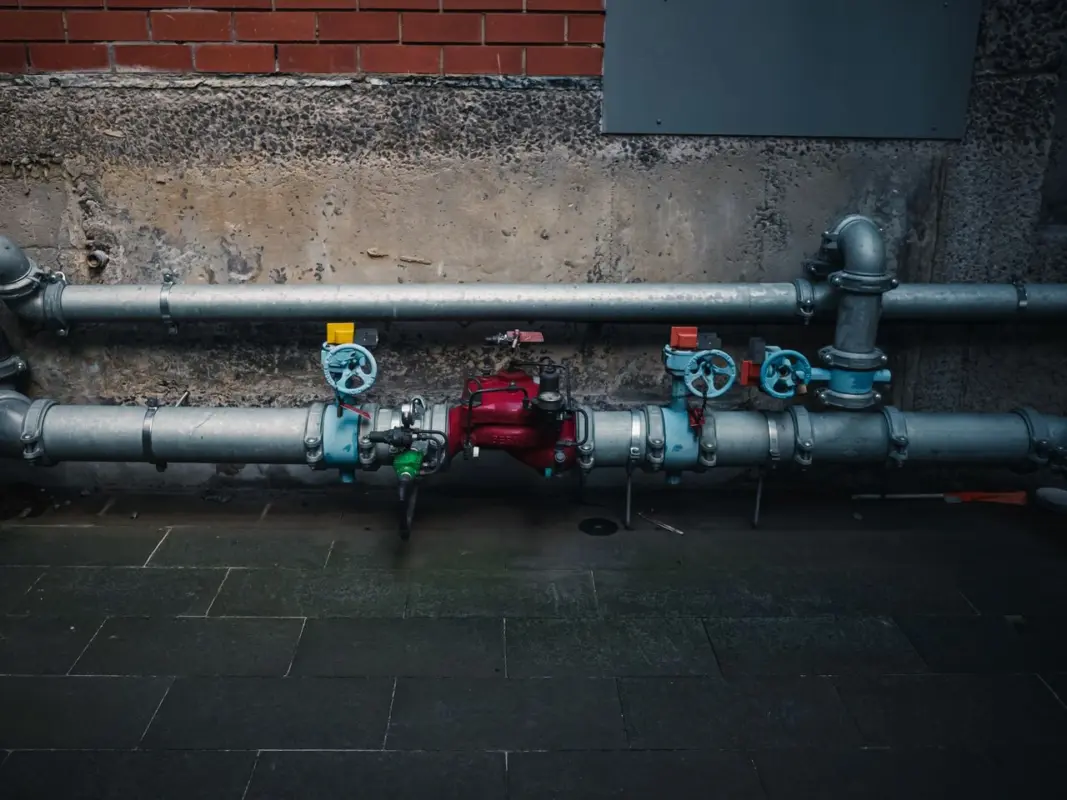
A drainage system is a system of pipes, channels, gutters or trenches that are designed to remove excess water from a property. Its main purpose is to prevent water from pooling in puddles around buildings, roads or landscapes.
Drainage is your home’s first line of defense against water damage. If the rain water is drained improperly it can leak in to the foundation and weaken the walls and grow mold and even damage flooring. Good drainage means water goes where it should be, protecting your property all year long.
Drainage systems types
There are many drainage systems and they all work differently, depending on the property and the water problem.
1.Surface drainage systems
Surface drainage systems remove water from the land surface and convey it through shallow channels or drains. You find them in driveways, gardens and roads.
Best suited for:
- Lowlands (Dutch: Laagland)
- Lawns and Garden.
- Frequent rains cause
Advantages:
- Cheap
- Easy to maintain
- Rapid water removal
2. Subsurface Drainage Systems
Ideal for:
- Wet Soil Areas
- Cellars
- Farm land
These systems work well to prevent moisture buildup underneath the ground that can cause damage to foundations.
3. French Drain Systems
A French drain is one of the more popular home drainage solutions. It is a gravel filled trench with a perforated pipe that carries ground water away from the property.
Good for:
- Down Yards
- Basement Protection
- Drainage foundation French drains are effective, durable and fit well in the landscape.
4. Channel drainage systems
Channel drains are long narrow drains and are commonly found in driveways, patios, garages and pool areas. “They intercept the surface water before it flows fast.”
Best for:
- Sidewalks Sidewalks
- Drives
- Commercial areas
They are often used in urban housing where concrete surfaces prevent water from soaking in naturally.
5. Drainage Systems – Downpipes and Gutters
Gutters and downspouts catch rain water from the roof and divert it away from the building. If they are missing, water can land right next to the foundation, causing cracks and/or leaks.
Best for:
- All dwellings
- Heavy rainfall areas
- You should clean your gutters regularly, or they could back-up during a storm.
Check out this also – Best Methods to Keep Water Tanks Cool in Hot Weather
How to Choose the Right Drainage System
Here are some important things to keep in mind when choosing the right drainage system.
Soil type
Clay soil retains water longer than fast-draining sandy soil. Houses constructed on clay-heavy soil often require subsurface drainage systems.
Rain and Weather
The more rain there is, the bigger and better the drainage systems have to be. If there are flooding problems, you may need drainage above and below ground.
Maintenance and budget
There are systems that cost more to install, but are cheaper to maintain over time. French drains and subsurface systems are expensive but are very effective for long term protection.
Typical Drainage Problems and How to Repair Them
Water standing around the home
This is usually due to bad grading or clogged drains.
Solution:
Put in surface drains or a French drain to get the water out.
Basement water damage
Basement leaks can be caused by excessive groundwater pressure.
I’ve been thinking a lot about what to say. And I just don’t know what to say.
You should install subsurface drainage systems and waterproofing.
Blocked pipes and gutters.
Leaves and debris can block the flow of drainage.
Conclusion
Good drainage will save your house from flooding, water damage and soil erosion. Surface drains, gutters, French drains, underground systems all have a purpose. The best choice will depend on the layout of your property, the amount of rainfall it receives and your budget.
If drainage problems are ignored now, it could cost you dear in structural repairs later. The right drainage solution is an investment in the safety, durability and long term value of your property.
Faqs
1. What is the most common drainage system in homes?
Gutters, downspouts and surface drainage systems are common to most residential properties.
2. What’s the best basement drainage system?
The best way to protect basements is with subsurface drainage systems and French drains.
3. How often should I get my drains cleaned?
At least twice a year, especially just before and after the rainy season.
4. Are French drains worth installing?
French drains do a wonderful job of keeping a buildup of groundwater at bay and protecting foundations.
5. Can bad drainage damage a house?
Yes, poor drainage can lead to foundation cracks, mold, flooding and soil erosion.