

An HDPE TEE fitting is where your pipeline splits and if you receive the wrong type, it can mean reduced flow, pressure loss at the point of the branch, or a fitting that physically will not fit the pipes waiting on your site. One of the most typical misconceptions about HDPE pipeline design, however, is the distinction between an equal tee and a reducer tee, particularly for contractors new to working with polyethylene systems.
This document covers both types in detail, explains when to use each one and gives the specification format that engineers, procurement officers and site supervisors need to avoid costly mistakes before a single fitting is ordered.
What Is an HDPE TEE Fitting?
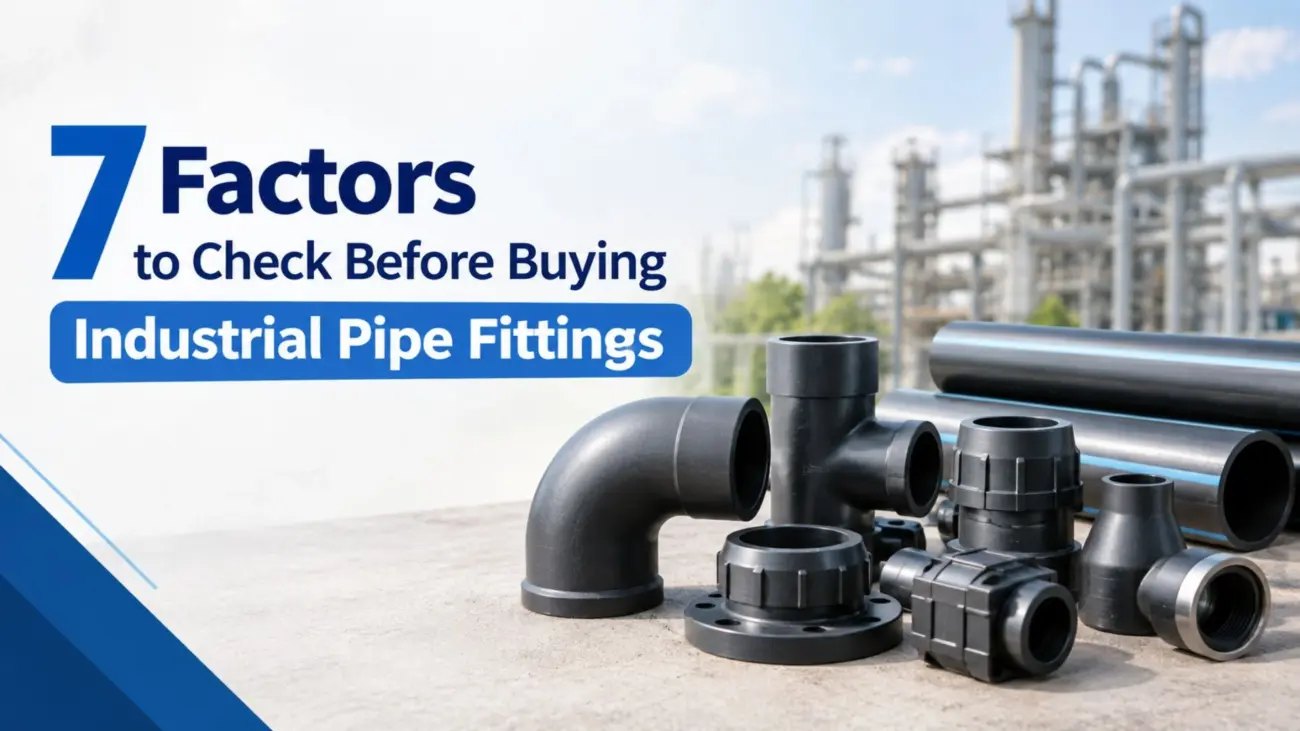
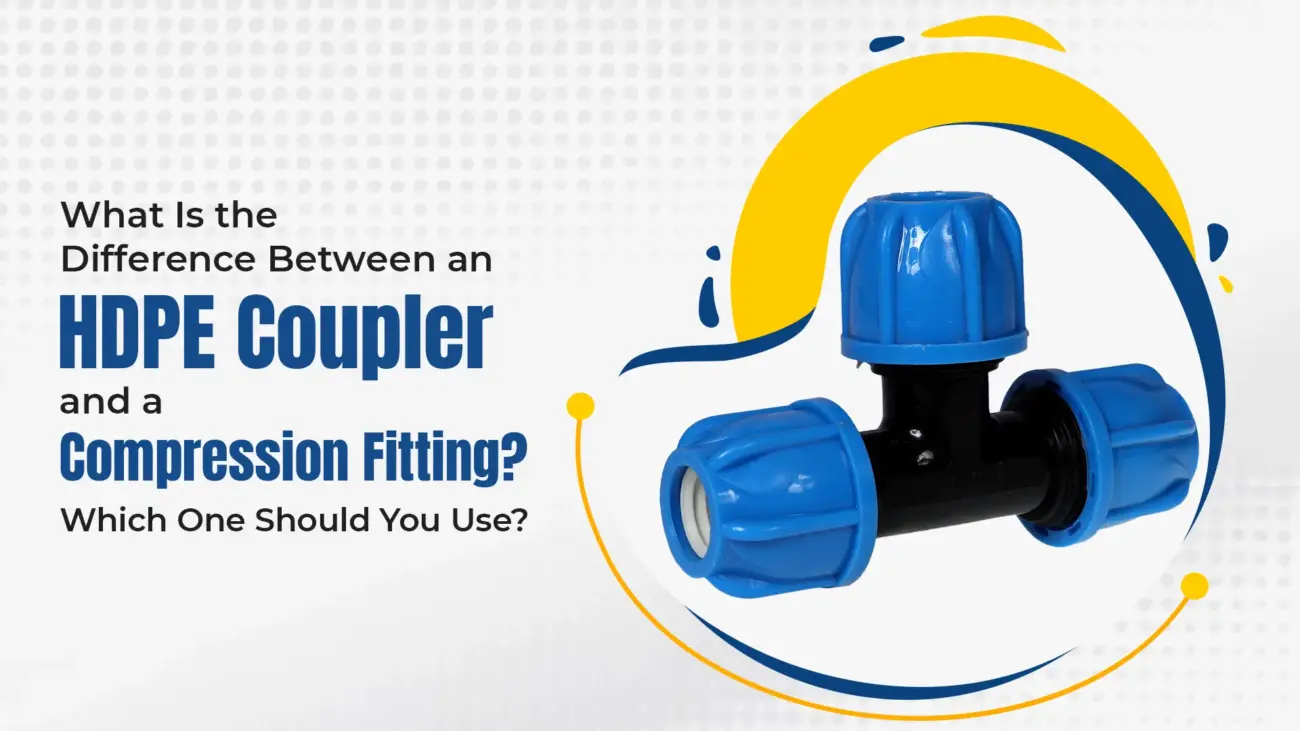
HDPE TEE fitting features three outlets: straight through (inlet and outlet same direction) and one branch perpendicular to the run. It is named after the T-shaped cross section. Arihant Plast manufactures HDPE TEE fittings in electrofusion and spigot (butt fusion) types in PE 100 material conforming to IS 14333 and IS 4984 standards for sizes from 20mm to 315mm OD.
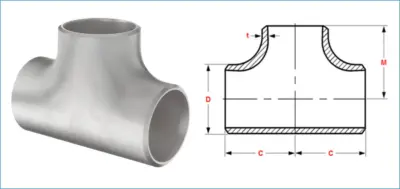
Equal TEE What It Is and When to Use It
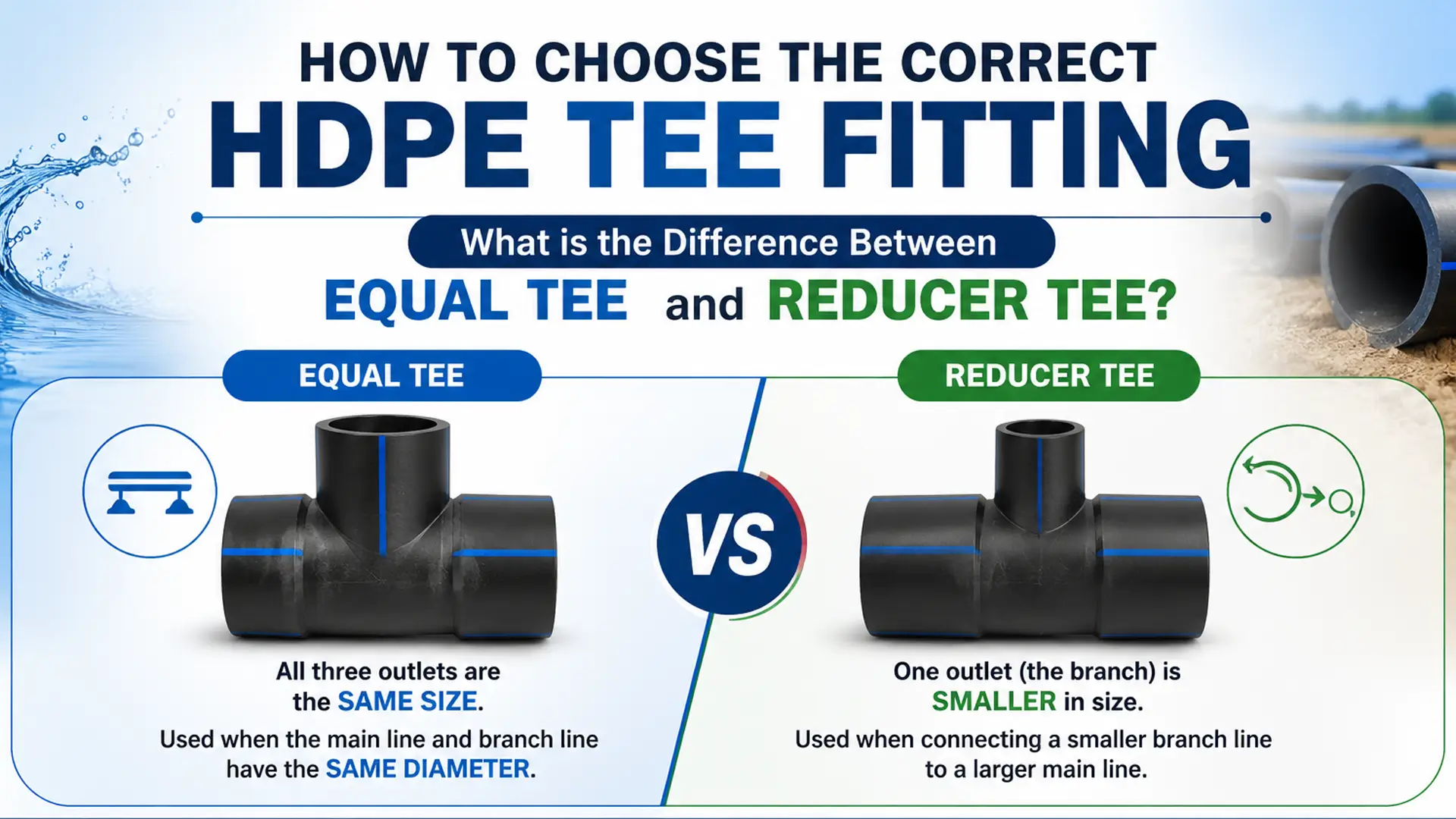
An equal TEE has three outlets of the same diameter. 90mm equal TEE has 90mm run inlet, 90mm run outlet and a 90mm branch outlet. All flow pathways have the same maximum flow capacity.
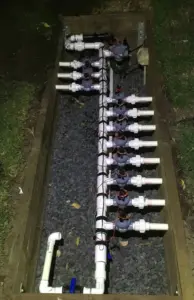
Proper usage for equal TEE:
- Municipal water distribution with main dividing to two equal capacity sub-mains
- Irrigation systems with two lateral zones of equal area from one mainline connection
- Gas reticulation networks with equal branch and run pressure requirements
- Branch flow equals mainline flow in industrial headers
What is a reducer TEE and when to use it
A reducer TEE (also called unequal tee or decreasing branch tee) has a branch outlet smaller in diameter than the run. The most frequent specification is a mainline run size with a smaller branch, for example 110mm x 110mm x 32mm, where the mainline continues at 110mm and the branch draws off at 32mm for a domestic service connection.
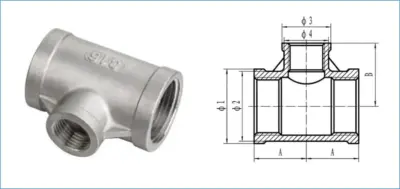
Correct uses of the TEE reducer:
All Jal Jeevan Mission FHTC branch connections (Large distribution mains feeding smaller residential service pipes)
Irrigation submain from mainline (90mm mainline to 63mm submain)
Industrial process piping where a smaller process stream is tapped from a bigger header PLB duct systems where a backbone duct branches to a smaller distribution duct
How to Correctly Specify an HDPE TEE
HDPE TEEs shall be defined as: Main Run Inlet OD x Main Run Outlet OD x Branch Outlet OD. This is a uniform three-number format and there is no ambiguity across suppliers, procurement documents and site drawings.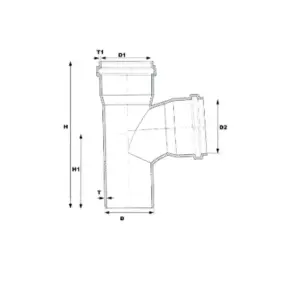
- 63 x 63 x 63 Equal TEE, all outlets 63mm
- 90 x 90 x 63: Reducer TEE – 90mm mainline, 63mm branch
- 110 x 110 x 25 : TEE REDUCER – 110mm mainline, 25mm service connector branch
- Reducer TEE 160 x 160 x 110 (110mm submain off big diameter main)
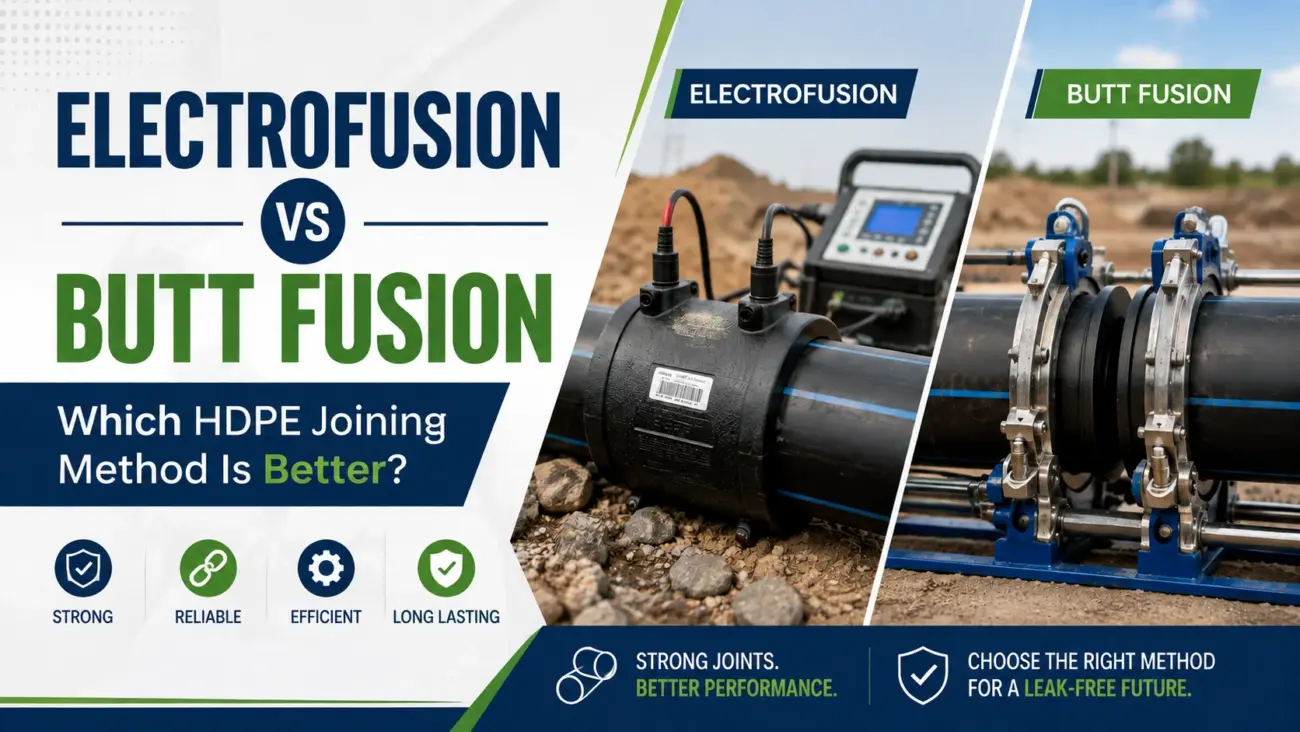
Electrofusion TEE vs Butt Fusion TEE – Which to Specify
As with all other HDPE fittings the choice between electrofusion and butt fusion TEE is a matter of the same logic:
Electrofusion TEE For diameters up to 160 mm Installations in limited spaces Gas systems needing weld traceability Repair work on existing systems
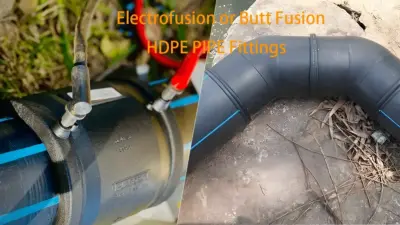
Spigot (butt fusion) TEE: For mainlines over 90mm on greenfield projects where fusion equipment is already on site
Arihant Plast, Jaipur, Rajasthan is manufacturing electrofusion and spigot HDPE TEE fittings to IS 14333 and IS 4984 respectively in all standard sizes. Arihant Plast’s in house mould manufacture provides custom non-standard designs, with over 1,000 proprietary moulds across the whole HDPE piping range.
Frequently Asked Questions FAQs
Q:1 Does an HDPE TEE generate a substantial pressure drop in a pipe?
Ans. Yes, but manageable in quantifiable ways. The pressure loss of through flow in a TEE is about 0.3–0.5 m of pipe friction at the same flow rate. The branch output has more pressure loss due to 90 degree direction change. When designing an irrigation system, make sure to incorporate TEE pressure losses in your friction loss calculations, especially if the system has several branch points along a long lateral.
- Can you use an electrofusion TEE on a live pressurised main?
No. Electrofusion requires the pipe surface to be scraped, cleaned, dry and undisturbed during the fusion cycle which involves depressurising the affected area. Instead utilise an integrated saddle fitting for branch connections on live pressurised mains designed exclusively for hot tap applications.
Q:2 What is the difference between HDPE TEE and HDPE wye fitting?
Ans. An HDPE TEE features a 90° branch outlet perpendicular to the direction of the run. A wye fitting features a branch at 45° to the run providing a gentler flow transition and smaller pressure drop in the branch. Wye fittings are less widespread in Indian water distribution but are seen in several industrial and wastewater systems.
Q:3 Are HDPE TEE fittings provided by Arihant Plast for BIS certified government water schemes?
Ans. Yes. Arihant Plast manufactures HDPE TEE fittings according to IS 14333 (Electrofusion) and IS 4984 (Butt Fusion) with ISO 9001:2015 quality management. We can also provide product test certificates and IS compliance documents for submission for government tenders. For project procurement support @ arihantplast.in/b2b-enquiry/