

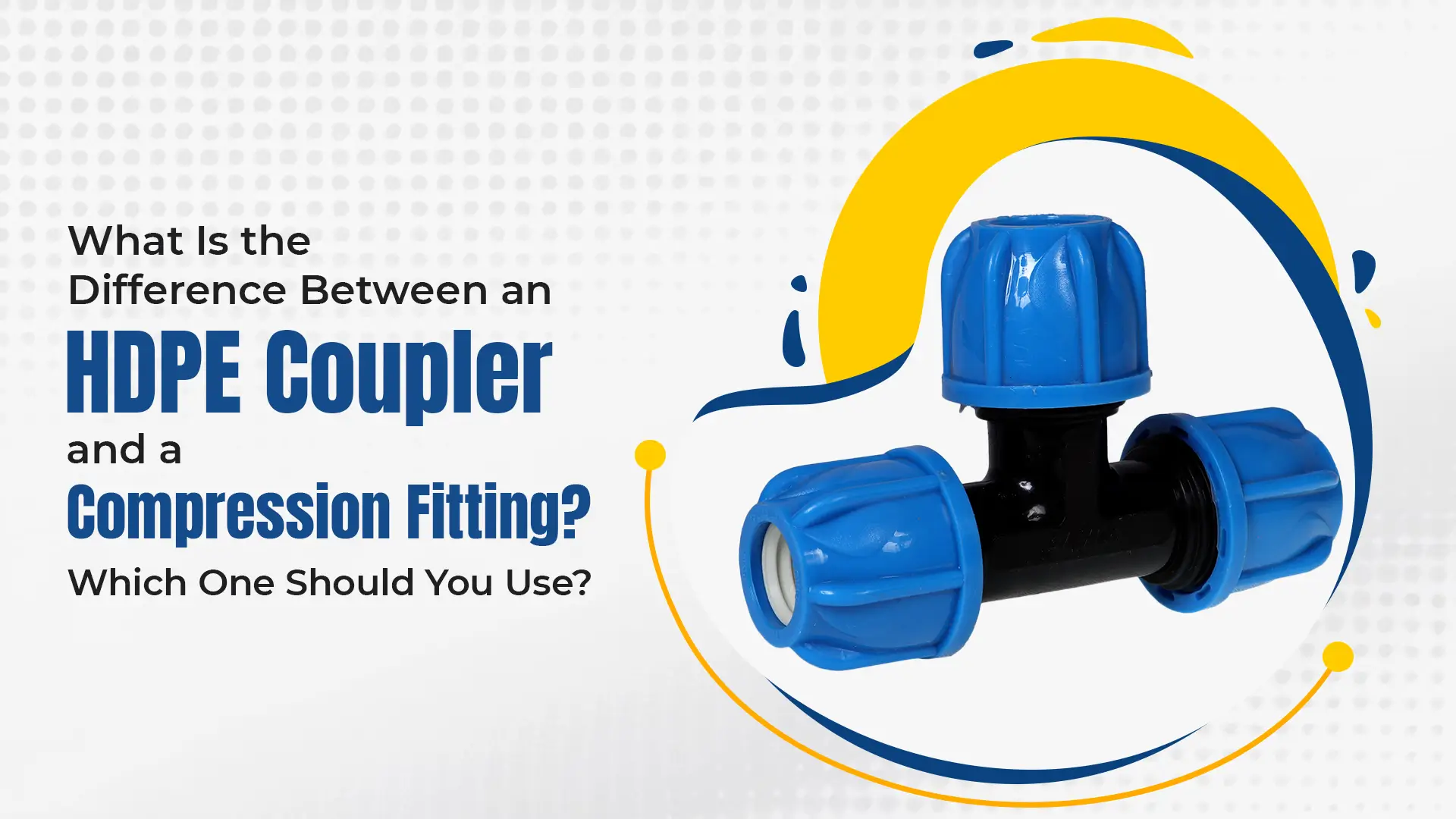
Couplers are the most prevalent type of fitting used on HDPE pipeline projects. A coupler is the place where two pieces of pipe need to be connected in a straight line. This happens all the time. But people still don’t know which type of HDPE coupler to use and when to utilize it.
People on Quora and plumbing forums ask this topic the most: What’s the real difference between an HDPE coupler and a compression fitting, and which one should you use for your project? This guide gives a simple, useful, and not too technical response to that question.
What does an HDPE coupler do?
A pipe fitting called an HDPE coupler connects two pieces of HDPE pipe in a straight line. It is the easiest fitting there is: a short, cylindrical piece with holes at each end that the pipe may fit through. The coupler disappears into the pipeline when the junction is finished, and water flows through without any problems or blockages.
The word “coupler” means “to join,” which is what it does. The way the pipe and fitting attach to make a sealed, pressure rated connection is what makes different types of couplers different.
Different kinds of HDPE couplers
-
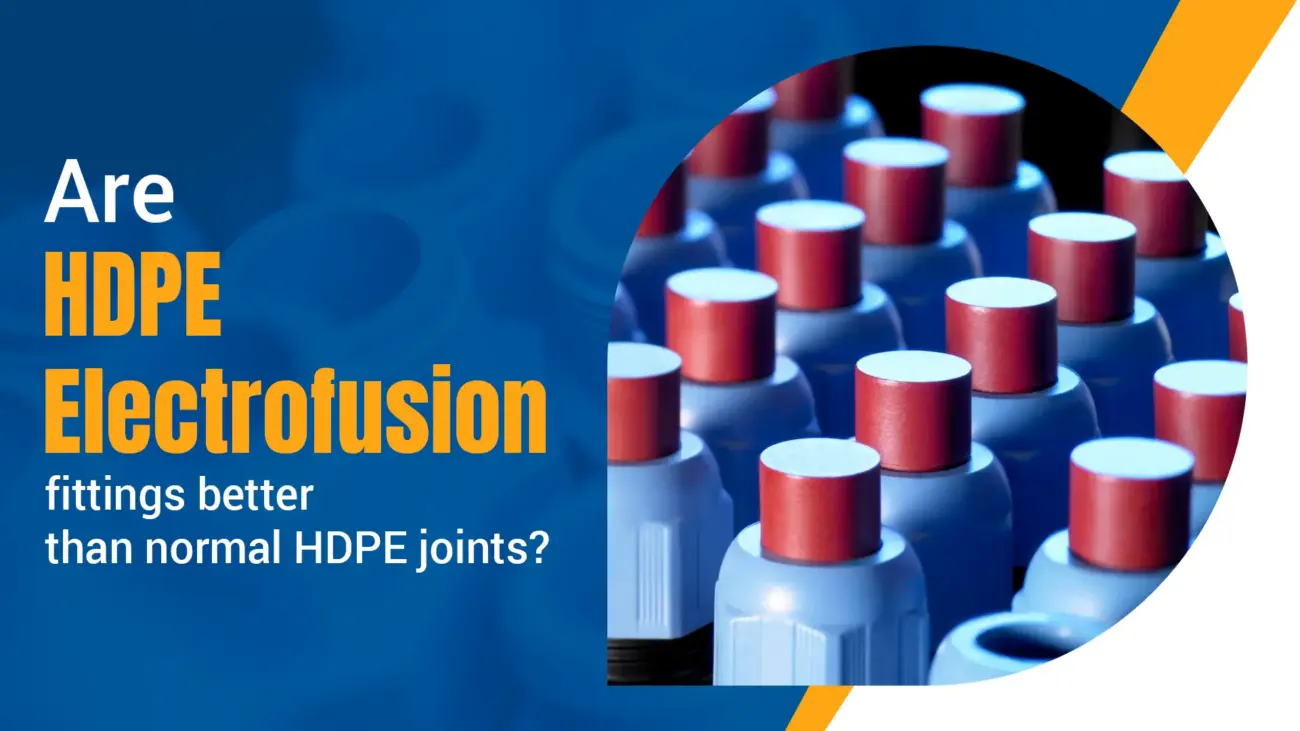
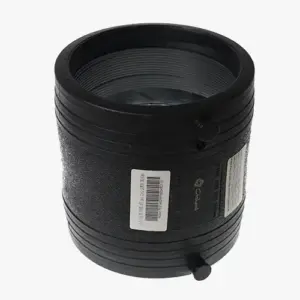
Coupler for electrofusion
Inside an electrofusion coupler’s bore are electrical resistance coils. The ends of the pipes go into both sides of the coupler, and the coil terminals link to a fusion processor. When voltage is provided, the coils melt the surface of the pipe and the fitting bore at the same time. When the polyethylene is melted, it sticks together, and when it cools, the seam is one solid piece that is as strong as the pipe wall.
This is the best way to attach HDPE couplers, and it is required for gas distribution, water mains, and any other subterranean pressurized system where joint dependability is a must.
-
Butt Fusion Coupler (Spigot Coupler)
A butt fusion or spigot coupler is used in systems where the ends of the pipes are heated and forced together. The coupler gives the joint its shape. The coupler has a simple internal bore (no coils) and is put together using the same butt fusion method as straight pipe to pipe couplings. Used a lot in big water and gas pipes.
-
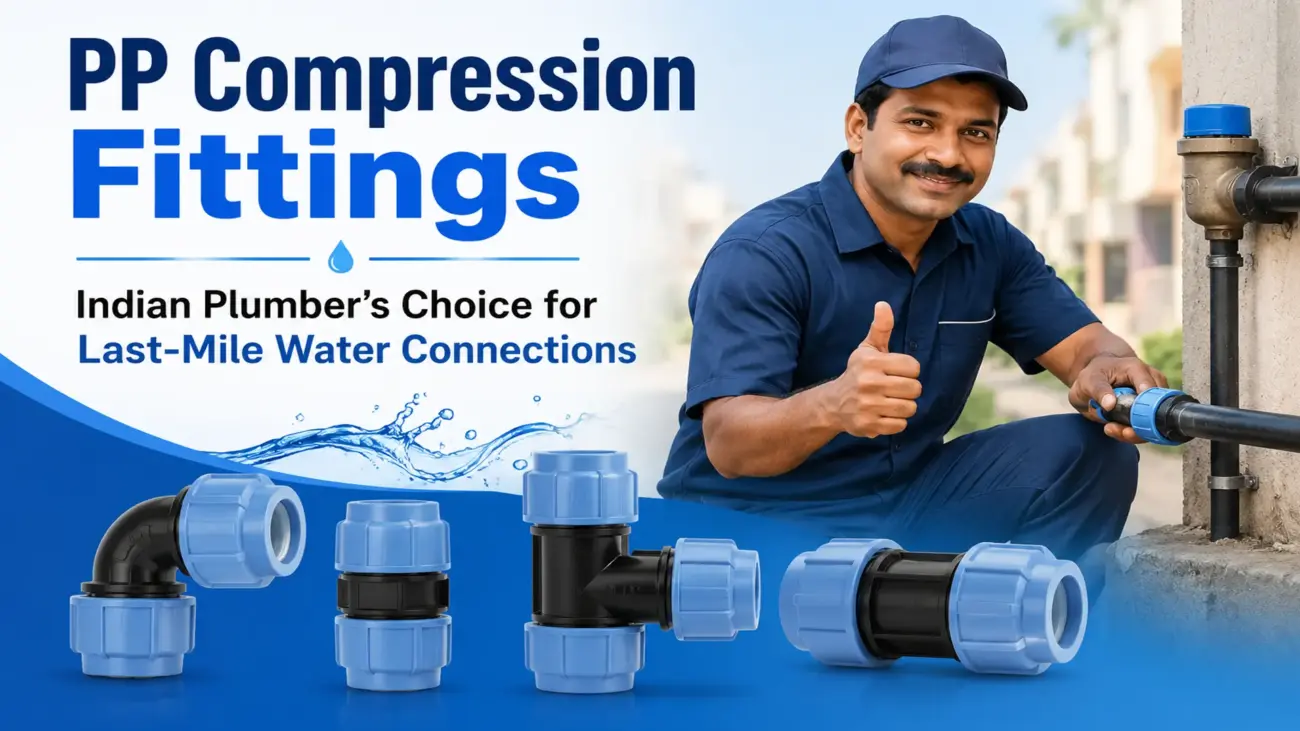
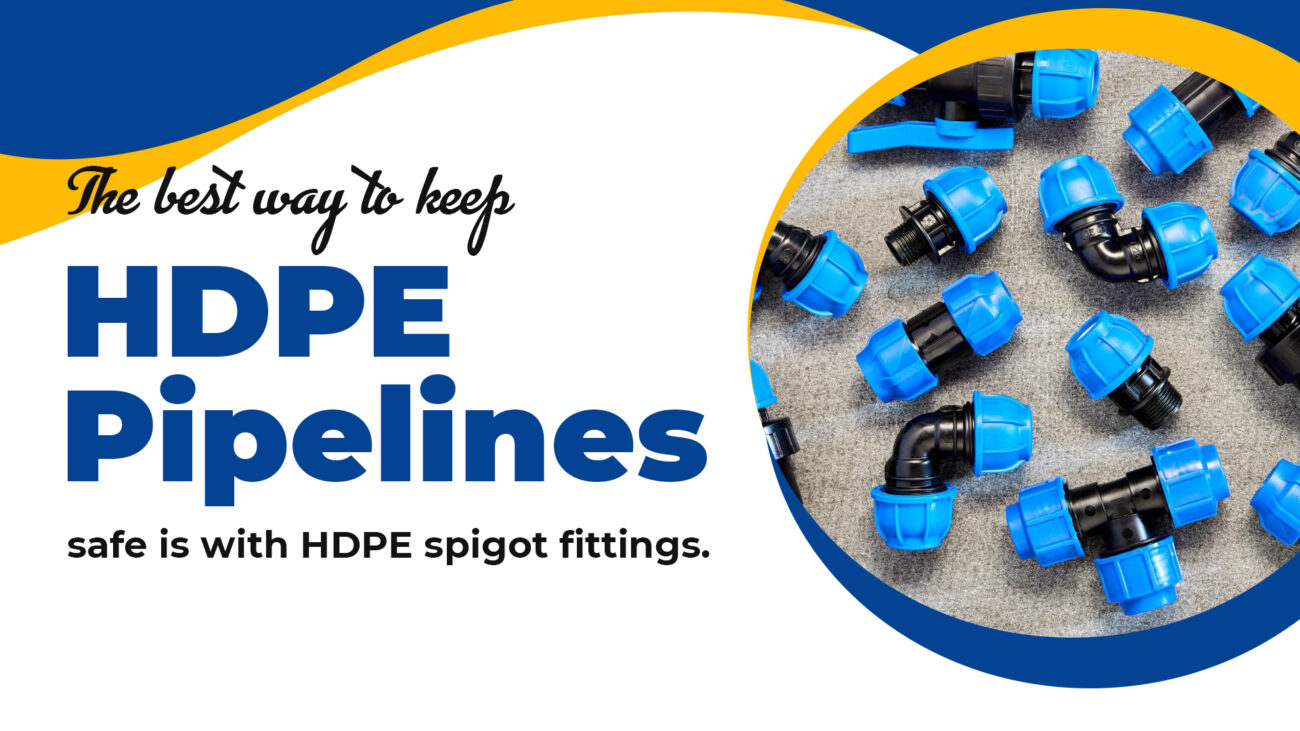
Coupler for Compression
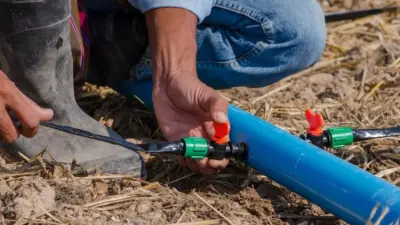
A compression coupler makes a mechanical joint that doesn’t fuse. Put the end of the pipe into the coupler body, tighten the compression nut, and the grip ring inside the fitting will bite into the pipe’s outer surface to make a seal. No heat, no tools, and no specific training.
The main differences between HDPE couplers and compression fittings are
Type of joint
An HDPE coupler that is linked by electrofusion or butt fusion makes a permanent, heat fused connection that is part of the pipe’s structure. A compression fitting makes a mechanical, clamping connection that can be taken apart. Fusion is superior for systems that never need to be taken apart. Compression may be better for systems that need regular maintenance or reconfiguration.
Ability to handle pressure
HDPE couplers that are fusion joined can handle the entire pressure rating of the pipe itself, which is up to PN 20 in PE 100 material. Compression fittings usually have lower maximum pressure ratings (PN 10 to PN 16 for common irrigation grade fittings) and are not advised for use with gas.
Requirements for installation
Electrofusion couplers need an electrofusion processor unit and somebody who know how to use it. You don’t need any tools to use compression couplers; just tighten them by hand and use a spanner. Compression couplers are the only alternative for field irrigation when fusion equipment is not available.
Price
For the same size, compression couplers cost less per unit than electrofusion fittings. For a big drip or sprinkler irrigation system with hundreds of lateral connections, this difference in cost adds up a lot.
Framework for making decisions: If a joint failure would mean digging up the mainline and stopping work, use electrofusion couplers on any underground, pressurized, or permanent mainline. Use compression couplers for low-pressure service lines, irrigation laterals that are put on the ground, and any system where connections may need to be changed from season to season.
HDPE Coupler with PVC Socket: The Option for Transition
Arihant Plast also makes HDPE couplers with built in PVC sockets. These are used to connect an HDPE segment to a PVC piece in hybrid pipeline systems. This makes it easier to install pipes made of different materials by eliminating the requirement for a separate transition fitting.
Visit arihantplast.in to see all the many types of HDPE couplers, including electrofusion, compression, and transition types, in all standard sizes and pressure classes.
Commonly Asked Questions
Q1. Is it okay to utilize a compression coupler on a mainline that is under pressure?
Compression couplers can handle pressurized applications up to their PN rating, but they shouldn’t be used on subterranean mainlines that carry gas or water at high pressure. Electrofusion or butt fusion couplers are the right solution for those uses.
Question 2: How much of an HDPE coupler do I need?
Make sure that the coupler’s nominal diameter is the same as the pipe’s outer diameter. HDPE couplers are made to fit the outside diameter (OD) of the pipe, not the inside diameter. In India, common diameters for irrigation are 20mm, 25mm, 32mm, 40mm, 50mm, 63mm, 90mm, and 110mm.
Q3: Can you use electrofusion couplers more than once?
No. Electrofusion makes a junction that is permanently fused. You have to cut off the coupler in order to use the pipe section again. Then you have to use a new coupler for the next joint.
Q4. Is it possible to use a regular coupler to connect HDPE to PVC?
Not always with a regular coupler. You can use a transition coupling made for the job, such Arihant Plast’s HDPE coupler with PVC socket, or a mechanical connection that works with both materials.