

Think about the pipes in your home. They bring water to your sink. They carry waste away. These pipes cannot go in one straight line. They need to turn corners. They must split into different directions. They have to connect to faucets and toilets.
This is what pipe fittings do. They are the connectors. A pipe fitting joins pipe sections to build a full network. The pipe fitting material you choose is a very important decision. Different pipe material types are made for different jobs. Some handle hot water. Others resist rust. Some are made for underground use.
Picking the right pipe fitting material makes a system safe and leak-free. You also need Hdpe pipe fitting accessories for a full installation. These are items like sealants, gaskets, and supports. They help hold everything together.
Good pipe fitting manufacturers make these parts to meet quality standards. Their knowledge makes sure every fitting works correctly. They create the hidden framework that moves water where it needs to go.
Pipe Fitting Materials
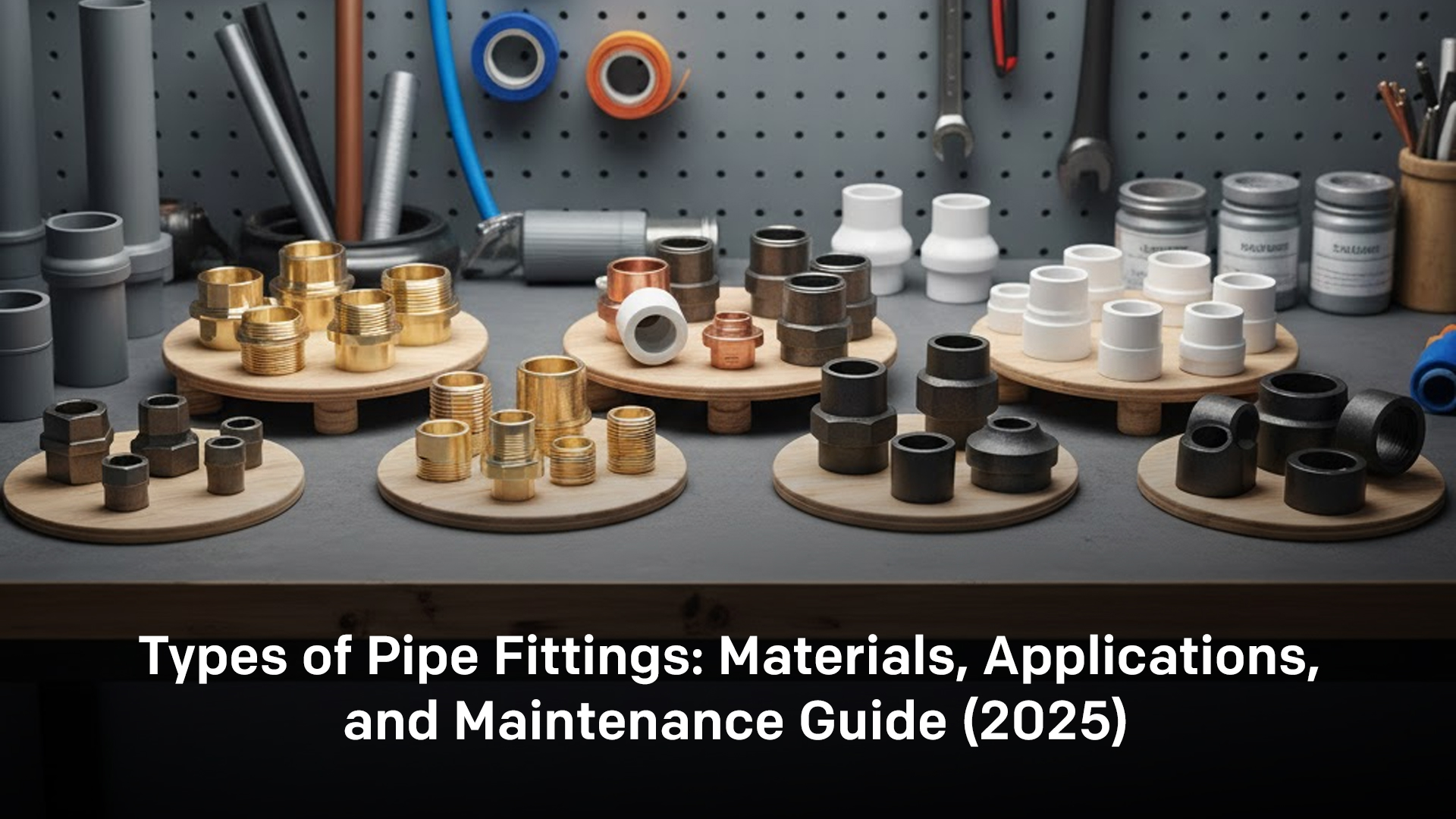
Your choice of pipe fitting material is a very important decision. Each material is different. It is made for specific jobs. Picking the correct pipe fitting material keeps the system safe. It also makes it work well and last a long time. We can sort common pipe material types into two groups. These groups are metal and plastic.
Metal Fittings: Strength and Resistance
Metal fittings are known for their durability and ability to withstand high pressure and temperature.
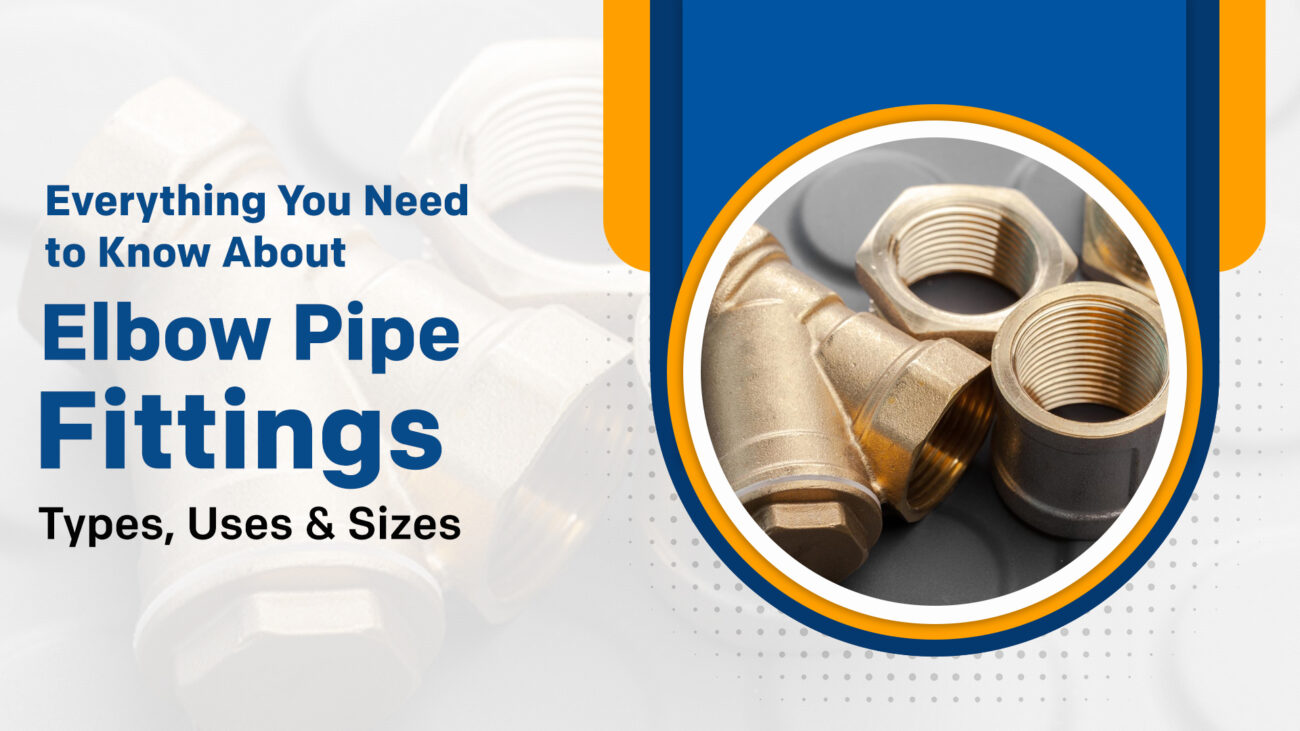
- Brass is a common pipe fitting material. It resists rust very well. This makes it a good choice for home water lines. You can use it for both hot and cold water. You will often see brass used for specific parts. It is used for shut-off valves. It is also used for compression fittings. These are common under sinks and toilets.
- Stainless steel is an extremely strong pipe fitting material. It offers superior resistance to corrosion and heat. Because of this, it is frequently used in demanding environments. These include industrial plants, food processing facilities, and outdoor applications where weather is a factor.
Plastic Fittings: Versatility and Chemical Resistance
Plastic fittings are lightweight. It do not corrode and are often easier to install than metal ones.
- PVC is a rigid, white plastic. It is a very common pipe fitting material. This pipe material type works well for cold water lines. It is also excellent for drainage systems. You should not use PVC for hot water. Heat can cause this material to soften.
- CPVC is similar to PVC, but it has been chlorinated. This process allows it to handle higher temperatures. CPVC is a standard pipe fitting material for residential hot and cold water distribution pipes inside walls.
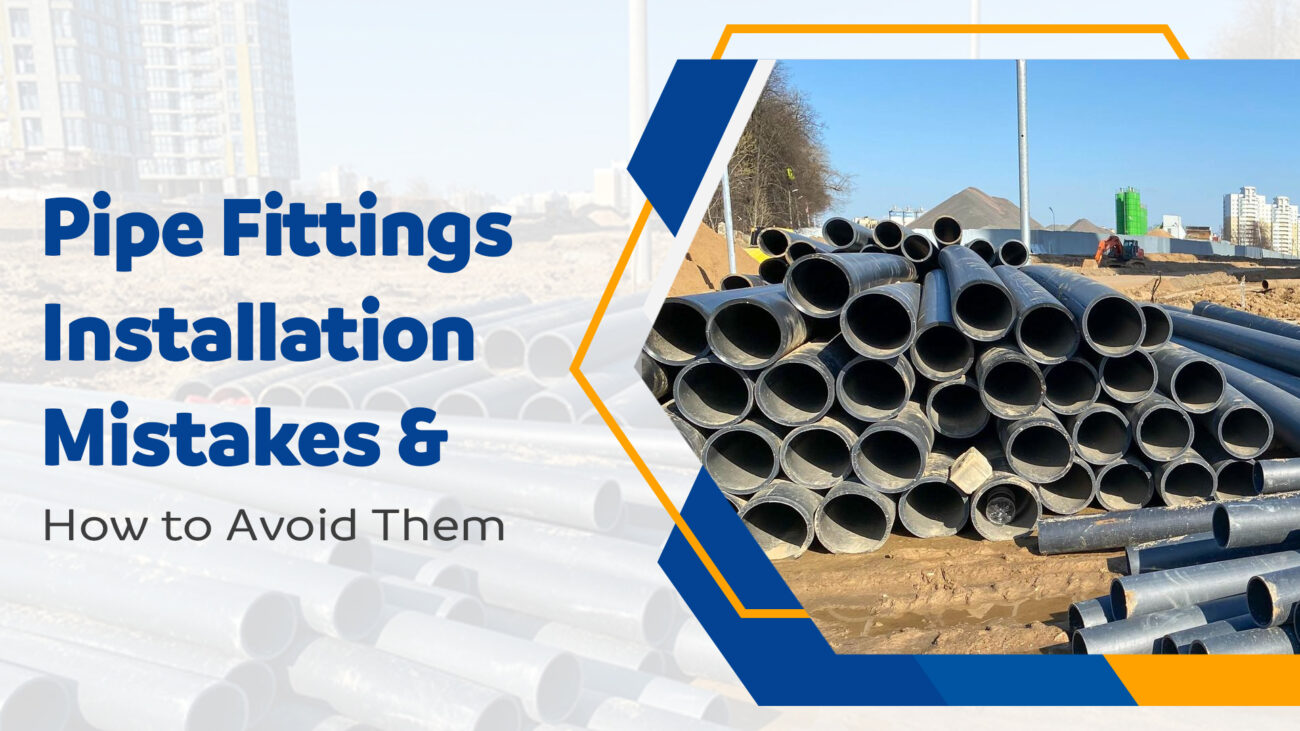
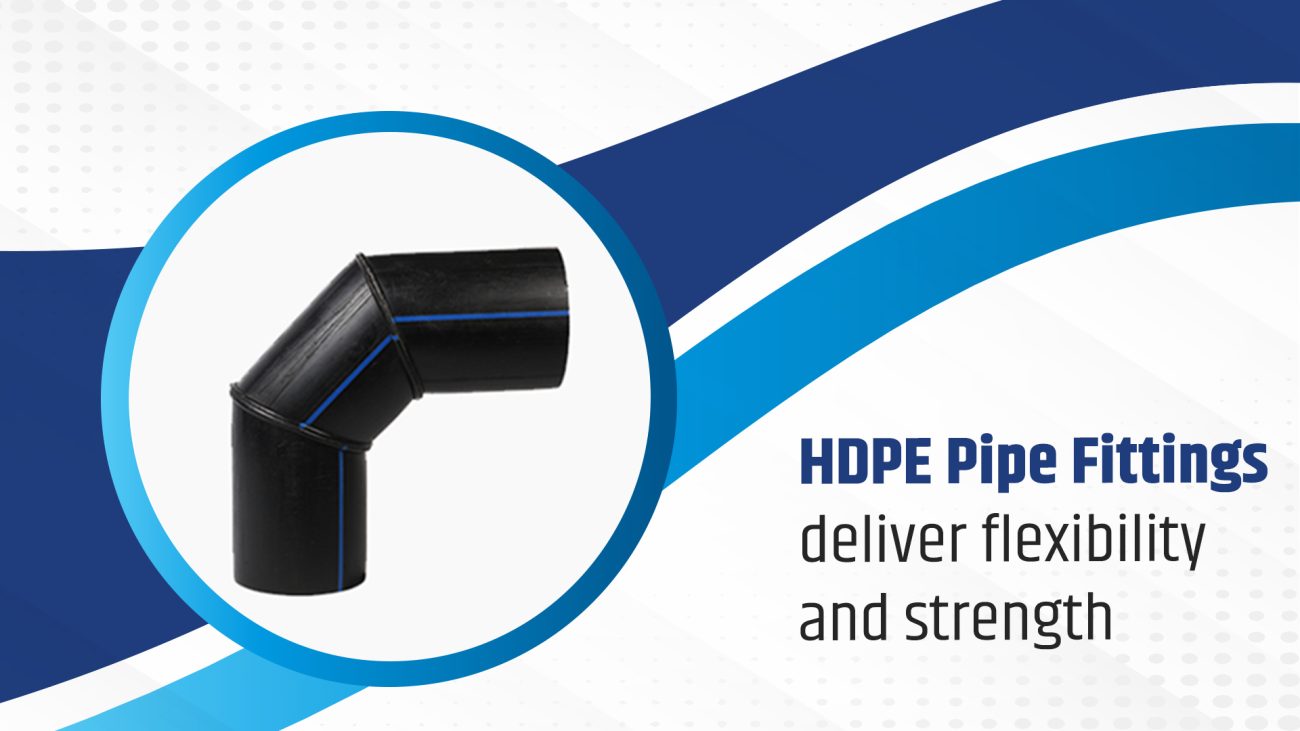
- HDPE is a flexible plastic. It is also very strong and tough. This pipe fitting material is often used underground. It works for main water lines and gas pipes. HDPE pipes and fittings are joined with heat. This process is called fusion. It creates a joint as strong as the pipe itself.
Good pipe fittings manufacturers make parts that meet precise standards. They provide clear instructions for each fitting. This helps you choose the right pipe fitting material for your job. You also need the correct pipe fitting accessories for installation. These items create a secure connection.
- For threaded metal fittings, use sealant tape.
- For plastic PVC or CPVC, use special solvent cement.
- Other accessories include gaskets for seals and clamps for support.
Common Fitting Types and Their Applications
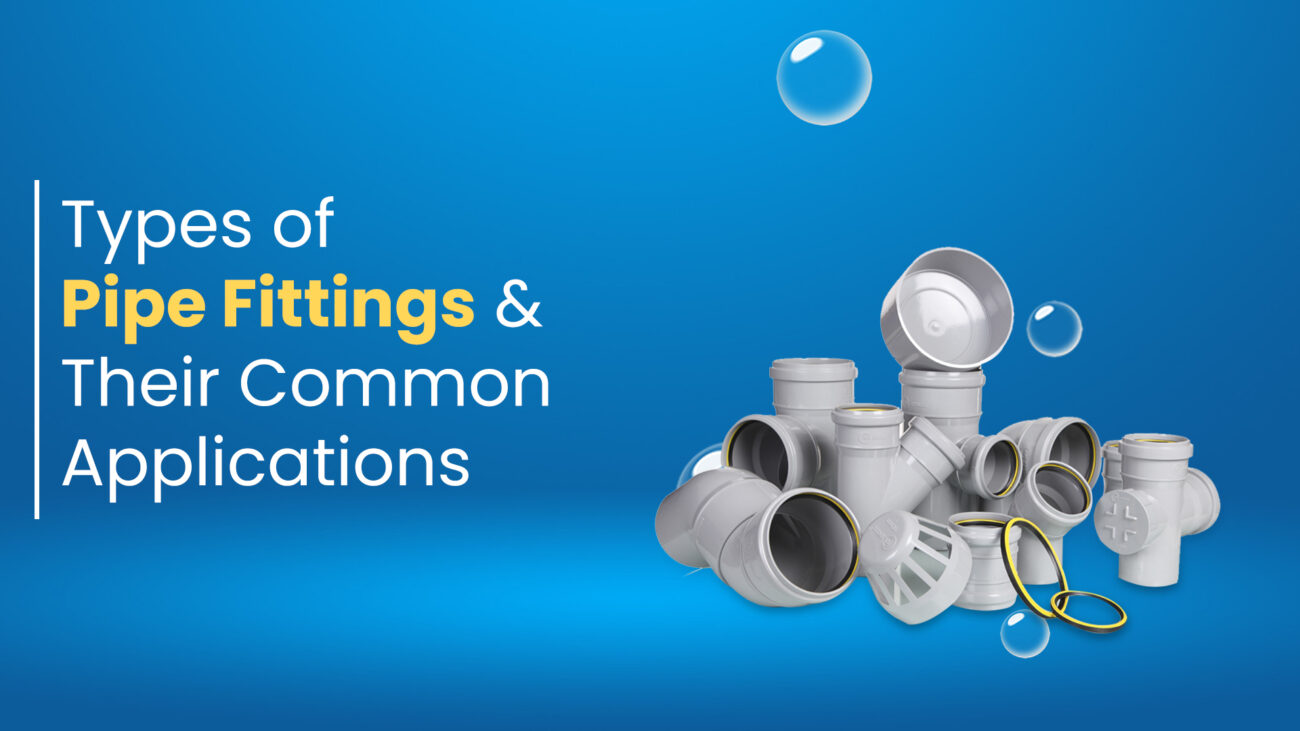
Pipe fittings are made for specific jobs. Each shape has a different purpose. Knowing the basic types shows you how pipes connect. They join together to form a complete network. You will see these common fittings in many systems.
- Elbows
These fittings change a pipe’s direction. They are usually 90 or 45 degrees. You find them wherever a pipe turns a corner. An example is a pipe going from a wall to a sink.
- Tees
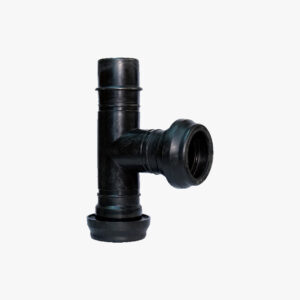
A tee fitting, shaped like the letter “T”, is used to combine or split a flow of water. It has one inlet and two outlets. A common example is under a sink, where a single water supply line is split into separate lines for the hot and cold faucet handles.
- Couplings
A coupling is a simple sleeve. Its job is to connect two pieces of pipe that are the same size in a straight line. If a pipe gets damaged, a coupling is used to join the two good ends together after the broken section is removed.
- Unions
Unions are similar to couplings but with a key advantage: they are designed to be taken apart easily. A union uses a nut that can be unscrewed. This is very useful for fixtures or appliances that may need future maintenance, as it allows for disconnection without cutting the pipe.
- Reducers
A reducer connects two pipes of different sizes. It is used to join a large pipe to a smaller one. This is needed when a main water line connects to a smaller pipe for a sink or toilet.
The choice of pipe fitting material is just as important as the type of fitting. A brass elbow is used for a hot water line, while a PVC elbow is correct for a drain. Reputable pipe fittings manufacturers produce all these shapes in various pipe material types to ensure there is a right part for every situation.
Good installation needs the right pipe fitting accessories. A threaded steel tee needs pipe dope. A PVC tee needs solvent cement. These pipe fitting accessories are required. They are not optional. They create a strong, leak-free connection.
Maintenance and Leak-Prevention Guide
A good plumbing system needs regular checks to stop leaks. The care it needs depends on your pipe fitting material. A simple routine prevents most problems. Start by looking at your pipes often. Check under sinks and behind toilets. Look near appliances like water heaters.
Watch for these warning signs:
- Water drops on a fitting.
- A small puddle on the floor.
- Strange colors or chalky stuff on metal.
- Wet spots on walls or ceilings near pipes.
Different pipe material types can show different problems. Metal fittings may develop rust or corrosion over time. Plastic fittings can crack if they are hit or frozen.
Many leaks start from bad installation. Using the correct pipe fitting accessories is key for a tight seal. A threaded connection needs the right tape or sealant. A plastic joint must be clean and glued correctly. Good pipe fittings manufacturers give instructions. Following them creates a lasting installation.
If you find a leak, first turn off the water. For a small leak at a thread, you can try tightening it or adding new sealant. For bigger problems, call a plumber. They know how to fix each pipe fitting material the right way.
Stopping leaks is easier than fixing them. Support pipes so they don’t pull on fittings. In cold weather, insulate pipes to stop freezing. Always use a fitting that matches your pipe fitting material and its job.
Conclusion
Choosing the right parts is key for a plumbing system that works well and lasts long. Your choice of pipe fitting material matters. It affects how the system handles heat and resists rust.
Know your pipe material types. Each one has a specific job. The goal is to pick the right part for the task. This is true for a home fix or a big factory job.
Good installation needs more than just fittings. You must use the correct pipe fitting accessories. This includes sealants and cements. They create strong, leak-proof connections. Good pipe fittings manufacturers provide quality products and clear instructions.
A good project needs three things:
- The right pipe fitting material.
The proper pipe fitting accessories.
Parts from trusted pipe fittings manufacturers.
Arihant Plast is a company based in India that specializes in plastic products. We create solutions for moving and storing water. Our products use different pipe material types. We sell pipes, water tanks, and all the necessary pipe fitting accessories. We provide everything you need to build a full system.
As one of the pipe fittings manufacturers, we make reliable parts. We ensure our pipe fitting material is right for its job. This includes handling water pressure and resisting corrosion.