

For years, Indian farmers have watered fields by flooding them. It is a simple method. But it wastes a lot of water. In many areas, water levels are dropping quickly. This is a big problem. It affects our food supply and farmer earnings.
We need a smarter way. Farming’s future relies on using each drop well. Modern technology has a clear solution. A sprinkler irrigation system changes how we use water.
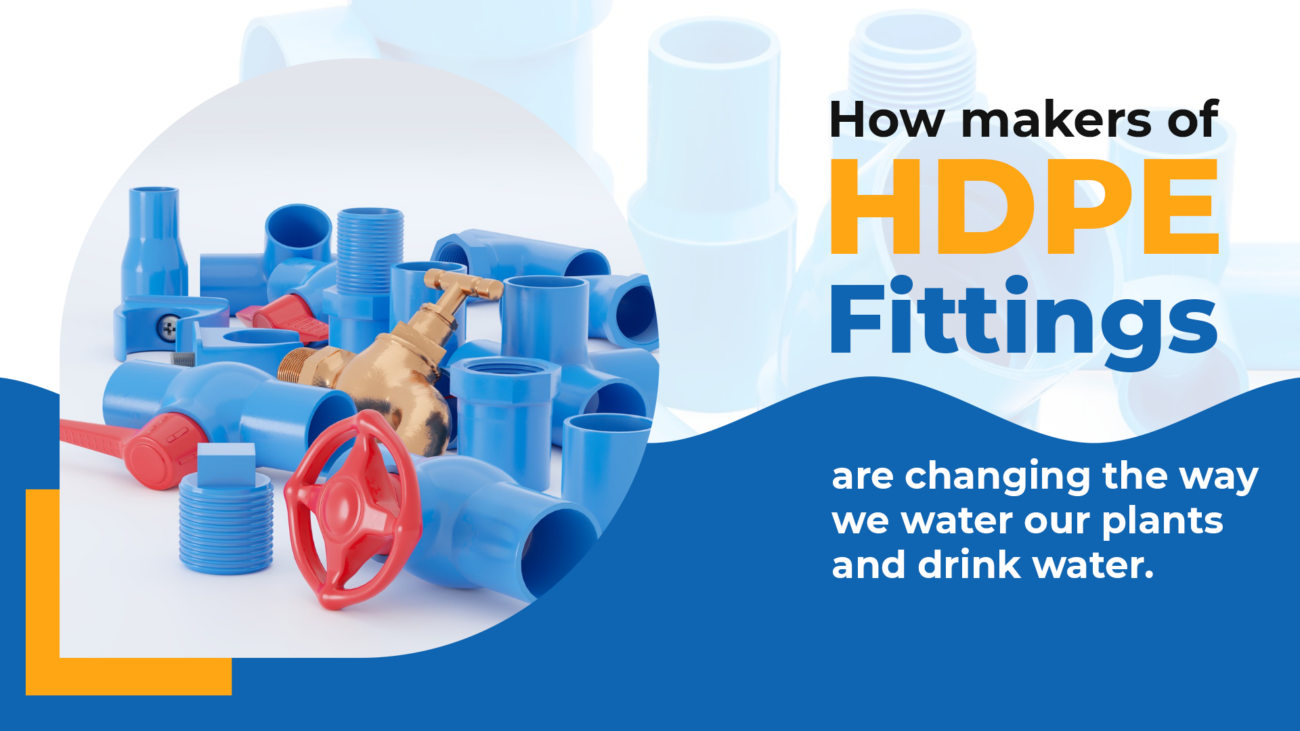
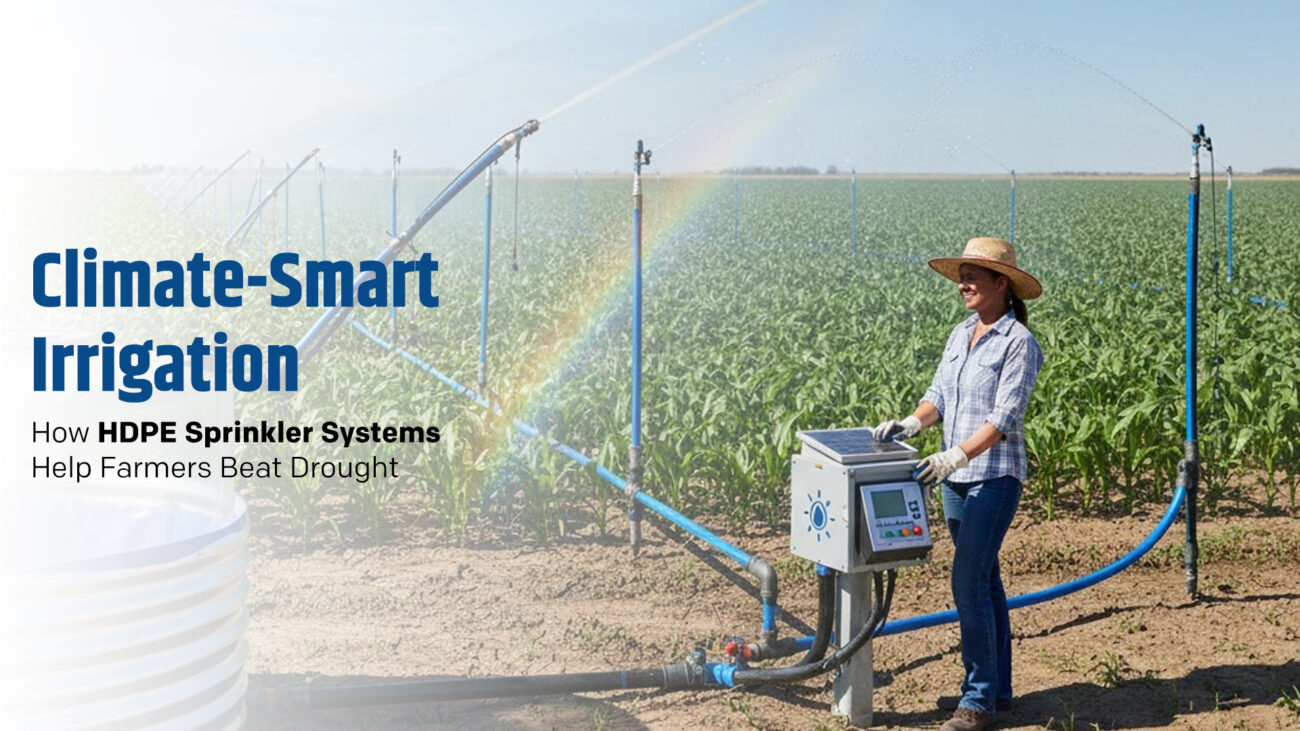
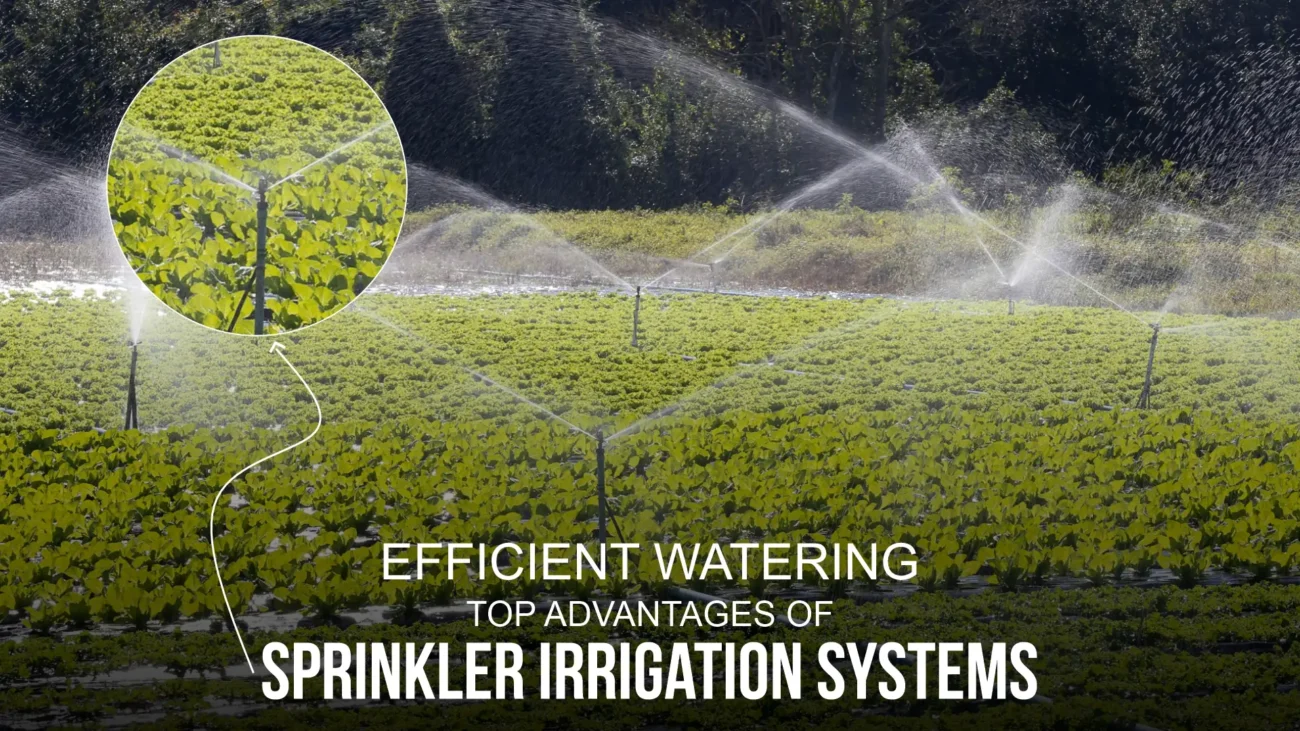
Flood irrigation soaks the land. A sprinkler system works differently. It sprays water slowly and evenly, like rain. This careful method is key to a modern irrigation system. It is a new way to manage water for farming. The system uses pumps, pipes, and sprinkler pipe fittings. All these parts work together to spread water efficiently.
Why Farmers Are Making the Shift: Benefits
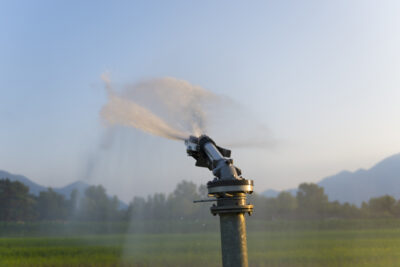
A modern irrigation system like this works differently than flood irrigation. It applies water in a controlled manner. This change in method creates several key improvements.
- It saves a lot of water. A sprinkler system often uses 30 to 50 percent less water than flood irrigation. This is very important in areas where wells are drying up.
- It can grow more crops. The water reaches every plant evenly. Each one gets the right amount. This even watering helps plants grow better. Farmers see yields rise by 15 to 20 percent for wheat, cotton, and vegetables.
- The system also saves time and work. Once you connect the sprinkler pipe fittings and set the timer, it runs on its own. The field gets watered automatically. The farmer doesn’t have to move pipes for hours. They don’t need to dig water channels. This saves their labor. It gives them time for other important jobs.
- These farm irrigation systems work on land that is uneven. Sloping or rolling fields are difficult to flood evenly. Sprinklers can cover these areas effectively, turning previously difficult land into productive space.
- The sprinkler system can also do fertigation. This means mixing fertilizer with the water. The fertilizer is applied directly through the system. Plants take in these nutrients more easily. This means you need less fertilizer overall. It saves money. It is also healthier for the soil.
The Investment Analysis: Cost vs. Output & ROI

A sprinkler system is a big purchase. Farmers look at three things: the price to set it up, the money to run it, and the profit it brings back. Looking at the costs and returns gives a clear picture.
The upfront cost depends on the system type and the crop. For a standard semi-permanent setup, the investment can range between ₹30,000 to ₹50,000 per acre. This includes the pump, mainlines, hdpe pipe fittings, and sprinkler heads. A portable system is less expensive, while a solid-set system for orchards may cost more.
This initial amount can be a barrier. However, government subsidies under schemes like PMKSY can cover 40-55% of this cost. This support is designed to make the technology accessible.
After installation, the operating costs change. There are two main factors:
- Electricity: Running the pump for a sprinkler system typically uses less power than pumping the massive volume of water needed for flood irrigation.
- Maintenance: Costs for parts like seals or individual sprinkler pipe fittings are generally low. Proper upkeep ensures the system lasts for years.
These costs must be compared against the outputs and savings.
The return on investment, or ROI, comes from several areas working together. First, there is the money saved. Farmers save on water bills, especially if they pay for electricity by the unit. They save on labor costs. They often save on fertilizer through fertigation.
Second, there is the money earned from increased yield. As noted earlier, a yield increase of 15-20% is common. For a high-value crop, this increase alone can be significant.
When these savings and extra earnings are calculated, the system often pays for itself quickly. The typical payback period for a subsidized modern irrigation system is between one to three crop seasons. After that, the continued savings and higher yields add directly to the farmer’s profit.
Why HDPE Pipes Are Becoming the Standard for Sprinkler Lines
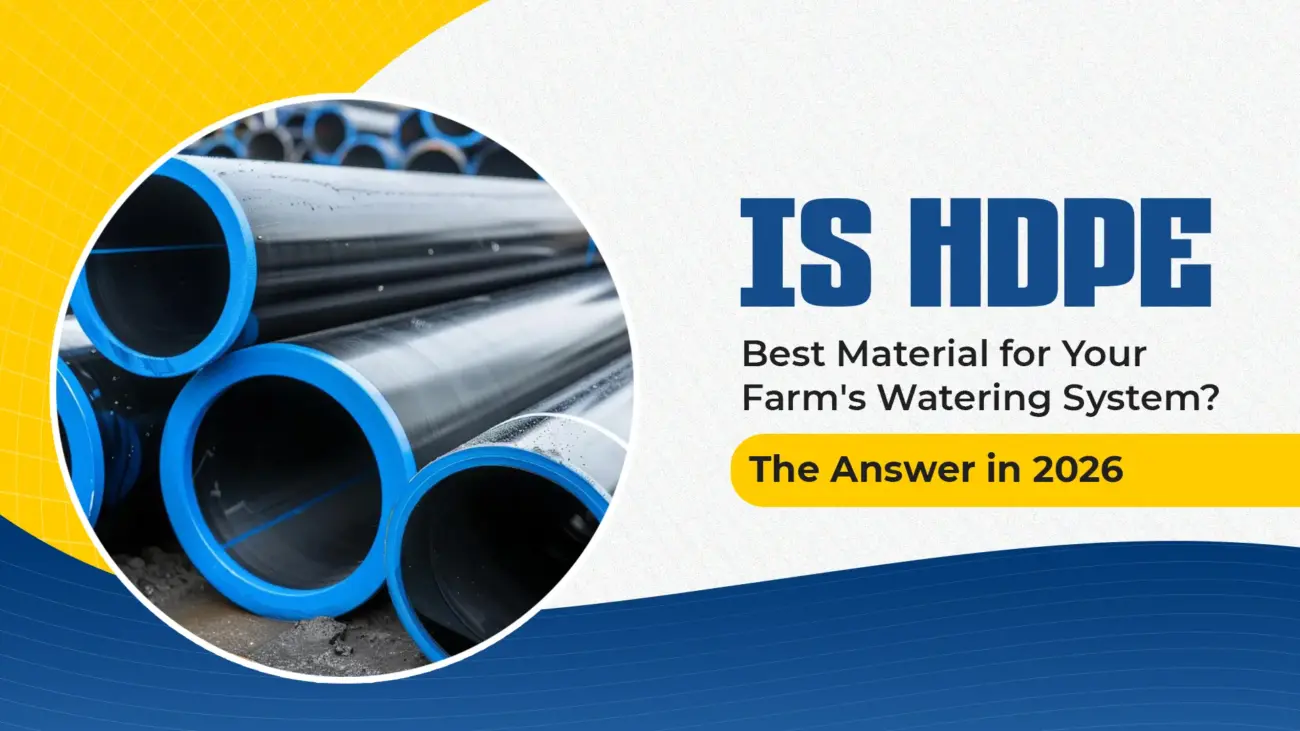
There are clear reasons for this shift. HDPE pipes offer practical advantages over older materials like metal or PVC.
- HDPE pipes are strong. They don’t rust from fertilizer or soil. Sunlight doesn’t damage them. They last over 50 years with little care.
- These pipes are light and bend easily. They are simple to move and set up. Workers can join long pieces fast. The pipes can bend a little if the ground moves. They won’t break.
- The pipes are joined with heat. The ends are heated and fused together. This makes a strong, sealed joint that won’t leak. This keeps water pressure steady in the irrigation system.
- The inside of the pipe is smooth. Water flows easily. Less friction means the pump uses less power. This saves on electricity over time.
Success on the Ground: Regional Examples from Water-Stressed States
Data and theory are one thing. Real results in farmers’ fields are another. The value of a modern irrigation system is proven in regions where water scarcity is a daily challenge.
- Rajasthan gets little rain. The wells are very deep. Farmers there grow wheat, gram, and cumin. Many now use sprinklers. This lets them plant on schedule, even if the monsoon is late. Farmers in Rajasthan report using far less water on each acre of land. The state’s agriculture department has also recorded improved crop survival rates in districts like Jhunjhunu and Sri Ganganagar, where adoption of sprinkler systems is growing.
- In Gujarat’s Saurashtra area, groundwater was running out fast. Farmers growing cotton and groundnut were some of the first to try sprinklers. The sprinkler system helped them. It let them decide exactly when to water. For groundnuts, this meant pods formed more evenly. For cotton, it improved the quality. Using the right sprinkler pipe fittings and movable systems made it work for fields of any size.
- Madhya Pradesh is another example. The land in the Malwa plateau is uneven. Flood irrigation didn’t work well there. For crops like soybean and wheat, uneven water meant lower yields. Putting in sprinkler systems fixed this. The system waters slopes evenly. This made harvests more reliable. Now, some farmers can even grow two crops in one year.
Government Schemes
A new irrigation system can be expensive. Government help makes it cheaper. This help allows more farmers to use this technology.
The main national plan is the Pradhan Mantri Krishi Sinchayee Yojana (PMKSY). Its motto is “Per Drop More Crop.” Under this, farmers get money back for installing a sprinkler system. The subsidy pays for 40% to 55% of the total cost.
Many states add extra money. States like Gujarat, Maharashtra, Karnataka, and Tamil Nadu are leading the way. These extra state subsidies lower the cost even more for the farmer.
The subsidy pays for the main parts of the system. It covers the pump, all the pipes, the sprinkler pipe fittings, and the sprinkler heads. The official rules list exactly what is covered.
To access this support, a farmer must apply through the proper channel. The process generally involves:
- Contacting the local agriculture department or a designated nodal agency.
- Submitting the required land and identity documents.
- Getting a technical approval for the proposed system layout.
- Purchasing the equipment from an approved vendor.
After installation, an officer verifies the work. The subsidy amount is then disbursed directly to the farmer’s bank account.
Looking Ahead
Farms in India are often small and spread out. Setting up a good system for these small plots needs smart design. One idea is for a group of farmers to share one system together.
New sprinkler systems will be more high-tech. The next step is to add digital tools.
Future systems will have sensors. These sensors check how wet the soil is. They check the weather. The information tells the pump and valves when to turn on. This means water is used only when the crop needs it. Every drop is saved.
Solar power is also important. Using solar panels to run the sprinkler system removes electricity bills. This is great for farms far from power lines.
These new ideas will make farming more exact and self-sufficient. Sprinklers will still be the base, but they will be smarter. They will use data and sun power.
The goal for 2026 is to use systems better. It’s not just about installing more of them. It’s about making sure each one works at its best. By fixing current problems and using smart technology, sprinkler systems will be key to strong and productive farms in India.