


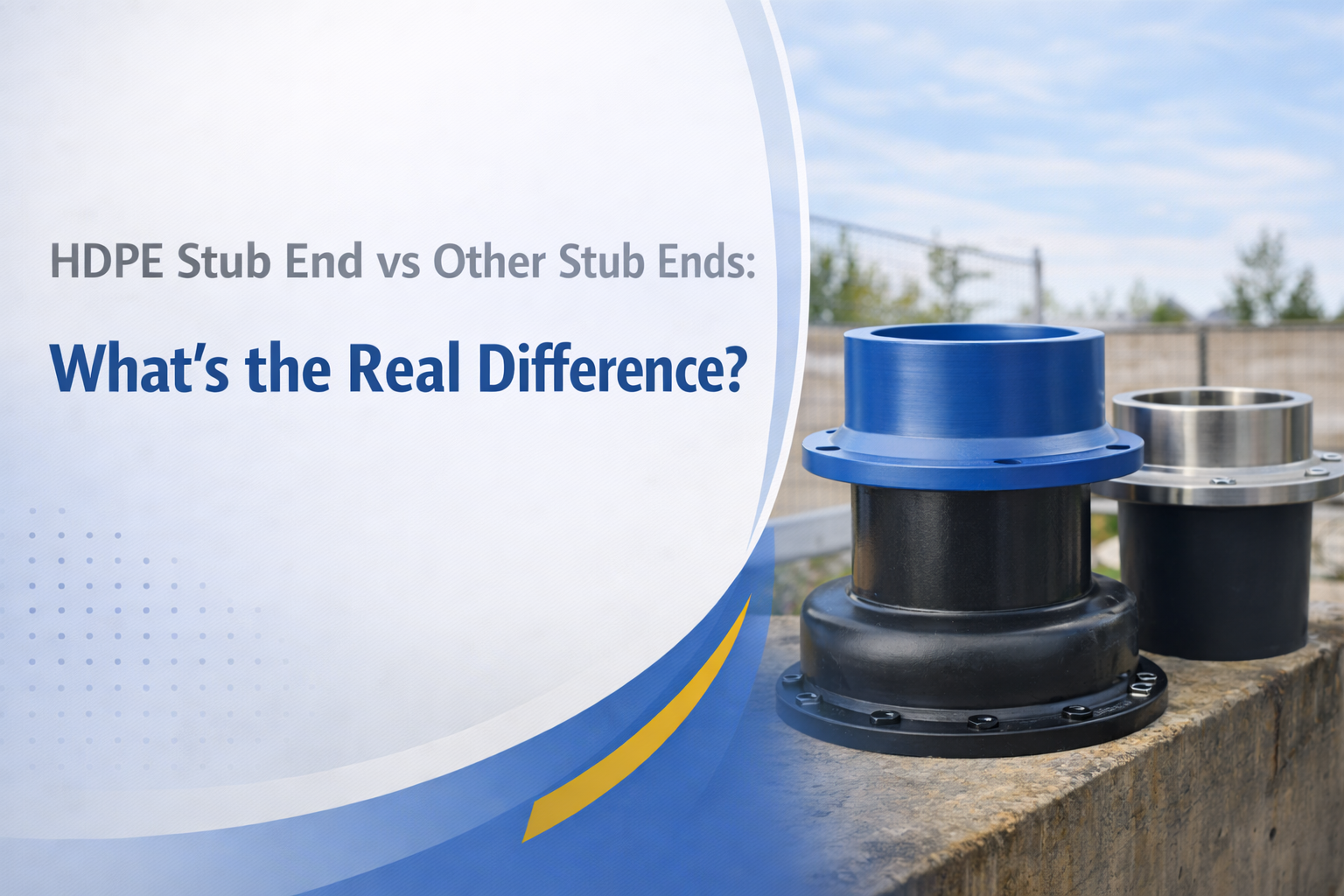
In modern piping systems, the smallest component often determines the success or failure of the entire network. Stub ends are one such overlooked part. If you’re selecting pipe fittings for industrial, agricultural, or municipal projects, understanding the differences between HDPE STUB END and other types of stub ends can help prevent leaks, downtime, and costly replacements.
This guide explains how HDPE stub ends compare with metal and plastic alternatives, why pipe fitting manufacturers increasingly prefer them, and how to choose the right option for your application.
What Is an HDPE Stub End?
An HDPE STUB END is a short pipe fitting made from High Density Polyethene, designed to be butt welded to an HDPE pipe and used with a backing flange. Together, they create a detachable joint that allows easy pipeline dismantling.
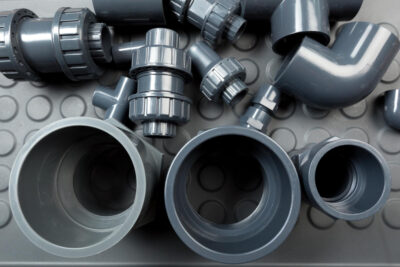
Image Source – Freepik
Key characteristics include:
- Lightweight yet strong construction
- Excellent chemical and corrosion resistance
- Long service life, often exceeding 50 years
Because of these advantages, HDPE stub ends have become a standard choice among pipe fittings suppliers worldwide.
What Are Stub Ends Used For in Pipe Fittings?
Stub ends are used where frequent dismantling, inspection, or maintenance is required. They are commonly paired with flanges to create flexible connections in pipe fitting systems.
- Pump connections
- Valve assemblies
- Water treatment plants
- Industrial pipelines
A reliable stub end ensures leak proof performance and smooth integration with other pipe fittings.
Types of Stub Ends Used in Plumbing Systems
HDPE Stub End
Used mainly in HDPE pipelines, these stub ends are flexible, corrosion resistant, and ideal for harsh environments.
Mild Steel (MS) Stub End
MS stub ends are strong but prone to rust and corrosion, especially in underground or wet conditions.
Stainless Steel Stub End
These offer good corrosion resistance but are expensive and not suitable for all chemicals.
PVC / CPVC Stub Ends
Primarily used in low-pressure systems, they are cost effective but lack durability under high stress.
HDPE Stub End vs Other Stub Ends: Key Differences
Here’s a quick comparison that helps buyers and engineers decide faster:
- Corrosion Resistance: HDPE stub ends outperform metal stub ends in aggressive environments.
- Weight: HDPE is significantly lighter, reducing installation effort and labour costs.
- Flexibility: HDPE absorbs ground movement better than rigid metal fittings.
- Cost Efficiency: While stainless steel is expensive, HDPE offers long term savings.
This is why many pipe fittings manufacturers now recommend HDPE for modern infrastructure projects.
Why Pipe Fittings Manufacturers Prefer HDPE Stub Ends
From a manufacturing and performance standpoint, HDPE stub ends tick all the right boxes. They are easier to produce consistently, comply with international standards, and align with sustainability goals.
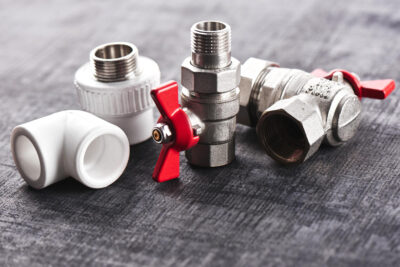
Image Source – Freepik
Manufacturers favour HDPE because:
- It reduces failure rates in pipe fitting systems
- It supports large diameter pipelines
- It works seamlessly with HDPE flanges and pipes
Leading pipe fittings suppliers often stock HDPE stub ends as a core product due to rising demand.
Applications Where HDPE Stub Ends Perform Best
HDPE stub ends are widely used in:
- Water supply and distribution networks
- Sewage and drainage systems
- Chemical processing plants
- Agricultural irrigation pipelines
Their ability to handle pressure, chemicals, and temperature variations makes them ideal for both urban and industrial applications.
How to Choose the Right Stub End for Your Project
Before selecting a stub end, consider:
- Type of pipeline material
- Operating pressure and temperature
- Environmental conditions
- Compatibility with other pipe fittings
For long term reliability, sourcing from trusted pipe fittings manufacturers ensures quality, compliance, and consistent performance.
FAQs
- What is the main advantage of an HDPE stub end?
An HDPE STUB END offers superior corrosion resistance, flexibility, and long service life compared to metal stub ends. - Can HDPE stub ends be used with metal flanges?
Yes, HDPE stub ends are designed to work with backing flanges, including metal flanges, when installed correctly.
Conclusion
Choosing the proper stub end is not just a technical decision; it’s a long term investment in your piping system’s reliability. Compared to traditional metal or plastic alternatives, the HDPE STUB END stands out for durability, flexibility, and cost efficiency. That’s why modern pipe fitting manufacturers and suppliers increasingly recommend HDPE solutions.
If you’re planning a new project or upgrading an existing pipeline, explore high quality HDPE stub ends from a trusted manufacturer to ensure long lasting performance.
Explore premium pipe fittings solutions from a reliable manufacturer today.